Social Reform
37 events, 1813 to 2021; 8 marked as turning points.
1813
Channar revolt over the upper cloth
Nadar women in southern Travancore, including today's Kanyakumari district, struggled for decades for the right to cover their upper bodies.
1867
Vallalar opens the Sathya Dharma Salai at Vadalur
At Vadalur, Ramalinga Swamigal opened a free kitchen for the needy of every caste and lit a stove that was never to be put out.
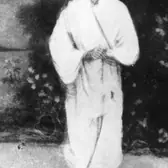
1879
Birth of E. V. Ramasamy (Periyar)
E. V. Ramasamy, later known as Periyar, founder of the Self-Respect Movement and the Dravidar Kazhagam, was born at Erode.
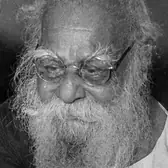
1886
Iyothee Thass declares Dalits are not Hindus
Anti-caste activist Iyothee Thass declared that the depressed classes were not Hindus, a stand he later carried into the Dravida Mahajana Sabha and the 1891 census.
1891
Rettamalai Srinivasan founds the Paraiyar Mahajana Sabha
Rettamalai Srinivasan set up the Paraiyar Mahajana Sabha, an early Dalit body, and launched the Tamil paper Paraiyan in 1893.

Iyothee Thass founds the Dravida Mahajana Sabha
Iyothee Thass founded the Dravida Mahajana Sabha and urged Dalits to record themselves in the census as casteless Dravidians rather than Hindus.
1893
Rettamalai Srinivasan launches the Paraiyan newspaper
Dalit leader Rettamalai Srinivasan started the Tamil paper Paraiyan in October 1893 to speak for the Paraiyar community.
1897
Nadars entered the Meenakshi Sundareswarar temple at Kamudi in 1897; the courts, and in 1908 the Privy Council, ruled against their right of entry.
1907
Iyothee Thass launches Oru Paisa Tamizhan
Iyothee Thass launched the Tamil weekly Oru Paisa Tamizhan, an anti-caste journal that later became The Tamilan.
1910
The Nadar Mahajana Sangam was formed in 1910 through the efforts of T. Ratnasamy Nadar to work for the uplift of the Nadar community.
1917
Women's Indian Association founded at Adyar
Margaret Cousins, Annie Besant, Dorothy Jinarajadasa and others founded the Women's Indian Association at Adyar to campaign for women's rights.
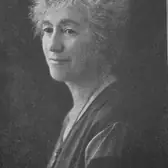
1921
Madras grants voting rights to women
The Madras Legislative Council resolved to extend the franchise to women, among the first provinces in British India to do so.
1922
Council adopts the term Adi Dravida
Acting on a resolution by M. C. Rajah, the Madras Legislative Council adopted Adi-Dravida officially in place of terms like Paraiya and Panchama.
1924
Cheranmadevi Gurukulam controversy
Separate dining for Brahmin and non-Brahmin students at a Congress-funded gurukulam at Cheranmadevi caused a major controversy.
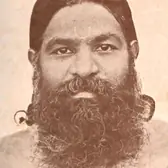
A satyagraha in Travancore demanded that people of oppressed castes be allowed to use the roads around the Vaikom temple; E. V. Ramasamy took part.
1925
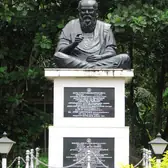
Periyar leaves Congress and starts the Self-Respect Movement
After his resolution on communal representation was not allowed at the Kanchipuram conference, E. V. Ramasamy left the Congress and began the Self-Respect Movement.
1926
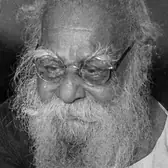
Muthulakshmi Reddy becomes first woman legislator in India
Doctor and reformer Muthulakshmi Reddy was nominated to the Madras Legislative Council, becoming the first woman legislator in British India.

1929
First Provincial Self-Respect Conference at Chengalpattu
The first provincial conference of the Self-Respect Movement at Chengalpattu passed resolutions against caste and for women's rights.
1931
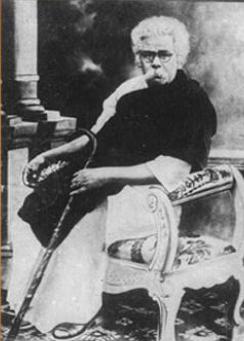
Muthulakshmi Reddy starts Avvai Home
Muthulakshmi Reddy founded the Avvai Home in Madras to shelter and educate orphaned and destitute girls.
1936
Travancore Temple Entry Proclamation
The Maharaja of Travancore opened state temples to all Hindus regardless of caste, including temples in present-day Kanyakumari district.
1939
Dalits enter Madurai Meenakshi Temple
A. Vaidyanatha Iyer led a group of Dalits and Nadars into the Meenakshi Amman Temple, Madurai, defying orthodox opposition.

1968
Self-Respect marriages given legal validity
The Hindu Marriage (Tamil Nadu Amendment) Act, 1967 became law, legalising marriages performed without priests or Vedic rituals.

1969
Sattanathan Backward Classes Commission
The first Backward Classes Commission of Tamil Nadu, headed by A. N. Sattanathan, recommended a separate Most Backward Class category.

1970
Order allowing people of all castes to become temple priests
A 1970 order of the Karunanidhi government opened priesthood in public temples to all castes; in 1972 the Supreme Court struck it down.
1971
Reservation raised to 49 percent
The DMK government raised the backward classes quota from 25 to 31 percent and the SC/ST quota from 16 to 18 percent.
1973
Women first recruited into the Tamil Nadu Police
The first batch of women police, a sub-inspector, a head constable and 20 constables, was recruited in Tamil Nadu in 1973.

Death of Periyar E. V. Ramasamy
Periyar E. V. Ramasamy, founder of the Self-Respect Movement and leader of the Dravidar Kazhagam, died in Vellore aged 94.
1979
Income ceiling introduced for backward class reservation
The MGR government introduced an annual income ceiling to exclude better-off families from backward class reservation.
1980
Income ceiling withdrawn, backward class quota raised to 50%
After electoral setbacks, the MGR government withdrew the income ceiling and raised the backward class quota from 31% to 50%.
1989
Separate 20% quota for Most Backward Classes
The DMK government split the 50% backward class quota into 30% for Backward Classes and 20% for Most Backward Classes and Denotified Communities.
Uthapuram caste violence and the 'untouchability wall'
After caste violence in Uthapuram near Madurai in 1989, caste Hindus built a wall separating the Dalit area of the village.
1990
Separate 1 percent reservation for Scheduled Tribes
The Karunanidhi government split the combined SC/ST quota and gave Scheduled Tribes a separate 1 percent reservation.
1992
All-women police stations set up
The Jayalalithaa government opened police stations run entirely by women to handle complaints from women, starting in Chennai.
1997
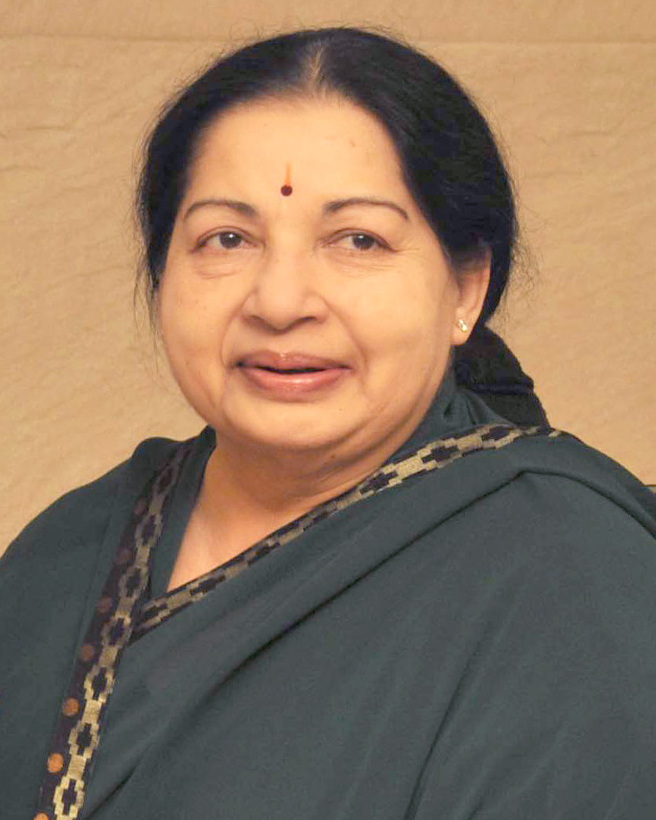
First Samathuvapuram equality village inaugurated
The first Periyar Ninaivu Samathuvapuram, a housing colony where families of different castes live side by side, opened near Madurai.
2007
Separate reservation for Backward Class Muslims and Christians
Under a 2007 Act, Backward Class Muslims and Christians received their own portion of the backward class quota.
2009
Internal reservation for Arunthathiyars
Tamil Nadu set aside 3 percent within the Scheduled Caste quota for the Arunthathiyar community.
2021
Priests of all castes appointed to state temples
The government appointed trained archakas from many castes, including non-Brahmins, to temples under the HR and CE department.