Civil Rights
21 events, 1844 to 2012; 3 marked as turning points.
1844
The Crescent, first Indian-owned newspaper in Madras
The Crescent, launched by Gazulu Lakshminarasu Chetty, was the Madras Presidency's first newspaper under Indian ownership.
1852
Madras Native Association founded
One of India's earliest Indian political bodies, the Madras Native Association, was set up by Gazulu Lakshminarasu Chetty.
1853
Madras Native Association petition read in the House of Lords
The Earl of Ellenborough read the Madras Native Association's catalogue of grievances in the House of Lords.
1914
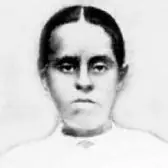
Death of the young satyagrahi Thillaiyadi Valliammai
Valliammai, a 16-year-old daughter of Tamil immigrants from Thillaiyadi, died after imprisonment in Gandhi's South African satyagraha.
1917
Women's Indian Association founded at Adyar
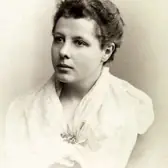
Margaret Cousins, Annie Besant, Dorothy Jinarajadasa and others founded the Women's Indian Association at Adyar to campaign for women's rights.
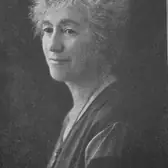
The Madras government interned Annie Besant at a hill station for her Home Rule activities, provoking protests across India.
1920
Police fired on Piramalai Kallar villagers at Perungamanallur near Madurai who resisted registration under the Criminal Tribes Act.
1921
Madras grants voting rights to women
The Madras Legislative Council resolved to extend the franchise to women, among the first provinces in British India to do so.
1924
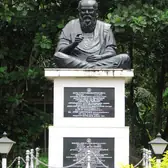
A satyagraha in Travancore demanded that people of oppressed castes be allowed to use the roads around the Vaikom temple; E. V. Ramasamy took part.
1927
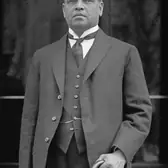
V. S. Srinivasa Sastri becomes India's Agent in South Africa
The Union of South Africa received its first Agent from India: V. S. Srinivasa Sastri, a Liberal leader from Madras.
1930
Rettamalai Srinivasan at the Round Table Conference
Dalit leader Rettamalai Srinivasan represented the depressed classes alongside B. R. Ambedkar at the Round Table Conferences in London.

1934
Abhiramam convention against the Criminal Tribes Act
Muthuramalinga Thevar organised a convention at Abhiramam demanding repeal of the Criminal Tribes Act.
1948
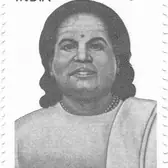
Ceylon Citizenship Act leaves Indian Tamils stateless
Passed soon after Ceylon became independent, a citizenship law shut out most Indian Tamil plantation workers, descendants of migrants from the Madras Presidency.
1974
Sirima-Gandhi Pact on stateless persons of Indian origin
India and Sri Lanka agreed on the future of the 150,000 persons of Indian origin whose status had been left open by the 1964 Sirima-Shastri Pact.
1975
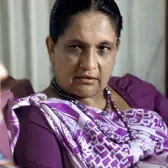
Indira Gandhi's government declared a national Emergency; the DMK government in Tamil Nadu opposed it.
1976
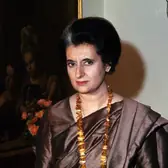
DMK workers jailed under MISA during the Emergency
After the DMK government's dismissal, many party workers including M. K. Stalin were jailed in Madras Central Prison under MISA.

1995
Tamil Nadu Muslim Munnetra Kazhagam founded
The Tamil Nadu Muslim Munnetra Kazhagam (TMMK) was formed as a mass organisation to defend the rights of Muslims in the state.
2002
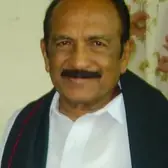
MDMK leader Vaiko was arrested under the Prevention of Terrorism Act for a speech supporting the LTTE and spent over a year and a half in jail.
Tamil Nadu anti-conversion law
The AIADMK government introduced a law against forcible religious conversion, which was withdrawn after the 2004 Lok Sabha election and formally repealed in 2006.
2008
Transgender Welfare Board, first in India
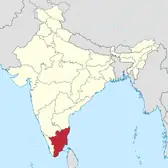
Tamil Nadu set up India's first welfare board for transgender persons under the Social Welfare department.
2012
Pension scheme for destitute transgender persons
Jayalalithaa announced a monthly pension of Rs. 1,000 for transgender persons above 40 living in poverty.