PoliticsNational and Dravidian movements

S. Srinivasa Iyengar presides over Gauhati Congress

· Guwahati

S. Srinivasa Iyengar presides over Gauhati Congress
AnonymousUnknown author, Public domain · Wikimedia Commons

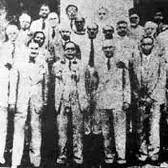
S. Srinivasa Iyengar, a Swarajist leader from Madras, was president of the Indian National Congress at its Gauhati session.

Once Advocate-General of Madras, S. Srinivasa Iyengar headed the Swarajya Party in the Madras Presidency. Although his party won the 1926 Madras council election, it declined to take office. That year he also presided over the Gauhati session of the Indian National Congress. Afterwards he set up the Independence of India League and led protests against the Simon Commission.

Related events

  1. 1926

    1. 4 Dec 1926 to 27 Oct 1930ChennaiPolitics

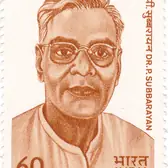
      P. Subbarayan forms independent ministry

      After the Swaraj Party won the 1926 election but declined office, P. Subbarayan formed a ministry of independents with nominated support.

  2. 1927

    1. Dec 1927ChennaiPolitics

      Madras session of the Indian National Congress

      The annual Congress session held in Madras under M. A. Ansari called for complete independence and a boycott of the Simon Commission.

    2. 1927Anna SalaiProtest

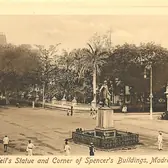
      Neill Statue Satyagraha

      Nationalists in Madras campaigned for the removal of the statue of Colonel James Neill from Mount Road.

  3. 1928

    1. Feb 1928ChennaiProtest

      Simon Commission boycott in Madras

      Protesters in Madras demonstrated against the Simon Commission, and T. Prakasam famously defied police during the protest.

  4. 1930

    1. 13 Apr 1930 to 28 Apr 1930VedaranyamProtest

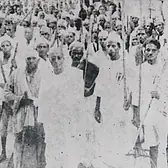
      Vedaranyam Salt Satyagraha

      C. Rajagopalachari led a march from Tiruchirappalli to Vedaranyam to break the salt law, the Tamil counterpart of the Dandi March.

  5. 1934

    1. Nov 1934ChennaiPolitics

      Swarajists largest party in 1934 Madras council election

      The Swaraj Party won the most seats in the last dyarchy-era Madras council election but refused office; the Raja of Bobbili stayed on.

Open in the timeline explorer