National and Dravidian movements
From 1916 the Justice Party, the Self-Respect Movement and the Indian National Congress competed to shape the future of the Madras Presidency. Reservation in public jobs, temple entry, women's rights and the place of Tamil all became public questions.
The era includes the anti-Hindi agitation of 1937 to 1940, the Salt Satyagraha at Vedaranyam, the Quit India movement, the founding of the Dravidar Kazhagam and the arrival of independence in August 1947.
169 events, 1916 to 1947; 17 marked as turning points.
1916
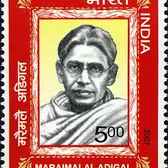
Maraimalai Adigal starts the Pure Tamil movement
Maraimalai Adigal pledged to use Tamil free of Sanskrit loanwords, starting the Tanittamil Iyakkam (Pure Tamil movement).
On 25 July 1916 M. A. Venkatarama Chettiar and Athi Krishna Chettiar started Karur Vysya Bank for the traders and farmers of the Karur area.
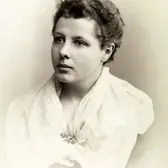
Annie Besant launches the Home Rule League at Adyar
Annie Besant founded the All India Home Rule League at Adyar, Madras, to campaign for self-government within the British Empire.
South Indian Liberal Federation (Justice Party) founded
Non-Brahmin leaders including C. Natesa Mudaliar, T. M. Nair and P. Theagaraya Chetty founded the South Indian Liberal Federation, later known as the Justice Party.
Non-Brahmin Manifesto published
The new non-Brahmin federation issued a manifesto criticising Brahmin dominance in public services and politics, drawing sharp criticism from The Hindu.
1917
Abraham Pandithar publishes Karunamirdha Sagaram
Abraham Pandithar published Karunamirdha Sagaram, a large study of the history and theory of Tamil music.
Keechaka Vadham, the first South Indian film
R. Nataraja Mudaliar's silent film Keechaka Vadham, the first film made in South India, was released in 1917 or 1918.
Women's Indian Association founded at Adyar
Margaret Cousins, Annie Besant, Dorothy Jinarajadasa and others founded the Women's Indian Association at Adyar to campaign for women's rights.
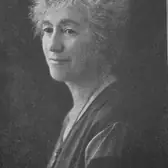
The Madras government interned Annie Besant at a hill station for her Home Rule activities, provoking protests across India.
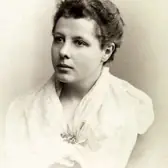
Madras Presidency Association formed
The Madras Presidency Association was set up by non-Brahmin Congressmen to press for non-Brahmin representation inside the national movement.
1918
Saraswathi Mahal Library opened to the public
The manuscript library of the Thanjavur Maratha rulers, enriched by Serfoji II, was opened to the public in 1918.
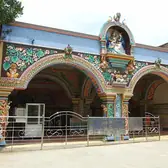
Union Mission Medical School for Women opens at Vellore
Ida Scudder began training women doctors at Vellore with the Union Mission Medical School for Women, opened in 1918.
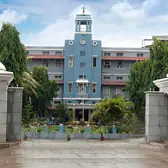
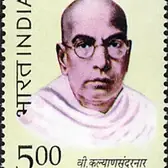
B. P. Wadia and Thiru. V. Kalyanasundaram founded the Madras Labour Union, among the first organised trade unions in India.
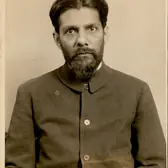
Influenza pandemic reaches Madras
The 1918 influenza pandemic reached Madras by the end of June 1918 and caused heavy mortality across the presidency.
1919
Periyar joins the Indian National Congress
E. V. Ramasamy of Erode, later known as Periyar, joined the Indian National Congress, beginning a political career that later led to the Self-Respect Movement.
Gandhi conceives the Rowlatt hartal in Madras
While staying with C. Rajagopalachari in Madras, Gandhi conceived a nationwide hartal against the Rowlatt Act, observed on 6 April 1919.

Government of India Act 1919 introduces dyarchy
Based on the Montagu-Chelmsford Report, the Act introduced dyarchy in the provinces, including Madras, transferring some subjects to elected ministers.
1920
Police fired on Piramalai Kallar villagers at Perungamanallur near Madurai who resisted registration under the Criminal Tribes Act.
Thiru. Vi. Ka. launches Navasakthi
Tamil scholar and labour leader Thiru. V. Kalyanasundaram started the Tamil weekly Navasakthi.
Madras Elementary Education Act
A Madras statute made elementary schooling compulsory for both boys and girls and raised spending on primary schools.
Madras Corporation starts a school meal scheme
At a corporation school in Thousand Lights, the Madras Corporation started a breakfast scheme that foreshadowed Tamil Nadu's noon meal programmes.
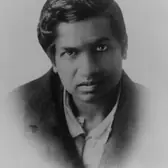
The self-taught mathematician Srinivasa Ramanujan died in Madras at the age of 32, a year after returning from Cambridge.
Justice Party wins first Madras Legislative Council election
The Justice Party won the first election held under the Montagu-Chelmsford dyarchy reforms in the Madras Presidency.
A. Subbarayalu Reddiar becomes first Premier of Madras
A. Subbarayalu Reddiar of the Justice Party took office as the first Chief Minister (Premier) of the Madras Presidency.
1921
Madras grants voting rights to women
The Madras Legislative Council resolved to extend the franchise to women, among the first provinces in British India to do so.
First Communal Government Order on reservation
The Justice Party government issued the first Communal Government Order, reserving government posts for different communities.
Thyagaraja memorial temple at Thiruvaiyaru consecrated
Bangalore Nagarathnamma built a temple over the samadhi of the composer Thyagaraja at Thiruvaiyaru, the site of the annual Aradhana festival.
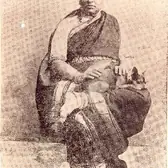
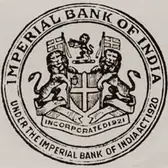
Bank of Madras merged into the Imperial Bank of India
The Bank of Madras, one of three Presidency banks, was amalgamated with the banks of Bengal and Bombay to form the Imperial Bank of India.
Nadar Bank founded at Thoothukudi
Founded at Thoothukudi, the Nadar Bank was later renamed Tamilnad Mercantile Bank.
Buckingham and Carnatic Mills strike
Workers of the Buckingham and Carnatic Mills in Madras went on a prolonged strike against Binny and Co. over wages and conditions.
Raja of Panagal becomes Premier
Panaganti Ramarayaningar, the Raja of Panagal, succeeded Subbarayalu Reddiar and led two Justice Party ministries until 1926.
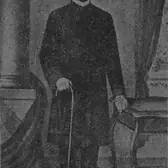
Gandhi adopts the loincloth at Madurai
During a tour of the Madras Presidency, Mahatma Gandhi gave up his full attire and began wearing only a loincloth at Madurai.
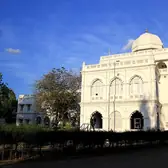
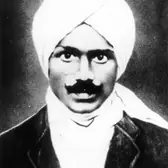
The poet and nationalist Subramania Bharati died in Madras, leaving a body of work central to modern Tamil literature.
1922
Madras State Aid to Industries Act
The Justice Party government passed a law to advance state loans for setting up industries in the Presidency.
Council adopts the term Adi Dravida
Acting on a resolution by M. C. Rajah, the Madras Legislative Council adopted Adi-Dravida officially in place of terms like Paraiya and Panchama.
1923
Justice Party wins second council election
The Justice Party retained power in the 1923 Madras Legislative Council election despite internal dissent.
A fresh Madras University Act enlarged the University of Madras's governing bodies and gave them a more representative character.
First May Day celebration in India
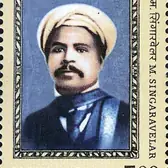
Singaravelar organised the first May Day celebration in India at Madras and launched the Labour Kisan Party of Hindustan.
Panagal ministry survives no-confidence motion
On the first day of the new council, a no-confidence motion against the Raja of Panagal's Justice ministry was defeated 65 to 44.
1924
Cheranmadevi Gurukulam controversy
Separate dining for Brahmin and non-Brahmin students at a Congress-funded gurukulam at Cheranmadevi caused a major controversy.
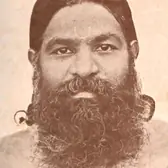
A satyagraha in Travancore demanded that people of oppressed castes be allowed to use the roads around the Vaikom temple; E. V. Ramasamy took part.
1925
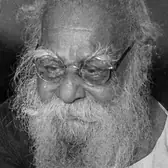
Periyar leaves Congress and starts the Self-Respect Movement
After his resolution on communal representation was not allowed at the Kanchipuram conference, E. V. Ramasamy left the Congress and began the Self-Respect Movement.
Madras Hindu Religious Endowments Act
A law passed under the Justice Party government placed Hindu temple endowments under the oversight of a statutory board.
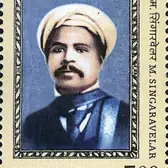
Singaravelar chairs first Communist conference at Kanpur
M. Singaravelu, a labour leader from Madras, presided over the founding convention of the Communist Party of India in Kanpur.
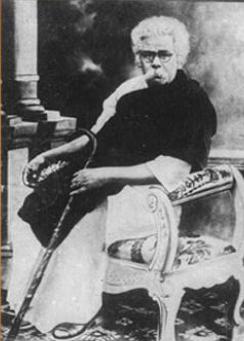
P. Theagaraya Chetty, a founder and leader of the Justice Party and of the non-Brahmin movement, died in Madras.
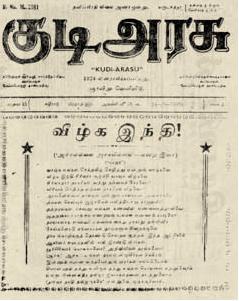
E. V. Ramasamy began publishing the Tamil weekly Kudi Arasu, which became the main voice of the Self-Respect Movement.
Loyola College founded in Madras
Loyola College in Madras, affiliated to the University of Madras, was established by the French Jesuit Francis Bertram.
1926
Muthulakshmi Reddy becomes first woman legislator in India
Doctor and reformer Muthulakshmi Reddy was nominated to the Madras Legislative Council, becoming the first woman legislator in British India.

Andhra University established by Madras Act
After a bill carried with Tamil votes, the Madras legislature set up Andhra University for the Presidency's Telugu districts.
SS Rajula begins the Madras to Penang and Singapore service
The steamer SS Rajula ran a fortnightly Straits Service from Madras to Penang, Port Klang and Singapore from 1926 to 1972.

Ananda Vikatan started life as a Tamil monthly, and S. S. Vasan acquired and relaunched it in 1928.

Lakshmi Vilas Bank founded at Karur
Lakshmi Vilas Bank was founded at Karur, one of several private banks started by Tamil business communities in the 1920s.
S. Srinivasa Iyengar presides over Gauhati Congress
S. Srinivasa Iyengar, a Swarajist leader from Madras, was president of the Indian National Congress at its Gauhati session.

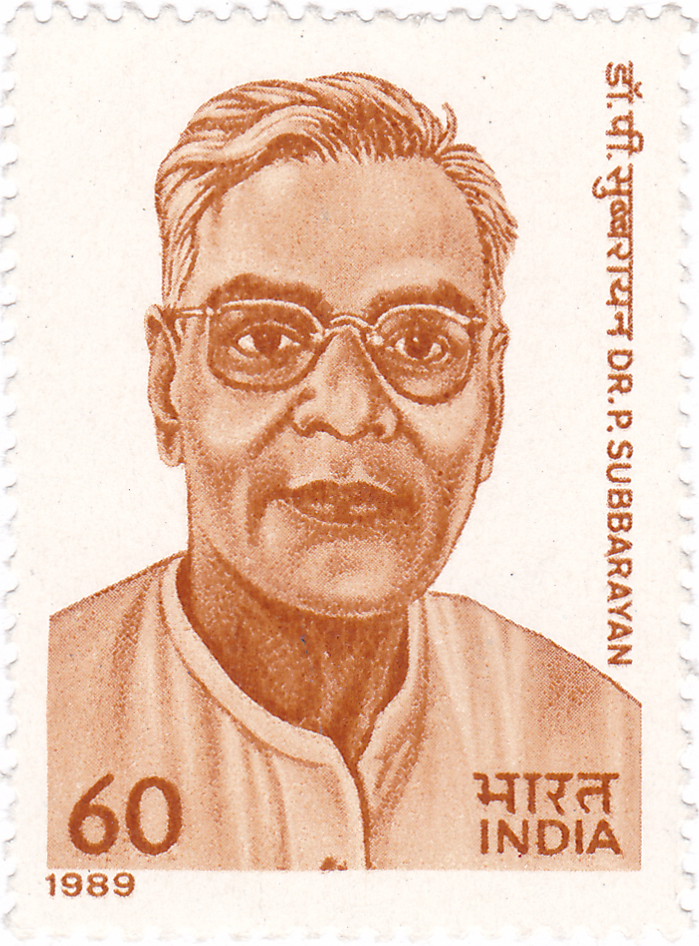
P. Subbarayan forms independent ministry
After the Swaraj Party won the 1926 election but declined office, P. Subbarayan formed a ministry of independents with nominated support.
1927
Nationalists in Madras campaigned for the removal of the statue of Colonel James Neill from Mount Road.

V. S. Srinivasa Sastri becomes India's Agent in South Africa
The Union of South Africa received its first Agent from India: V. S. Srinivasa Sastri, a Liberal leader from Madras.

Madras session of the Indian National Congress
The annual Congress session held in Madras under M. A. Ansari called for complete independence and a boycott of the Simon Commission.

1928
Golden Rock railway workshop opens at Tiruchirappalli
The South Indian Railway moved its central workshop from Nagapattinam to Golden Rock in Tiruchirappalli.

Simon Commission boycott in Madras
Protesters in Madras demonstrated against the Simon Commission, and T. Prakasam famously defied police during the protest.

Workers of the South Indian Railway struck against planned layoffs of over 3,100 employees, disrupting transport across South India.
The Music Academy was founded in Madras following the 1927 Congress session and became a leading institution for Carnatic music.

Panaganti Ramarayaningar, the Raja of Panagal and Justice Party First Minister from 1921 to 1926, died in Madras.

1929
Annamalai University was established at Chidambaram through the endowment of Annamalai Chettiar as a residential university.

Madras Service Commission set up
Created by a Madras law, the Madras Service Commission was India's first provincial public service commission and the predecessor of TNPSC.

First Provincial Self-Respect Conference at Chengalpattu
The first provincial conference of the Self-Respect Movement at Chengalpattu passed resolutions against caste and for women's rights.
1930
Madras aerodrome and Madras Flying Club begin operations
The Madras Flying Club came into existence and the Madras aerodrome, ancestor of Chennai airport, was commissioned.

C. V. Raman wins the Nobel Prize in Physics
C. V. Raman, a physicist born in Tiruchirappalli, was awarded the Nobel Prize in Physics for research on light scattering.

Muthulakshmi Reddy resigns over Gandhi's arrest
Muthulakshmi Reddy resigned from the Madras Legislative Council in protest against the arrest of Mahatma Gandhi during civil disobedience.
C. Rajagopalachari led a march from Tiruchirappalli to Vedaranyam to break the salt law, the Tamil counterpart of the Dandi March.

Justice Party returns to power under B. Munuswamy Naidu
The Justice Party won the 1930 election, boycotted by the Congress, and B. Munuswamy Naidu became Premier.

Rettamalai Srinivasan at the Round Table Conference
Dalit leader Rettamalai Srinivasan represented the depressed classes alongside B. R. Ambedkar at the Round Table Conferences in London.

1931
Muthulakshmi Reddy starts Avvai Home
Muthulakshmi Reddy founded the Avvai Home in Madras to shelter and educate orphaned and destitute girls.
Kudi Arasu editorial on Bhagat Singh's execution
Writing in Kudi Arasu, Periyar faulted Gandhi over Bhagat Singh's execution, a sign of the journal's increasingly leftist stance.
First electric suburban trains in Madras
The first electric suburban rail service in Madras began between Madras Beach and Tambaram.

Kalidas, the first Tamil talkie, released
Released in 1931, H. M. Reddy's Kalidas was the first Tamil film with sound and opened the era of Tamil talkies.

Periyar tours Europe and the Soviet Union
Periyar E. V. Ramasamy toured Europe and spent three months in the Soviet Union, an experience that shaped his later politics.

1932
M. C. Rajah and the Rajah-Moonje Pact
Dalit leader M. C. Rajah of Madras agreed with B. S. Moonje to reserved seats within joint electorates for the depressed classes.
Proposal to rename sadir as Bharatanatyam
E. Krishna Iyer moved a resolution at the Madras Music Academy to rename the dance form sadir as Bharatanatyam.
The Indian Express founded in Madras
P. Varadarajulu Naidu started the English daily The Indian Express in Madras; it was later taken over by Ramnath Goenka.
Freedom fighter Tiruppur Kumaran died of injuries from a police assault during a protest march, holding the national flag.

Pykara hydroelectric power station commissioned
The Pykara hydroelectric scheme in the Nilgiris began generating power, the first major hydroelectric project in the Madras Presidency.

Tata air mail service reaches Madras
Tata Air Lines' inaugural air mail run from Karachi through Bombay went on to Madras, the first scheduled flight to touch down there.

Madras and Southern Mahratta Railway strike
Railway workshop workers at Perambur began a strike against retrenchment that spread across the Madras and Southern Mahratta Railway.
Raja of Bobbili becomes Premier
The Raja of Bobbili, a zamindar, replaced B. Munuswamy Naidu as Premier and led the last Justice Party ministry before 1937.
1933
Manikkodi literary weekly launched
Launched in Madras, the Tamil literary weekly Manikkodi gave modern Tamil short fiction a platform.
Office of Mayor of Madras created
The post of Mayor of Madras was revived and M. A. Muthiah Chettiar became the first holder of the modern office.

Death of Annie Besant at Adyar
Annie Besant, Theosophical Society president and Home Rule leader, died at Adyar in Madras.

1934
The Mettur Dam across the Cauvery was completed, creating the Stanley Reservoir and expanding irrigation in the delta.

Abhiramam convention against the Criminal Tribes Act
Muthuramalinga Thevar organised a convention at Abhiramam demanding repeal of the Criminal Tribes Act.

First Test match in Madras at Chepauk
Chepauk in Madras hosted its first Test match, between India and England.

The Tamil daily Dinamani published its first edition on 11 September; it later became part of the Indian Express group.
Swarajists largest party in 1934 Madras council election
The Swaraj Party won the most seats in the last dyarchy-era Madras council election but refused office; the Raja of Bobbili stayed on.
First Ranji Trophy match played at Chepauk
The opening match of the first Ranji Trophy, India's national first-class cricket championship, was played at Chepauk in Madras.
1935
Modern Theatres studio founded at Salem
T. R. Sundaram started Modern Theatres in Salem, a studio that went on to make more than 150 films.
Tamil translation of 'Why I am an Atheist' banned
Bhagat Singh's 'Why I am an Atheist' in Tamil was banned by the Madras government, which also arrested the translator and the publisher.
Rukmini Devi's first public Bharatanatyam performance
At the Theosophical Society's Diamond Jubilee convention, Rukmini Devi Arundale danced Bharatanatyam in public for the first time.

Central Studios founded in Coimbatore
Coimbatore industrialists including B. Rangaswamy Naidu and Swamikannu Vincent set up Central Studios for South Indian film production.
Viduthalai began as a Justice Party bi-weekly and became a daily under Periyar in 1937.
1936
University of Madras completes the Tamil Lexicon
The final volume of the University of Madras Tamil Lexicon was published, completing the largest Tamil dictionary of its time.
Vedanthangal declared a bird sanctuary
Vedanthangal near Madurantakam was officially declared a wildlife sanctuary, the oldest in India.

Kalakshetra founded by Rukmini Devi Arundale
Rukmini Devi Arundale founded Kalakshetra at Adyar, Madras, an academy for Bharatanatyam and the arts.
Sathi Leelavathi released, M. G. Ramachandran's debut
Ellis R. Dungan's Sathi Leelavathi was released, marking the film debuts of M. G. Ramachandran and other future stars.
P. T. Rajan becomes First Minister
For a few months, while the Raja of Bobbili was on leave, Justice Party leader P. T. Rajan was First Minister of the Madras Presidency.

Travancore Temple Entry Proclamation
The Maharaja of Travancore opened state temples to all Hindus regardless of caste, including temples in present-day Kanyakumari district.
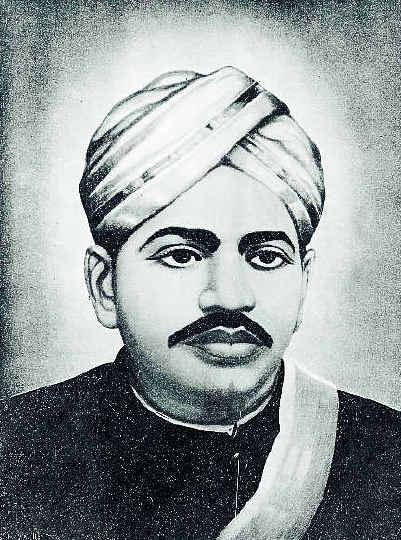
Death of V. O. Chidambaram Pillai
Nationalist pioneer V. O. Chidambaram Pillai, who had started the Swadeshi Steam Navigation Company, died in Thoothukudi.
1937
Prohibition introduced in Salem district
The Rajaji ministry introduced prohibition of liquor in Salem district, the first such experiment in the Presidency.
Chintamani runs for a year in a single theatre
Starring M. K. Thyagaraja Bhagavathar, Chintamani was the first Tamil film to stay a full year in one theatre.

G. D. Naidu builds India's first indigenous electric motor
Coimbatore inventor G. D. Naidu, working with D. Balasundaram, developed India's first indigenous electric motor.
Madras Christian College moves to Tambaram
After a century in the city centre, Madras Christian College moved to a large new campus at Tambaram.

Congress wins 1937 Madras Presidency election
The Indian National Congress won a large majority in the first Madras Legislative Assembly election under provincial autonomy, routing the Justice Party.
Muthuramalinga Thevar defeats the Raja of Ramnad
As the Congress candidate, Muthuramalinga Thevar beat the Raja of Ramnad in Ramanathapuram in the 1937 election.
M. Ct. M. Chidambaram Chettiar founded Indian Overseas Bank to serve overseas trade, opening at Karaikudi, Madras and Rangoon.

K. V. Reddi Naidu heads interim ministry
When the Congress hesitated to take office after winning the 1937 election, the Governor installed an interim ministry under K. V. Reddi Naidu.

C. Rajagopalachari forms first Congress ministry
C. Rajagopalachari became Premier of Madras at the head of the first Congress government in the Presidency.

Compulsory Hindi order and first anti-Hindi agitation
The Rajaji government's move to make Hindi compulsory in schools triggered a large anti-Hindi agitation led by Periyar, the Justice Party and Tamil scholars.
1938
Madras Agriculturists Relief Act eases peasant debt
A law to reduce the debts of indebted farmers in the Madras Presidency was brought in by the Rajagopalachari ministry.
Sevasadanam released, M. S. Subbulakshmi's film debut
K. Subramanyam's reformist film Sevasadanam was released, marking the screen debut of M. S. Subbulakshmi.

Tamilar Padai march from Tiruchi to Madras
Known as the Tamilar Padai, anti-Hindi protesters marched from Tiruchirappalli to Madras, addressing meetings in towns and villages en route.
Thevar jailed during Pasumalai mill strike
Muthuramalinga Thevar was jailed for seven months while leading a strike at the Mahalakshmi Mills in Pasumalai near Madurai.
Tamil Nadu Women's Conference backs anti-Hindi agitation
To display women's backing for the protests against compulsory Hindi, a Tamil Nadu Women's Conference met in Madras.
Tambaram World Missionary Conference
Madras Christian College at Tambaram hosted the International Missionary Council's world conference, a landmark in the ecumenical movement.
Periyar jailed and elected Justice Party president
E. V. Ramasamy was imprisoned for his role in the anti-Hindi agitation and was elected president of the Justice Party while in jail.
1939
S. Satyamurti becomes Mayor of Madras
Congress leader S. Satyamurti served as Mayor of Madras and pressed for the Poondi reservoir to improve the city's water supply.
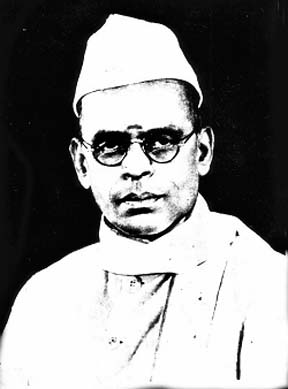
Madras Temple Entry Authorization and Indemnity Act
A law passed by the Rajagopalachari ministry lifted the bars on Dalits and Shanars entering Hindu temples across the Presidency.
Deaths of Natarajan and Thalamuthu in custody
Anti-Hindi protesters L. Natarajan and Thalamuthu died after being jailed, and were claimed as the first martyrs of the anti-Hindi movement.
Thyaga Bhoomi released and banned
Thyaga Bhoomi, K. Subramanyam's nationalist film adapted from a Kalki story, was banned by the British administration after release.
Dalits enter Madurai Meenakshi Temple
A. Vaidyanatha Iyer led a group of Dalits and Nadars into the Meenakshi Amman Temple, Madurai, defying orthodox opposition.

Subhas Chandra Bose received in Madurai
After launching the Forward Bloc, Subhas Chandra Bose visited Madurai, where Muthuramalinga Thevar organised his reception.

Congress ministry resigns over the Second World War
The Rajagopalachari ministry resigned in protest against the Viceroy declaring India at war without consultation, and Governor's rule followed.
Periyar raises 'Dravida Nadu for Dravidians'
Periyar swapped the slogan 'Tamil Nadu for Tamils' for 'Dravida Nadu for Dravidians', setting the Justice Party on a separatist course.

1940
K. Kamaraj becomes TNCC president
K. Kamaraj was elected president of the Tamil Nadu Congress Committee, beginning his rise as the leading Congress organiser in the region.
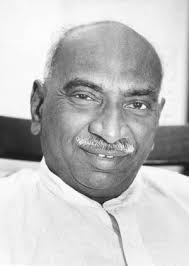
S. S. Vasan founds Gemini Studios
S. S. Vasan acquired a studio in Madras and established Gemini Studios, which became one of India's major film studios.

Mudumalai Wildlife Sanctuary established
About 60 square km of forest in the Nilgiris district was set aside as the Mudumalai Wildlife Sanctuary.

Compulsory Hindi order withdrawn
The Governor of Madras, Lord Erskine, withdrew the order making Hindi compulsory in schools, ending the first anti-Hindi agitation.
1941
Writer R. Krishnamurthy (Kalki) and T. Sadasivam launched the Tamil weekly Kalki, which serialised popular historical novels.
Kamaraj elected Virudhunagar municipal chairman while in jail
While imprisoned for opposing war contributions, K. Kamaraj was elected chairman of the Virudhunagar municipality.
1942
Rajagopalachari resigns from Congress over Pakistan resolution
C. Rajagopalachari left the Congress after his proposals to negotiate with the Muslim League were rejected, and opposed Quit India.
Christian Medical College Vellore begins MBBS course
Ida Scudder's medical school at Vellore became a university-affiliated medical college and began offering the MBBS degree.

Standard Fireworks founded at Sivakasi
N. R. K. Rajarathnam founded Standard Fireworks at Sivakasi, first making matches and later fireworks.

N. Sivaraj becomes first president of the Scheduled Castes Federation
At Nagpur, Madras Dalit leader N. Sivaraj was elected first president of the new All-India Scheduled Castes Federation founded with Ambedkar.

Quit India Movement in the Tamil districts
Congress leaders in the Tamil region were arrested as the Quit India Movement began, followed by strikes, sabotage and police firing.

Karunanidhi starts Murasoli at Tiruvarur
An 18-year-old M. Karunanidhi started Murasoli at Tiruvarur as handwritten notices; it later became the DMK's newspaper.

Daily Thanthi founded at Madurai
S. P. Adithanar founded the Tamil daily Dina Thanthi in Madurai; it became the largest-circulating Tamil newspaper.
1943
Tamil Isai Movement and Tamil Isai Sangam
The Tamil Isai Sangam was founded in Madras to promote the singing of Tamil compositions in Carnatic concerts dominated by Telugu and Sanskrit songs.
Congress leader S. Satyamurti, a former Mayor of Madras and mentor of K. Kamaraj, died in Madras.
Sivakavi, a Pakshiraja Films production made at Central Studios in Coimbatore with M. K. Thyagaraja Bhagavathar, reached cinemas.
Lakshmi Swaminathan leads Rani of Jhansi Regiment
Madras-born doctor Lakshmi Swaminathan was appointed to lead the women's Rani of Jhansi Regiment of Subhas Chandra Bose's Indian National Army.

Six days of continuous northeast monsoon rain caused the Cooum and Adyar rivers to overflow, flooding slums across Madras.
1944
Alagappa College of Technology founded
Funded by Alagappa Chettiar, the University of Madras set up the Alagappa College of Technology for courses such as chemical engineering.
Rajagopalachari's C. R. formula
C. Rajagopalachari's proposal to resolve the Congress and Muslim League deadlock became the basis of the 1944 Gandhi and Jinnah talks.
Kalki begins Sivagamiyin Sapatham
Kalki Krishnamurthy began serialising Sivagamiyin Sapatham, a historical novel set in the Pallava period.

Justice Party becomes Dravidar Kazhagam at Salem
Meeting at Salem, the Justice Party, now led by Periyar, took the name Dravidar Kazhagam and gave up contesting elections.

Haridas, a Tamil film with M. K. Thyagaraja Bhagavathar in the lead, played at one Madras theatre across three Diwalis in a row, a record that stood for years.
Film stars M. K. Thyagaraja Bhagavathar and N. S. Krishnan were convicted in the murder of journalist C. N. Lakshmikanthan, later freed on appeal.

1945
A. V. Meiyappan founded AVM Productions, first working from Karaikudi during the war before moving to Madras.
Meera released with M. S. Subbulakshmi
Meera, directed by Ellis R. Dungan with M. S. Subbulakshmi in the lead and a script by Kalki, reached screens; a Hindi version came later.
1946
1946 Madras Presidency election
The Congress won a majority in the 1946 Madras Legislative Assembly election, ending the period of Governor's rule.
Gandhi presides over Hindi Prachar Sabha silver jubilee
Gandhi came to Madras to preside at the Dakshina Bharat Hindi Prachar Sabha's silver jubilee.
Muhammad Ismail leads the Muslim League opposition in Madras
M. Muhammad Ismail, later called Quaid-e-Millath, became Leader of the Opposition in the Madras Legislative Assembly.

India Cements was started by S. N. N. Sankaralinga Iyer, whose first factory was at Thalaiyuthu near Tirunelveli.
Bharathidasan wins the Golden Parrot Prize
For his play Amaithi-Oomai, the Tamil poet Bharathidasan received the Golden Parrot Prize.

A. Ramaswami Mudaliar becomes first ECOSOC president
Arcot Ramaswami Mudaliar, a Justice Party leader from Madras, was the first President of the UN Economic and Social Council.

Royal Indian Navy mutiny reaches Madras
A revolt by Indian ratings of the Royal Indian Navy that began in Bombay spread to ships and shore establishments including Madras.
T. Prakasam becomes Premier of Madras
T. Prakasam was elected Congress legislature leader and formed a ministry, defeating the candidate backed by Rajagopalachari.

Madras members join the Constituent Assembly
With a sizeable contingent from the Madras Province, the Constituent Assembly of India held its first sitting in New Delhi.

1947
O. P. Ramaswamy Reddiyar becomes Premier
O. P. Ramaswamy Reddiyar, backed by Kamaraj, became Premier of Madras and led the province through independence.

Periyar calls Independence Day a day of mourning
Periyar called for 15 August 1947 to be kept as a day of mourning, a stand Annadurai rejected, deepening the rift between them.
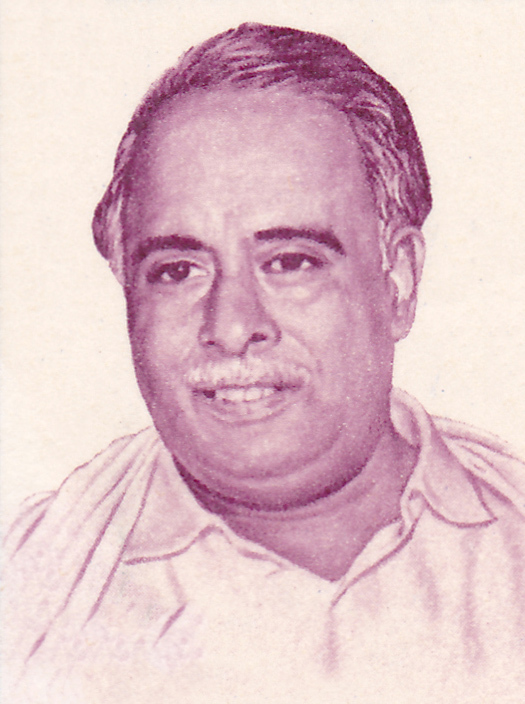
Defence Services Staff College re-established at Wellington
After Partition the Indian staff college was re-established at Wellington in the Nilgiris, replacing the Staff College at Quetta.

India becomes independent; Madras Province
India gained independence and the Madras Presidency became Madras Province of the Dominion of India; Periyar called it a day of mourning.
