PoliticsNational and Dravidian movements

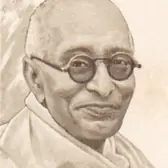
K. Kamaraj becomes TNCC president

· Chennai
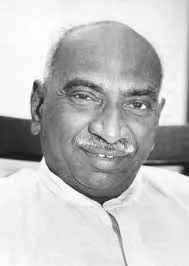
K. Kamaraj becomes TNCC president
Unknown authorUnknown author, CC BY-SA 4.0 · Wikimedia Commons

K. Kamaraj was elected president of the Tamil Nadu Congress Committee, beginning his rise as the leading Congress organiser in the region.

K. Kamaraj, a Congress worker from Virudhunagar and a protege of S. Satyamurti, was elected president of the Tamil Nadu Provincial Congress Committee in 1940, with Satyamurti as general secretary. He held the post for many years and built a strong grassroots organisation. He was imprisoned for about three years for his role in the Quit India Movement of 1942. He later became Chief Minister of Madras State in 1954.
Related events

  1. 1939

    1. 20 May 1939ChennaiCinema

      Thyaga Bhoomi released and banned

      Thyaga Bhoomi, K. Subramanyam's nationalist film adapted from a Kalki story, was banned by the British administration after release.

    2. Oct 1939ChennaiPolitics

      Congress ministry resigns over the Second World War

      The Rajagopalachari ministry resigned in protest against the Viceroy declaring India at war without consultation, and Governor's rule followed.

  2. 1942

    1. Aug 1942 to 1943ChennaiProtest

      Quit India Movement in the Tamil districts

      Congress leaders in the Tamil region were arrested as the Quit India Movement began, followed by strikes, sabotage and police firing.

    2. 1942ChennaiPolitics

      Rajagopalachari resigns from Congress over Pakistan resolution

      C. Rajagopalachari left the Congress after his proposals to negotiate with the Muslim League were rejected, and opposed Quit India.

  3. 1943

    1. 28 Mar 1943ChennaiPolitics

      Death of S. Satyamurti

      Congress leader S. Satyamurti, a former Mayor of Madras and mentor of K. Kamaraj, died in Madras.

  4. 1944

    1. 1944ChennaiPolitics

      Rajagopalachari's C. R. formula

      C. Rajagopalachari's proposal to resolve the Congress and Muslim League deadlock became the basis of the 1944 Gandhi and Jinnah talks.

Open in the timeline explorer