Chennai
386 events, 1801 to 2026; 37 marked as turning points.
1801
Carnatic Treaty transfers the Carnatic to the Company
Nawab Azim-ud-Daula signed the Carnatic Treaty, handing the civil and military administration of the Carnatic to the East India Company.

1802
Permanent Settlement extended to Madras Presidency
The zamindari Permanent Settlement, first applied in Bengal, was introduced in parts of the Madras Presidency.
1812
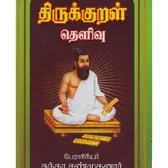
Tirukkural appears in print for the first time
The first known printed edition of the Tirukkural was produced in 1812, together with the Naladiyar.
1814
John Binny establishes Binny & Co in Madras
Merchant John Binny, in Madras since 1797, established the firm of Binny & Co, one of the city's oldest mercantile houses.
Church Missionary Society begins work in Madras
After the Charter Act of 1813 allowed missionaries into India, the Church Missionary Society placed its first missionaries at Madras in 1814.
1816
Ellis publishes the Dravidian Proof
Francis Whyte Ellis argued that the South Indian languages form a family separate from Sanskrit.
1817
Madras Literary Society founded
In 1817 a learned society and library, the Madras Literary Society, was established in Madras.
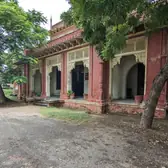
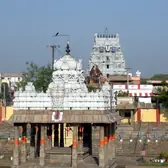
Madras Regulation VII of 1817 on temple endowments
The Madras government passed Regulation VII of 1817, the first explicit Company legislation on the management of temple endowments.
1820
Ryotwari system adopted in Madras Presidency
Under Thomas Munro the ryotwari land revenue system, dealing directly with cultivators, became the main settlement in Madras.
1826
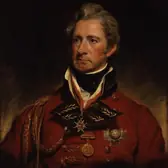
Board of Public Instruction set up in Madras
The Madras government founded a Board of Public Instruction in 1826 to oversee education in the Presidency.
1831
The first census of the city of Madras was taken in 1831.
Madras Pioneers renamed the Madras Sappers and Miners
The Madras Pioneers, raised in 1780, were renamed the Corps of Madras Sappers and Miners in 1831.
1832
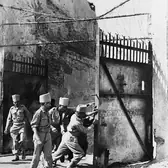
Founded for Europeans only, the Madras Club is among the oldest gentlemen's clubs in India.
1835
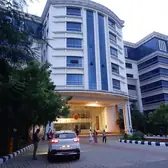
Madras Medical College founded
A medical school was opened in Madras that grew into Madras Medical College, one of the oldest in Asia.
1838
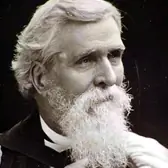
Robert Caldwell arrives in Madras
Robert Caldwell, who would go on to write the Comparative Grammar of the Dravidian languages, reached Madras as a missionary.
1840
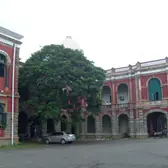
Madras Preparatory School, forerunner of Presidency College
A government preparatory school opened in Madras in 1840; it grew into the High School and eventually Presidency College.
1842
Pachaiyappa's Central Institution opens
Funded by the bequest of merchant Pachaiyappa Mudaliar, Pachaiyappa's Central Institution opened in Madras.
1843
The Bank of Madras, one of the three Presidency banks, came into being through the merger of several banks in Madras.

1844
The Crescent, first Indian-owned newspaper in Madras
The Crescent, launched by Gazulu Lakshminarasu Chetty, was the Madras Presidency's first newspaper under Indian ownership.
1845
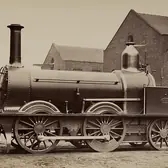
The Madras Railway was established to build the first main line railways of South India.
1852
Madras Native Association founded
One of India's earliest Indian political bodies, the Madras Native Association, was set up by Gazulu Lakshminarasu Chetty.
1854
Madras Torture Commission appointed
A commission was appointed to investigate the torture of ryots by revenue officials in the Madras Presidency.
1858
University of Madras holds its first B.A. examination
The University of Madras, founded in 1857, conducted its first Bachelor of Arts examination; C. W. Damodaram Pillai was among its first candidates.

Crown takes over the government of India
Following the Government of India Act 1858, a proclamation by Queen Victoria declared direct Crown rule over British India, the Madras Presidency included.
1861
Indian Councils Act restores Madras legislative powers
Through the Indian Councils Act 1861, the Madras Presidency regained law-making powers and gained an advisory Madras Legislative Council.
1862
Indian Penal Code comes into force
Drafted under Macaulay and enacted in 1860, the Indian Penal Code took effect throughout British India, the Madras Presidency included.

1864
Spencer's begins trading in Madras
Spencer's started as a small business in Madras in 1864 and grew into what was then the largest department store in Asia.
1868
Damodaram Pillai prints Tolkappiyam with Senavaraiyar's commentary
C. W. Damodaram Pillai published the Sollathikaram of the Tolkappiyam with the medieval commentary of Senavaraiyar, an early printed edition of the grammar.
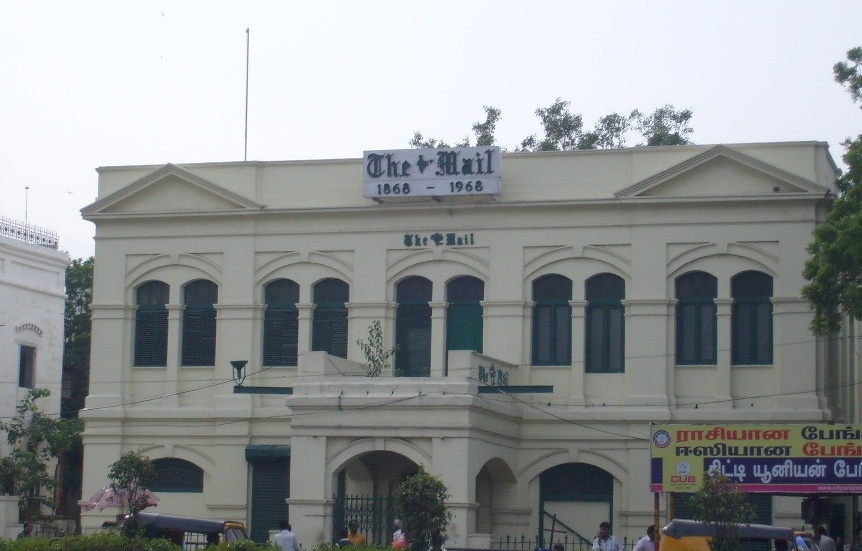
The Madras Mail newspaper founded
Charles Lawson and Henry Cornish started The Madras Mail, an English-language evening daily that was published until 1981.
1869
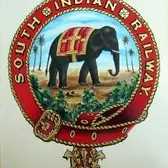
Carnatic Railway Company founded
Founded in 1869, the Carnatic Railway Company combined with the Great Southern of India Railway in 1874 to create the South Indian Railway.
1875
Madras Observatory begins daily weather reports
The Madras Observatory started issuing daily weather reports, an early step in organised weather forecasting in south India.
Governor Lord Hobart dies in office
Lord Hobart, Governor of Madras since May 1872, died unexpectedly of typhoid at Government House, Madras.
1876
Brought on by drought, a severe famine hit the Madras Presidency and other regions of India, killing millions.
1879
First Tamil novel, Prathapa Mudaliar Charithram, published
Samuel Vedanayagam Pillai published Prathapa Mudaliar Charithram, regarded as the first novel in the Tamil language.
1882
Swadesamitran Tamil newspaper launched
G. Subramania Iyer started Swadesamitran, the first Tamil newspaper owned and run by Indians, in Madras.
1884
The Madras Mahajana Sabha, an early political association of educated Indians in the Madras Presidency, was formed in 1884.
1885
C. W. Damodaram Pillai publishes Tolkappiyam commentary
C. W. Damodaram Pillai published the Porulatikaram of the Tolkappiyam with Nachinarkiniyar's commentary, part of his revival of ancient Tamil texts.
1886
G. U. Pope publishes his English Tirukkural
Missionary scholar G. U. Pope published 'The Sacred Kurral', an English translation of the Tirukkural with grammar, notes and lexicon.
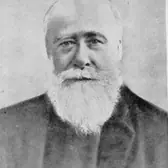
Iyothee Thass declares Dalits are not Hindus
Anti-caste activist Iyothee Thass declared that the depressed classes were not Hindus, a stand he later carried into the Dravida Mahajana Sabha and the 1891 census.
1887
Indian National Congress holds first Madras session
The third session of the Indian National Congress met in Madras under the presidency of Badruddin Tyabji.

1889
The Hindu becomes a daily newspaper
The Hindu, founded as a weekly in 1878 by the 'Triplicane Six', began publishing daily in 1889.
1891
Rettamalai Srinivasan founds the Paraiyar Mahajana Sabha
Rettamalai Srinivasan set up the Paraiyar Mahajana Sabha, an early Dalit body, and launched the Tamil paper Paraiyan in 1893.

Suguna Vilasa Sabha theatre company founded
Pammal Sambandha Mudaliar founded the Suguna Vilasa Sabha in Madras to revive and reform Tamil drama.
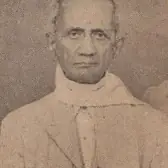
1893
Rettamalai Srinivasan launches the Paraiyan newspaper
Dalit leader Rettamalai Srinivasan started the Tamil paper Paraiyan in October 1893 to speak for the Paraiyar community.
1894
Congress session in Madras presided by Alfred Webb
In December 1894 Madras hosted the tenth Indian National Congress session, presided over by Alfred Webb, an Irish nationalist MP.

1895
Electric trams begin in Madras
The Madras Electric Tramways began service, the first electric tram system in India.
Brahmavadin journal launched in Madras
Brahmavadin, a journal of Vedanta, was launched by Alasinga Perumal and fellow Madras followers of Swami Vivekananda.
1896
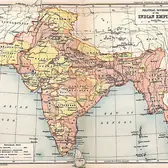
Famine of 1896-1897 reaches the Madras Presidency
A famine that began in Bundelkhand in 1896 spread across India, including parts of the Madras Presidency, where grain exports continued.
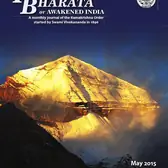
Prabuddha Bharata journal founded in Madras
Started in Madras in July 1896 on Swami Vivekananda's encouragement, Prabuddha Bharata was an English-language journal of the Ramakrishna movement.
1898
Iyothee Thass founds the Sakya Buddhist Society
After embracing Buddhism in Ceylon, Iyothee Thass founded the Sakya Buddhist Society in Madras, launching a Tamil Buddhist revival among Dalits.
Congress session in Madras presided by Ananda Mohan Bose
The fourteenth session of the Indian National Congress met in Madras in December 1898 under Ananda Mohan Bose.

1903
Madras Veterinary College established
Housed at first in a modest building called Doblin Hall, the Madras Veterinary College opened its doors on 1 October 1903.
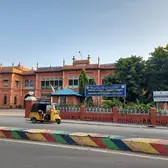
Congress session in Madras presided by Lalmohan Ghosh
The nineteenth Congress session met in Madras in December 1903; president Lalmohan Ghosh called for compulsory primary education.
1905
Kasturi Ranga Iyengar acquires The Hindu
S. Kasturi Ranga Iyengar bought The Hindu in 1905; it has remained with his family since.

1906
The failure of the Madras banking firm Arbuthnot & Co caused the worst financial crisis in the city's history and fuelled support for Indian-owned banks.
1907
Iyothee Thass launches Oru Paisa Tamizhan
Iyothee Thass launched the Tamil weekly Oru Paisa Tamizhan, an anti-caste journal that later became The Tamilan.
Inspired by the Swadeshi movement, the Indian-owned Indian Bank opened in Madras following the failure of Arbuthnot & Co.
1908
Congress session in Madras after the Surat split
A year after the Congress split at Surat, the moderate-led Congress met in Madras in December 1908 under Rash Behari Ghosh.

1909
The Indian Councils Act 1909 introduced elections to the legislative councils, including Madras, and admitted Indians to the Madras executive council.
1910
The Nadar Mahajana Sangam was formed in 1910 through the efforts of T. Ratnasamy Nadar to work for the uplift of the Nadar community.
1912
R. Venkaiah opens the Gaiety cinema in Madras
Film pioneer Raghupathi Venkaiah Naidu built the Gaiety in 1912, one of the first permanent cinema theatres in Madras.
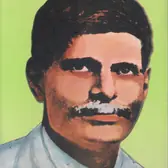
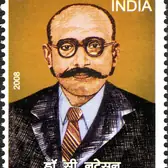
Madras Dravidian Association formed
The Madras United League, founded by C. Natesa Mudaliar in 1912, was renamed the Madras Dravidian Association, an early non-Brahmin political body.
1913
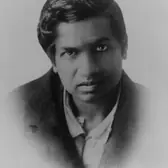
Ramanujan writes to G. H. Hardy
Srinivasa Ramanujan, a clerk at the Madras Port Trust, began corresponding with G. H. Hardy, who arranged for him to travel to Cambridge in 1914.
Work begins on the University of Madras Tamil Lexicon
In January 1913 the University of Madras began work on the Tamil Lexicon, the most comprehensive Tamil dictionary, published in 1924-1939.
1914
Congress session in Madras presided by Bhupendra Nath Bose
The Indian National Congress held its 1914 annual session in Madras under Bhupendra Nath Bose, months after the First World War began.
1916
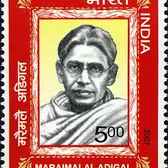
Maraimalai Adigal starts the Pure Tamil movement
Maraimalai Adigal pledged to use Tamil free of Sanskrit loanwords, starting the Tanittamil Iyakkam (Pure Tamil movement).
Non-Brahmin Manifesto published
The new non-Brahmin federation issued a manifesto criticising Brahmin dominance in public services and politics, drawing sharp criticism from The Hindu.
1917
Keechaka Vadham, the first South Indian film
R. Nataraja Mudaliar's silent film Keechaka Vadham, the first film made in South India, was released in 1917 or 1918.
Madras Presidency Association formed
The Madras Presidency Association was set up by non-Brahmin Congressmen to press for non-Brahmin representation inside the national movement.
1918
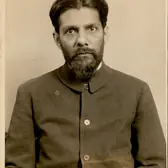
B. P. Wadia and Thiru. V. Kalyanasundaram founded the Madras Labour Union, among the first organised trade unions in India.
Influenza pandemic reaches Madras
The 1918 influenza pandemic reached Madras by the end of June 1918 and caused heavy mortality across the presidency.
1919
Gandhi conceives the Rowlatt hartal in Madras
While staying with C. Rajagopalachari in Madras, Gandhi conceived a nationwide hartal against the Rowlatt Act, observed on 6 April 1919.

Government of India Act 1919 introduces dyarchy
Based on the Montagu-Chelmsford Report, the Act introduced dyarchy in the provinces, including Madras, transferring some subjects to elected ministers.
1920
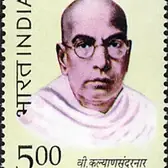
Thiru. Vi. Ka. launches Navasakthi
Tamil scholar and labour leader Thiru. V. Kalyanasundaram started the Tamil weekly Navasakthi.
Madras Elementary Education Act
A Madras statute made elementary schooling compulsory for both boys and girls and raised spending on primary schools.
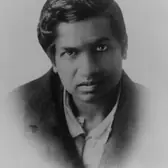
The self-taught mathematician Srinivasa Ramanujan died in Madras at the age of 32, a year after returning from Cambridge.
Justice Party wins first Madras Legislative Council election
The Justice Party won the first election held under the Montagu-Chelmsford dyarchy reforms in the Madras Presidency.
A. Subbarayalu Reddiar becomes first Premier of Madras
A. Subbarayalu Reddiar of the Justice Party took office as the first Chief Minister (Premier) of the Madras Presidency.
1921
Madras grants voting rights to women
The Madras Legislative Council resolved to extend the franchise to women, among the first provinces in British India to do so.
First Communal Government Order on reservation
The Justice Party government issued the first Communal Government Order, reserving government posts for different communities.
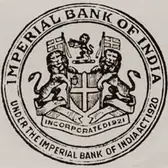
Bank of Madras merged into the Imperial Bank of India
The Bank of Madras, one of three Presidency banks, was amalgamated with the banks of Bengal and Bombay to form the Imperial Bank of India.
Buckingham and Carnatic Mills strike
Workers of the Buckingham and Carnatic Mills in Madras went on a prolonged strike against Binny and Co. over wages and conditions.
Raja of Panagal becomes Premier
Panaganti Ramarayaningar, the Raja of Panagal, succeeded Subbarayalu Reddiar and led two Justice Party ministries until 1926.
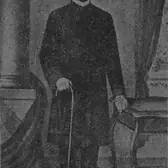
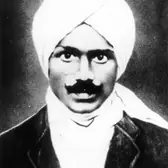
The poet and nationalist Subramania Bharati died in Madras, leaving a body of work central to modern Tamil literature.
1922
Madras State Aid to Industries Act
The Justice Party government passed a law to advance state loans for setting up industries in the Presidency.
Council adopts the term Adi Dravida
Acting on a resolution by M. C. Rajah, the Madras Legislative Council adopted Adi-Dravida officially in place of terms like Paraiya and Panchama.
1923
Justice Party wins second council election
The Justice Party retained power in the 1923 Madras Legislative Council election despite internal dissent.
1925
Madras Hindu Religious Endowments Act
A law passed under the Justice Party government placed Hindu temple endowments under the oversight of a statutory board.
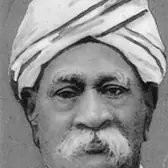
P. Theagaraya Chetty, a founder and leader of the Justice Party and of the non-Brahmin movement, died in Madras.
Loyola College founded in Madras
Loyola College in Madras, affiliated to the University of Madras, was established by the French Jesuit Francis Bertram.
1926
Muthulakshmi Reddy becomes first woman legislator in India
Doctor and reformer Muthulakshmi Reddy was nominated to the Madras Legislative Council, becoming the first woman legislator in British India.
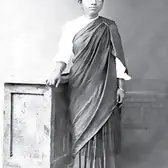
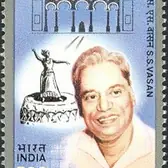
Ananda Vikatan started life as a Tamil monthly, and S. S. Vasan acquired and relaunched it in 1928.
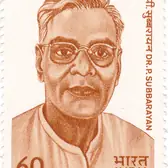
P. Subbarayan forms independent ministry
After the Swaraj Party won the 1926 election but declined office, P. Subbarayan formed a ministry of independents with nominated support.
1927
Madras session of the Indian National Congress
The annual Congress session held in Madras under M. A. Ansari called for complete independence and a boycott of the Simon Commission.
1928
Simon Commission boycott in Madras
Protesters in Madras demonstrated against the Simon Commission, and T. Prakasam famously defied police during the protest.
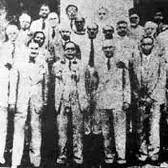
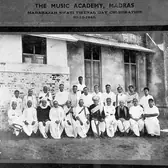
The Music Academy was founded in Madras following the 1927 Congress session and became a leading institution for Carnatic music.
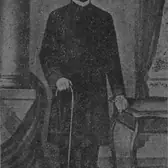
Panaganti Ramarayaningar, the Raja of Panagal and Justice Party First Minister from 1921 to 1926, died in Madras.
1929
Madras Service Commission set up
Created by a Madras law, the Madras Service Commission was India's first provincial public service commission and the predecessor of TNPSC.
1930
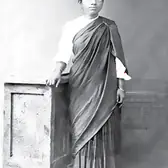
Muthulakshmi Reddy resigns over Gandhi's arrest
Muthulakshmi Reddy resigned from the Madras Legislative Council in protest against the arrest of Mahatma Gandhi during civil disobedience.
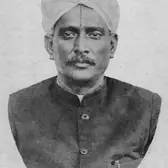
Justice Party returns to power under B. Munuswamy Naidu
The Justice Party won the 1930 election, boycotted by the Congress, and B. Munuswamy Naidu became Premier.
1931
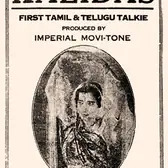
Kalidas, the first Tamil talkie, released
Released in 1931, H. M. Reddy's Kalidas was the first Tamil film with sound and opened the era of Tamil talkies.
1932
M. C. Rajah and the Rajah-Moonje Pact
Dalit leader M. C. Rajah of Madras agreed with B. S. Moonje to reserved seats within joint electorates for the depressed classes.
Proposal to rename sadir as Bharatanatyam
E. Krishna Iyer moved a resolution at the Madras Music Academy to rename the dance form sadir as Bharatanatyam.
The Indian Express founded in Madras
P. Varadarajulu Naidu started the English daily The Indian Express in Madras; it was later taken over by Ramnath Goenka.
Raja of Bobbili becomes Premier
The Raja of Bobbili, a zamindar, replaced B. Munuswamy Naidu as Premier and led the last Justice Party ministry before 1937.
1933
Manikkodi literary weekly launched
Launched in Madras, the Tamil literary weekly Manikkodi gave modern Tamil short fiction a platform.
1934
The Tamil daily Dinamani published its first edition on 11 September; it later became part of the Indian Express group.
Swarajists largest party in 1934 Madras council election
The Swaraj Party won the most seats in the last dyarchy-era Madras council election but refused office; the Raja of Bobbili stayed on.
1935
Viduthalai began as a Justice Party bi-weekly and became a daily under Periyar in 1937.
1936
University of Madras completes the Tamil Lexicon
The final volume of the University of Madras Tamil Lexicon was published, completing the largest Tamil dictionary of its time.
Sathi Leelavathi released, M. G. Ramachandran's debut
Ellis R. Dungan's Sathi Leelavathi was released, marking the film debuts of M. G. Ramachandran and other future stars.
1937
Chintamani runs for a year in a single theatre
Starring M. K. Thyagaraja Bhagavathar, Chintamani was the first Tamil film to stay a full year in one theatre.
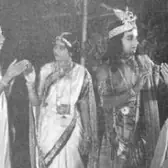
Congress wins 1937 Madras Presidency election
The Indian National Congress won a large majority in the first Madras Legislative Assembly election under provincial autonomy, routing the Justice Party.
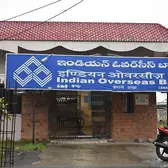
M. Ct. M. Chidambaram Chettiar founded Indian Overseas Bank to serve overseas trade, opening at Karaikudi, Madras and Rangoon.
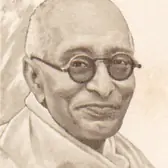
C. Rajagopalachari forms first Congress ministry
C. Rajagopalachari became Premier of Madras at the head of the first Congress government in the Presidency.
Compulsory Hindi order and first anti-Hindi agitation
The Rajaji government's move to make Hindi compulsory in schools triggered a large anti-Hindi agitation led by Periyar, the Justice Party and Tamil scholars.
1938
Madras Agriculturists Relief Act eases peasant debt
A law to reduce the debts of indebted farmers in the Madras Presidency was brought in by the Rajagopalachari ministry.
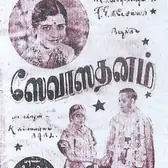
Sevasadanam released, M. S. Subbulakshmi's film debut
K. Subramanyam's reformist film Sevasadanam was released, marking the screen debut of M. S. Subbulakshmi.
Tamil Nadu Women's Conference backs anti-Hindi agitation
To display women's backing for the protests against compulsory Hindi, a Tamil Nadu Women's Conference met in Madras.
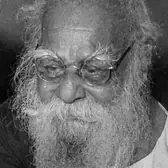
Periyar jailed and elected Justice Party president
E. V. Ramasamy was imprisoned for his role in the anti-Hindi agitation and was elected president of the Justice Party while in jail.
1939
S. Satyamurti becomes Mayor of Madras
Congress leader S. Satyamurti served as Mayor of Madras and pressed for the Poondi reservoir to improve the city's water supply.
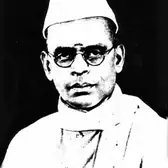
Madras Temple Entry Authorization and Indemnity Act
A law passed by the Rajagopalachari ministry lifted the bars on Dalits and Shanars entering Hindu temples across the Presidency.
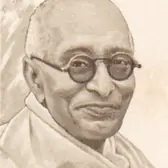
Deaths of Natarajan and Thalamuthu in custody
Anti-Hindi protesters L. Natarajan and Thalamuthu died after being jailed, and were claimed as the first martyrs of the anti-Hindi movement.
Thyaga Bhoomi released and banned
Thyaga Bhoomi, K. Subramanyam's nationalist film adapted from a Kalki story, was banned by the British administration after release.
Congress ministry resigns over the Second World War
The Rajagopalachari ministry resigned in protest against the Viceroy declaring India at war without consultation, and Governor's rule followed.
Periyar raises 'Dravida Nadu for Dravidians'
Periyar swapped the slogan 'Tamil Nadu for Tamils' for 'Dravida Nadu for Dravidians', setting the Justice Party on a separatist course.

1940
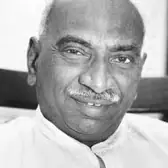
K. Kamaraj becomes TNCC president
K. Kamaraj was elected president of the Tamil Nadu Congress Committee, beginning his rise as the leading Congress organiser in the region.
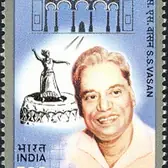
S. S. Vasan founds Gemini Studios
S. S. Vasan acquired a studio in Madras and established Gemini Studios, which became one of India's major film studios.
Compulsory Hindi order withdrawn
The Governor of Madras, Lord Erskine, withdrew the order making Hindi compulsory in schools, ending the first anti-Hindi agitation.
1941
Writer R. Krishnamurthy (Kalki) and T. Sadasivam launched the Tamil weekly Kalki, which serialised popular historical novels.
1942
Rajagopalachari resigns from Congress over Pakistan resolution
C. Rajagopalachari left the Congress after his proposals to negotiate with the Muslim League were rejected, and opposed Quit India.
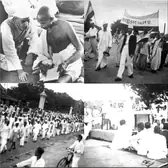
Quit India Movement in the Tamil districts
Congress leaders in the Tamil region were arrested as the Quit India Movement began, followed by strikes, sabotage and police firing.
1943
Tamil Isai Movement and Tamil Isai Sangam
The Tamil Isai Sangam was founded in Madras to promote the singing of Tamil compositions in Carnatic concerts dominated by Telugu and Sanskrit songs.
Congress leader S. Satyamurti, a former Mayor of Madras and mentor of K. Kamaraj, died in Madras.
Six days of continuous northeast monsoon rain caused the Cooum and Adyar rivers to overflow, flooding slums across Madras.
1944
Rajagopalachari's C. R. formula
C. Rajagopalachari's proposal to resolve the Congress and Muslim League deadlock became the basis of the 1944 Gandhi and Jinnah talks.
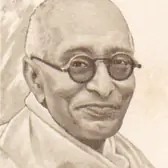
Kalki begins Sivagamiyin Sapatham
Kalki Krishnamurthy began serialising Sivagamiyin Sapatham, a historical novel set in the Pallava period.

Haridas, a Tamil film with M. K. Thyagaraja Bhagavathar in the lead, played at one Madras theatre across three Diwalis in a row, a record that stood for years.
Film stars M. K. Thyagaraja Bhagavathar and N. S. Krishnan were convicted in the murder of journalist C. N. Lakshmikanthan, later freed on appeal.
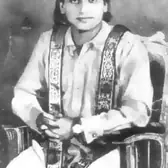
1945
Meera released with M. S. Subbulakshmi
Meera, directed by Ellis R. Dungan with M. S. Subbulakshmi in the lead and a script by Kalki, reached screens; a Hindi version came later.
1946
1946 Madras Presidency election
The Congress won a majority in the 1946 Madras Legislative Assembly election, ending the period of Governor's rule.
Muhammad Ismail leads the Muslim League opposition in Madras
M. Muhammad Ismail, later called Quaid-e-Millath, became Leader of the Opposition in the Madras Legislative Assembly.
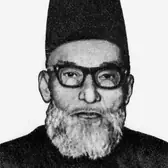
T. Prakasam becomes Premier of Madras
T. Prakasam was elected Congress legislature leader and formed a ministry, defeating the candidate backed by Rajagopalachari.
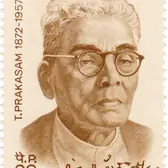
1947
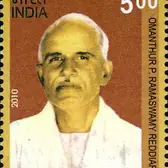
O. P. Ramaswamy Reddiyar becomes Premier
O. P. Ramaswamy Reddiyar, backed by Kamaraj, became Premier of Madras and led the province through independence.
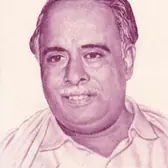
Periyar calls Independence Day a day of mourning
Periyar called for 15 August 1947 to be kept as a day of mourning, a stand Annadurai rejected, deepening the rift between them.
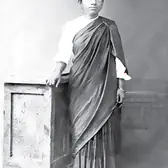
Madras Devadasis (Prevention of Dedication) Act enacted
The Madras legislature outlawed the dedication of girls to temples as devadasis, ending a long reform campaign.
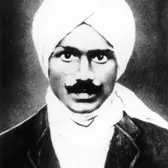
1949
Subramania Bharati's works nationalised
The Madras government nationalised the writings of poet Subramania Bharati, the first such step for any poet in India.
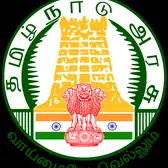
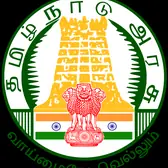
State emblem designed by R. Krishna Rao
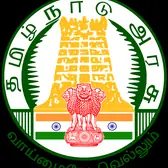
Designed in 1949, the Madras government's emblem combined a temple gopuram with the Lion Capital of Ashoka.
P. S. Kumaraswamy Raja becomes Premier of Madras
P. S. Kumaraswamy Raja succeeded O. P. Ramaswamy Reddiyar as Premier and later became the first Chief Minister of Madras State.

1950
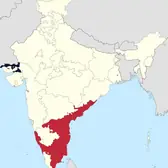
Madras State established under the Constitution
With the Constitution of India in force, the Madras Province became Madras State, a Part A state of the Indian Republic.
1952
First general election; Rajaji forms government
After the first general election left Congress short of a majority, C. Rajagopalachari was sworn in as Chief Minister of Madras State.
The film Parasakthi, written by M. Karunanidhi and marking Sivaji Ganesan's debut, was released and sparked controversy.
Potti Sriramulu dies fasting for Andhra State
Potti Sriramulu died in Madras after a long fast demanding a separate Telugu-speaking state, prompting the creation of Andhra State.
1953
Rajaji's Modified Scheme of Elementary Education
Rajaji's two-shift school scheme, criticised as Kula Kalvi Thittam (hereditary education), triggered protests and was later dropped.
1954
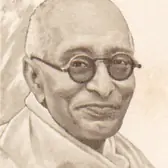
K. Kamaraj becomes Chief Minister
After Rajaji's resignation, K. Kamaraj became Chief Minister of Madras State and served for over nine years.
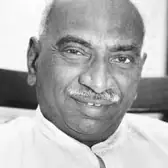
Death of writer Kalki Krishnamurthy
Kalki R. Krishnamurthy, journalist and author of popular Tamil historical novels, died in Madras.
1955
First Sahitya Akademi Award for Tamil
R. P. Sethu Pillai received the first Sahitya Akademi Award for Tamil for his essay collection Tamil Inbam.
1956
Kamaraj expands free schooling and midday meals
The Kamaraj government opened thousands of schools, extended free education and expanded free midday meals for schoolchildren.
1957
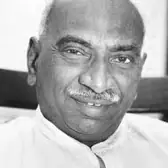
DMK contests its first election
Won by Kamaraj's Congress, the 1957 Assembly election was the first in which the DMK took part after its founding.
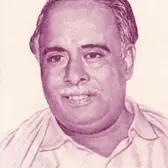
Madras State Electricity Board formed
The Madras State Electricity Board, later the Tamil Nadu Electricity Board, took over power generation and distribution in the state.
1958
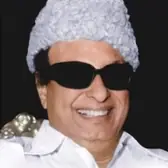
M. G. Ramachandran directed, produced and starred in Nadodi Mannan, a major hit that boosted his popularity and DMK symbolism.
1959
Veerapandiya Kattabomman released
Sivaji Ganesan's historical film opened in cinemas and went on to earn him Best Actor at Cairo's Afro-Asian Film Festival in 1960.
Rajaji founds the Swatantra Party
Leaving the Congress, C. Rajagopalachari launched the Swatantra Party, which went on to ally with the DMK against Congress.

1961
Madras State Housing Board formed
The City Improvement Trust of 1947 was expanded into a statewide housing board, later the Tamil Nadu Housing Board.
E. V. K. Sampath leaves the DMK and forms the Tamil National Party
E. V. K. Sampath split from the DMK and founded the Tamil National Party with the poet Kannadasan.
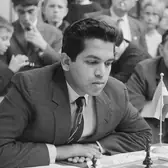
Manuel Aaron becomes India's first International Master
Madras chess player Manuel Aaron became the first Indian to earn the FIDE title of International Master.
1962
DMK becomes main opposition in 1962 election
Congress under Kamaraj retained power in 1962, while the DMK won 50 seats to become the principal opposition party.
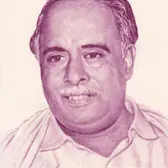
Madras State starts an old-age pension scheme
A monthly pension for destitute old people was introduced by the state, decades ahead of the national old-age pension of 1995.
1963
Kamaraj Plan; M. Bhaktavatsalam becomes Chief Minister
Kamaraj resigned as Chief Minister under his plan for senior leaders to work for the party, and M. Bhaktavatsalam succeeded him.
DMK drops demand for a separate Dravida Nadu
After the Sino-Indian War and the anti-secession Sixteenth Amendment, the DMK abandoned its demand for an independent Dravida Nadu.
1964
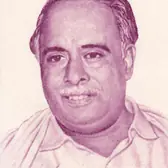
Bharathidasan, the rationalist Tamil poet influenced by Subramania Bharati and Periyar, died in Madras.
1965
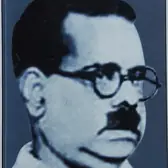
Tamil Nadu Industrial Development Corporation established
The state government set up the Industrial Development Corporation (TIDCO) to promote large industrial projects.
1967
Annadurai's rupee-a-measure rice scheme
The first DMK government tried to supply rice at one rupee a measure, an election promise made during an acute rice shortage.
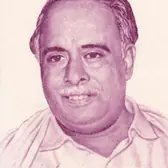
M. G. Ramachandran shot by M. R. Radha
Actor M. R. Radha shot M. G. Ramachandran at his home weeks before the 1967 election; MGR survived after surgery.
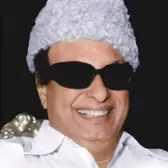
DMK wins the 1967 Assembly election
A DMK-led alliance defeated the Congress, ending Congress rule in Madras State; Kamaraj lost his own seat.
1968
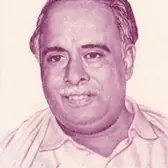
Self-Respect marriages given legal validity
The Hindu Marriage (Tamil Nadu Amendment) Act, 1967 became law, legalising marriages performed without priests or Vedic rituals.
1969
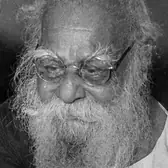
Sattanathan Backward Classes Commission
The first Backward Classes Commission of Tamil Nadu, headed by A. N. Sattanathan, recommended a separate Most Backward Class category.
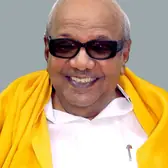
Kannoli Thittam free eye surgeries
The Karunanidhi government provided free eye surgeries for the blind under the Kannoli Thittam during its 1969-76 tenure.
Madras State renamed Tamil Nadu
With the Madras State (Alteration of Name) Act, 1968 in force, the state officially took the name Tamil Nadu.
Rajamannar Committee on Centre-State relations
The DMK government appointed a committee under P. V. Rajamannar to study state autonomy and Centre-State relations.
1970
Land ceiling reduced to 15 standard acres
A 1970 Tamil Nadu law halved the family land ceiling, cutting it from 30 to 15 standard acres.
Order allowing people of all castes to become temple priests
A 1970 order of the Karunanidhi government opened priesthood in public temples to all castes; in 1972 the Supreme Court struck it down.
SC and ST students exempted from tuition fees
A 1970 Government Order exempted Scheduled Caste and Scheduled Tribe students up to the Pre-University Course from paying tuition fees.
Invocation to Tamil Mother adopted for state functions
Chief Minister Karunanidhi announced that verses of Manonmaniam Sundaram Pillai's invocation to Tamil Mother would open state government functions.
Tamil Nadu Slum Clearance Board created
The Karunanidhi government created the Slum Clearance Board to replace slums with tenements, later backed by a 1971 Act.
State Autonomy Conference held in Madras
Periyar and leaders from other states joined a State Autonomy Conference in Madras called by Chief Minister Karunanidhi.
1971
Reservation raised to 49 percent
The DMK government raised the backward classes quota from 25 to 31 percent and the SC/ST quota from 16 to 18 percent.
SIPCOT founded to develop industrial estates
The State Industries Promotion Corporation of Tamil Nadu was set up to develop industrial parks across the state.
DMK wins 184 seats in the 1971 election
The DMK, allied with Indira Gandhi's Congress, won a landslide in the first Assembly election held under the name Tamil Nadu.
Tamil Nadu Water Supply and Drainage Board given statutory status
Set up in 1969, the TWAD Board was made a statutory body in charge of water supply and sewerage everywhere outside Madras.
Beggar rehabilitation scheme launched
On his birthday, Chief Minister Karunanidhi launched a beggar rehabilitation scheme and collected funds for it himself.
Prohibition suspended in Tamil Nadu
The Karunanidhi government suspended prohibition and permitted the sale of arrack and toddy, before stopping it again in 1974.
1972
Madras Metropolitan Development Authority constituted
A metropolitan development authority was set up to plan Madras city and its suburbs, becoming a statutory body in 1974.
Tamil Nadu Civil Supplies Corporation founded
The state set up the Civil Supplies Corporation to procure and distribute food grains and essential commodities.
Pallavan Transport Corporation formed for Madras buses
The Pallavan Transport Corporation took over city bus services in the Madras metropolitan area with 1,029 buses.
MGR wins the Bharat Award for Best Actor
M. G. Ramachandran won the national Best Actor (Bharat) award for Rickshawkaran, the first South Indian actor to receive it.
MGR expelled from DMK; AIADMK founded
After demanding that DMK ministers declare their assets, M. G. Ramachandran was expelled and launched the Anna DMK.

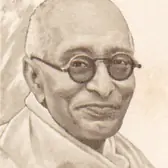
C. Rajagopalachari, once Governor-General, Chief Minister of Madras and founder of the Swatantra Party, died in Madras at 94.
1973
Women first recruited into the Tamil Nadu Police
The first batch of women police, a sub-inspector, a head constable and 20 constables, was recruited in Tamil Nadu in 1973.
1974
Poompuhar Shipping Corporation founded
The state-owned Poompuhar Shipping Corporation was founded; it later ran the ferries to the Vivekananda Rock at Kanyakumari.
1975
Akilan becomes the first Tamil writer to win the Jnanpith
Novelist Akilan received the Jnanpith Award for his novel Chithirappavai, the first for a Tamil writer.
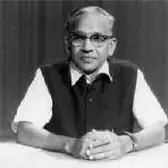
Television arrives in Madras with Doordarshan Kendra
Doordarshan began television broadcasts from Madras, the first TV station in South India.
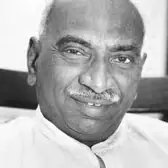
K. Kamaraj, former Chief Minister and Congress president, died in Madras and was awarded the Bharat Ratna posthumously in 1976.
1976
Kamaraj awarded the Bharat Ratna posthumously
Former Chief Minister K. Kamaraj, who died in October 1975, was posthumously awarded the Bharat Ratna.
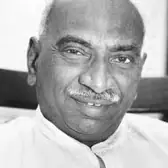
Karunanidhi government dismissed; President's rule imposed
During the Emergency the Union government dismissed the DMK ministry and imposed President's rule in Tamil Nadu.
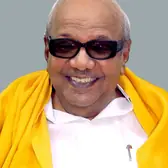
Sarkaria Commission of Inquiry into the DMK government
A one-man commission under Justice R. S. Sarkaria was appointed to inquire into corruption charges against the dismissed DMK government.
Annakili released; Ilaiyaraaja's film debut
Ilaiyaraaja's first film score, for Annakili, carried rural folk music into the Tamil cinema mainstream.
1977
Congress-AIADMK alliance wins 34 Lok Sabha seats in Tamil Nadu
In the post-Emergency Lok Sabha election, the Congress-AIADMK-CPI alliance won 34 of Tamil Nadu's 39 seats even as the Janata Party took power nationally.
AIADMK wins assembly election, M. G. Ramachandran becomes Chief Minister
The AIADMK-led alliance won the 1977 assembly election and M. G. Ramachandran was sworn in as Chief Minister.
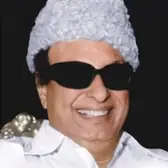
Bharathiraja's 16 Vayathinile released
Bharathiraja's first film, 16 Vayathinile, with Kamal Haasan, Sridevi and Rajinikanth, moved Tamil cinema from studio sets to real village settings.
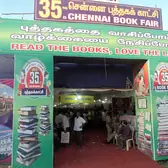
Organised by the Booksellers and Publishers Association of South India, the first Madras Book Fair later developed into the yearly Chennai Book Fair.
1978
Oru Vilakku one-lamp electricity scheme
Under the 'one lamp' scheme, the MGR government supplied small homes with free electricity and an electric lamp paid for by the state.
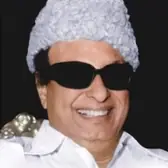
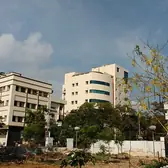
Sankara Nethralaya eye hospital founded in Madras
Led by S. S. Badrinath, a group in Madras founded Sankara Nethralaya, a charitable eye hospital run on a not-for-profit basis.
1979
Income ceiling introduced for backward class reservation
The MGR government introduced an annual income ceiling to exclude better-off families from backward class reservation.
1980
Hindu Munnani founded in Tamil Nadu
The Hindu Munnani, a Hindutva organisation set up with RSS backing, was founded in Tamil Nadu by Ramagopalan.
DMK-Congress alliance wins 37 of 39 Lok Sabha seats
The Congress (Indira) and DMK alliance won 37 of Tamil Nadu's 39 Lok Sabha seats, a setback for M. G. Ramachandran's ruling AIADMK.
Income ceiling withdrawn, backward class quota raised to 50%
After electoral setbacks, the MGR government withdrew the income ceiling and raised the backward class quota from 31% to 50%.
MGR government dismissed, President's rule imposed
The Union government dismissed the AIADMK ministry and dissolved the Tamil Nadu assembly, imposing President's rule.
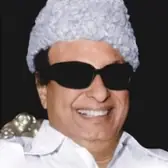
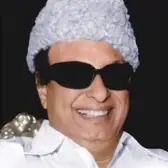
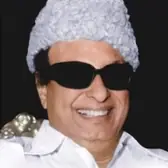
AIADMK re-elected, MGR sworn in for second term
Months after the DMK and Congress swept the Lok Sabha polls, the AIADMK won the May 1980 assembly election, bringing MGR back as Chief Minister.
1982
Tamil Nadu Pollution Control Board established
The Tamil Nadu Pollution Control Board was set up as the state body to monitor and control pollution.
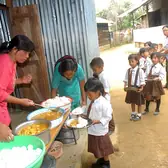
Nutritious Noon Meal Scheme launched
MGR's government expanded the school midday meal into a universal Nutritious Noon Meal Scheme for children across Tamil Nadu.
1983
TASMAC established to handle liquor trade
Formed by the M. G. Ramachandran government, the Tamil Nadu State Marketing Corporation (TASMAC) handled wholesale liquor trade whenever prohibition was lifted.
Free dhoti and saree scheme for Pongal
The state began distributing free saris and dhotis to poor families for Pongal, a scheme that also provides work to handloom and power loom weavers.
Apollo Hospitals founded in Madras
Prathap C. Reddy founded Apollo Hospitals in Madras, India's first corporate healthcare provider.
1984
MGR falls ill and is treated in the United States
Kidney failure put Chief Minister M. G. Ramachandran in hospital, and he later had a kidney transplant in New York.
1985
Tamil Eelam Supporters Organisation (TESO) formed
TESO was formed in Tamil Nadu to mobilise support for Sri Lankan Tamils, with M. Karunanidhi among its leaders.
1986
First HIV cases in India detected in Madras
India's first documented HIV infections were found among sex workers in Madras by microbiologist Suniti Solomon and her student Sellappan Nirmala.
DMK agitation against Navodaya schools
The DMK protested the National Policy on Education's Navodaya schools, seen as a route for Hindi imposition; the schools were not opened in Tamil Nadu.
1987
Dr Muthulakshmi Reddy Maternity Benefit Scheme
Tamil Nadu began cash assistance for poor pregnant women, a pioneering state maternity benefit scheme named after Muthulakshmi Reddy.
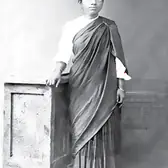
Mani Ratnam's Nayakan released
Mani Ratnam's Nayakan, with Kamal Haasan in the title role, reached cinemas and was later named by Time as one of the greatest films of all time.
1988
Viswanathan Anand becomes India's first grandmaster
Chess player Viswanathan Anand of Madras became India's first grandmaster.
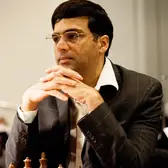
M. G. Ramachandran awarded the Bharat Ratna posthumously
M. G. Ramachandran, the former Chief Minister who had died in December 1987, was honoured posthumously with the Bharat Ratna, India's top civilian award.
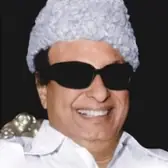
Janaki Ramachandran ministry and President's rule
V. N. Janaki became Tamil Nadu's first woman Chief Minister, but her ministry was dismissed within weeks and President's rule followed.
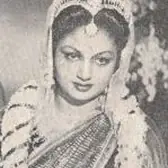
Tamil Nadu win the Ranji Trophy for the second time
Beating Railways by an innings in the final, Tamil Nadu won the Ranji Trophy for the second time, 33 years after its first title.
Investigative magazine Nakkheeran launched
The Tamil biweekly Nakkheeran, founded and edited by Nakkheeran Gopal, published its first issue.
1989
Separate 20% quota for Most Backward Classes
The DMK government split the 50% backward class quota into 30% for Backward Classes and 20% for Most Backward Classes and Denotified Communities.
Equal property rights for women and 30% job quota
Tamil Nadu amended Hindu succession law to give daughters equal rights in family property and reserved 30% of government jobs for women.
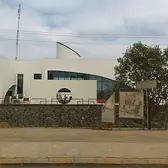
SPIC Science Foundation founds the school that became Chennai Mathematical Institute
The SPIC Science Foundation founded a School of Mathematics in Madras, which grew into the Chennai Mathematical Institute.
Moovalur Ramamirtham marriage assistance scheme
The DMK government started cash assistance for the marriage of daughters of poor families, named after reformer Moovalur Ramamirtham.
Karunanidhi announced an egg once every two weeks with the noon meal, the first step towards eggs on every school day by 2010.
DMK returns to power, Karunanidhi Chief Minister again
After 13 years in opposition, the DMK won the January 1989 assembly election and M. Karunanidhi became Chief Minister for the third time.
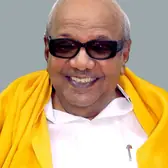
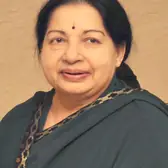
AIADMK factions merge under Jayalalithaa
The two AIADMK factions merged and accepted J. Jayalalithaa as general secretary; she became the first woman Leader of the Opposition in the Assembly.
S. Ramadoss founded the Pattali Makkal Katchi, a party rooted in the Vanniyar Sangam and the 1987 reservation agitation.

Congress-AIADMK alliance wins 38 of 39 Lok Sabha seats
Months after losing the state election, the reunited AIADMK and its ally the Congress won 38 of Tamil Nadu's 39 Lok Sabha seats.
1990
Separate 1 percent reservation for Scheduled Tribes
The Karunanidhi government split the combined SC/ST quota and gave Scheduled Tribes a separate 1 percent reservation.
Free electricity for farmers announced
The DMK government announced free power for agricultural pump sets, extending a 1984 scheme for small and marginal farmers to all farmers.
1991
DMK government dismissed under Article 356
The Chandra Shekhar government dismissed the Karunanidhi ministry, citing law and order concerns linked to LTTE activity, and imposed President's rule.
Congress-AIADMK alliance sweeps all 39 Lok Sabha seats
In the election during which Rajiv Gandhi was assassinated at Sriperumbudur, the Congress-AIADMK alliance won all 39 Lok Sabha seats in Tamil Nadu.
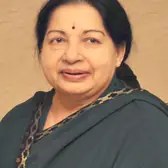
Jayalalithaa becomes Chief Minister for the first time
The AIADMK-Congress alliance swept the June 1991 election and J. Jayalalithaa became Chief Minister, the youngest in the state's history at the time.
1992
All-women police stations set up
The Jayalalithaa government opened police stations run entirely by women to handle complaints from women, starting in Chennai.
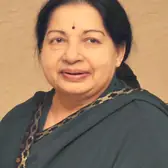
Chief Minister's Girl Child Protection Scheme
The state began depositing money in the names of girl children in poor families to counter gender discrimination and keep girls in school.
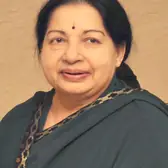
Roja released, A. R. Rahman's debut as composer
Mani Ratnam's Roja, the first film scored by A. R. Rahman, was released and its soundtrack transformed Indian film music.
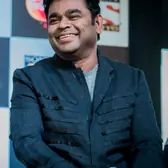
1993
Kalanithi Maran launched Sun TV, a Tamil general entertainment channel that grew into the Sun TV Network.
1994
Vaiko founds the MDMK after split from DMK
Expelled from the DMK, Vaiko founded the Marumalarchi Dravida Munnetra Kazhagam (MDMK).
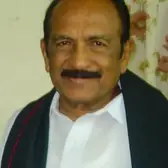
Construction Workers Welfare Board established
Using its 1982 Manual Workers Act, Tamil Nadu created a construction workers' welfare board financed by a cess on building activity.
69% reservation Act placed in the Ninth Schedule
Through the 76th Amendment, the Constitution's Ninth Schedule came to include Tamil Nadu's 1993 law that kept reservation at 69%.
Raj TV, a Tamil general entertainment channel based in Chennai, was launched, adding to the new private satellite channels in the state.
Cyclone crosses the coast near Madras
A cyclonic storm made landfall near Madras on 31 October 1994, causing about 115 million US dollars in damage and some 304 deaths.
1995
Tamil Nadu Muslim Munnetra Kazhagam founded
The Tamil Nadu Muslim Munnetra Kazhagam (TMMK) was formed as a mass organisation to defend the rights of Muslims in the state.
Rajinikanth's Baashha released
Baashha, Suresh Krissna's gangster drama with Rajinikanth as an auto-rickshaw driver hiding his past, opened and became one of the actor's most famous films.
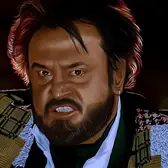
Mani Ratnam's Bombay released amid controversy
Bombay, Mani Ratnam's film about an inter-religious couple during the 1992-93 Bombay riots, drew controversy, and bombs were thrown at his Madras home.
Wedding of Jayalalithaa's foster son Sudhakaran
More than 150,000 people watched the extravagant Madras wedding of V. N. Sudhakaran, Chief Minister Jayalalithaa's foster son, an event later drawn into corruption cases.
Chennai MRTS opens, India's first elevated railway
India's first elevated urban railway came into service when the opening section of Chennai's Mass Rapid Transit System, linking Beach and Chepauk, began running.
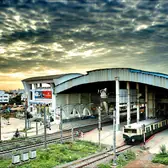
Madras hosts the 7th South Asian Games
The 7th South Asian Federation Games were held in Madras, with the rebuilt Jawaharlal Nehru Stadium as the main venue; India topped the medal table.
1996
The Karunanidhi government introduced free bus travel for government school and college students and half fares for private institutions.
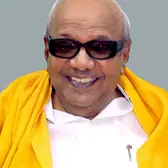
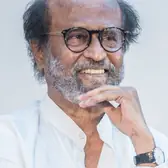
Rajinikanth backs the DMK-TMC alliance
Staying out of politics himself, Rajinikanth warned that 'even God cannot save' Tamil Nadu if Jayalalithaa's party won again, and endorsed the DMK-TMC alliance.
DMK-TMC alliance wins 1996 election
The DMK-TMC alliance won 221 of 234 assembly seats and all 39 Lok Sabha seats; M. Karunanidhi became Chief Minister for the fourth time.
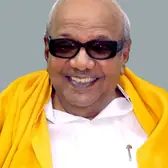
Shankar's anti-corruption vigilante film Indian, starring Kamal Haasan, became the highest-grossing Tamil film on release and India's Oscar entry.
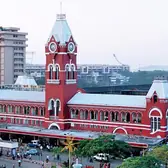
Madras officially renamed Chennai
The Tamil Nadu government officially changed the capital's name from Madras to Chennai.
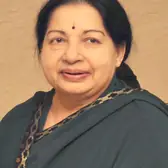
Jayalalithaa arrested in colour TV case
Former Chief Minister J. Jayalalithaa was arrested and remanded in judicial custody in a corruption case over the purchase of colour televisions.
1997
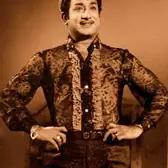
Sivaji Ganesan receives the Dadasaheb Phalke Award
Sivaji Ganesan received the Dadasaheb Phalke Award, the top film honour in India.
ATP tennis tournament moves to Chennai as the Gold Flake Open
India's only ATP Tour event moved from New Delhi to Chennai, where it was held every January until 2017 before shifting to Pune.
Tamil Nadu Dr. Ambedkar Law University inaugurated
Chennai saw the inauguration of a state law university named for B. R. Ambedkar, created by a 1996 Act to place every law college under a single body.
1998
C. Subramaniam awarded the Bharat Ratna
Former Union minister C. Subramaniam, a Congress leader from Tamil Nadu who ushered in the Green Revolution, was awarded the Bharat Ratna.
Rajinikanth's Muthu becomes a hit in Japan
Shown in Japan as 'Muthu: The Dancing Maharaja', the 1995 Tamil film earned more there than any other Indian film, holding that record for 24 years.
AIADMK allies with the BJP; NDA wins 30 seats in Tamil Nadu
Breaking its long alliance with the Congress, the AIADMK joined the BJP-led front, which won 30 of Tamil Nadu's 39 Lok Sabha seats.
1999
Viduthalai Chiruthaigal Katchi contests elections for the first time
The Dalit Panthers movement led by Thol. Thirumavalavan, later the VCK, entered electoral politics for the first time in 1999.
Jaya TV, a Tamil satellite channel founded by AIADMK leader J. Jayalalithaa, was launched in Chennai.
DMK allies with the BJP; NDA wins 26 seats in Tamil Nadu
With the AIADMK out of the NDA, the DMK allied with the BJP for the first time and the NDA won 26 of Tamil Nadu's 39 Lok Sabha seats.
2001
Free bicycles for higher secondary students
Free bicycles for higher secondary students were introduced by the Jayalalithaa government, and the scheme later reached every Class 11 student.
Tamil Virtual University established
To provide internet-based Tamil learning around the world, the Tamil Nadu government created the Tamil Virtual University, now the Tamil Virtual Academy.
AIADMK alliance wins the 2001 Assembly election
The AIADMK-led alliance defeated the DMK government and J. Jayalalithaa was sworn in as Chief Minister for the second time.
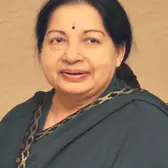
Midnight arrest of M. Karunanidhi
Former Chief Minister M. Karunanidhi was arrested at his Chennai home in the early hours in a case over the construction of city flyovers.
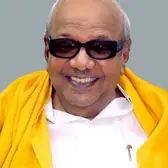
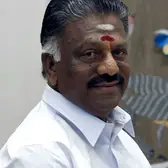
Supreme Court unseats Jayalalithaa, O. Panneerselvam becomes Chief Minister
After the Supreme Court held Jayalalithaa's appointment invalid, O. Panneerselvam served as Chief Minister until she returned in March 2002.
2002
Tamil Nadu Open University established
Through the Tamil Nadu Open University Act, 2002, the state set up an open university in Chennai offering distance higher education.
Annadhanam free meal scheme in temples
Jayalalithaa launched free daily meals for devotees in 63 temples, funded by endowments from donors; it was later expanded to hundreds of temples.
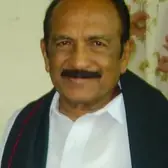
MDMK leader Vaiko was arrested under the Prevention of Terrorism Act for a speech supporting the LTTE and spent over a year and a half in jail.
Tamil Nadu anti-conversion law
The AIADMK government introduced a law against forcible religious conversion, which was withdrawn after the 2004 Lok Sabha election and formally repealed in 2006.
2003
Tamil Nadu bans the sale of lotteries
The Jayalalithaa government banned the sale of all lotteries in Tamil Nadu, including those run by agencies from other states.
Mass dismissal of striking government employees under TESMA
The state dismissed between about 170,000 and 200,000 striking government employees and teachers under its Essential Services Maintenance Act.
Rainwater harvesting made mandatory for all buildings
After severe drought, a 2003 ordinance required every building in Tamil Nadu to install rainwater harvesting structures by 31 August.
2004
DMK-led alliance wins all 39 Lok Sabha seats
The DMK-led Democratic Progressive Alliance with the Congress and Left won every Lok Sabha seat in Tamil Nadu and Puducherry; the AIADMK-BJP alliance won none.
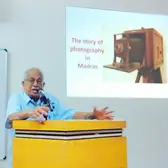
Madras Day, held each 22 August, was first celebrated in Chennai, recalling the 1639 acquisition of the land where the city developed.
Tamil declared a classical language
The Government of India declared Tamil the first classical language of India.

2005
2005 Chennai floods and relief camp stampedes
Heavy north-east monsoon rain flooded Chennai, and two stampedes at relief distribution camps killed more than 50 people.
2006
The DMK government began distributing free colour television sets to families holding ration cards, a key 2006 election promise.
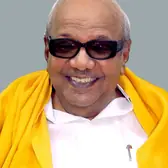
Anaithu Grama Anna Marumalarchi Thittam
A village development programme of the Karunanidhi government aimed to give every village panchayat basic infrastructure, including a library.
Professional course admissions law and end of entrance tests
With common entrance tests abolished, a 2006 law reorganised professional course admissions and brought reservation to private colleges.
DMK forms a minority government
M. Karunanidhi became Chief Minister for the fifth time, heading a DMK government that depended on outside support from the Congress.
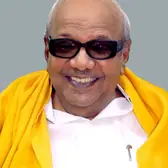
2007
Separate reservation for Backward Class Muslims and Christians
Under a 2007 Act, Backward Class Muslims and Christians received their own portion of the backward class quota.
Welfare board and department for persons with disabilities
In 2007 Tamil Nadu enacted a Welfare Board for Disabled Persons Act, and in 2009 it formed a separate Department for the Welfare of the Differently Abled.
First Chennai Sangamam folk arts festival
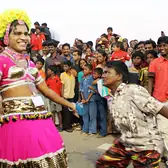
Chennai Sangamam, an open-air festival of Tamil folk and traditional arts around Pongal, was held for the first time with state government backing.
India win the Hockey Asia Cup in Chennai
Chennai hosted the men's Hockey Asia Cup, and India beat South Korea 7-2 in the final to win the title.
2008
108 free emergency ambulance service begins
The state health department launched the free 108 emergency ambulance service, run in partnership with GVK-EMRI.
Tamil New Year moved to the first day of Thai
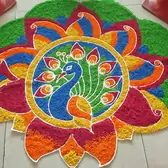
A DMK government law moved Tamil New Year to the first day of the Tamil month of Thai; the change was revoked in 2011.
Transgender Welfare Board, first in India
Tamil Nadu set up India's first welfare board for transgender persons under the Social Welfare department.
Central Institute of Classical Tamil moves to Chennai
The Union government's Centre of Excellence for Classical Tamil moved from Mysore to Chennai and became the Central Institute of Classical Tamil.
Rice at one rupee a kilogram in ration shops
The Karunanidhi government cut the price of rice in public distribution shops to one rupee a kilogram.
2009
Internal reservation for Arunthathiyars
Tamil Nadu set aside 3 percent within the Scheduled Caste quota for the Arunthathiyar community.
Kalaignar health insurance scheme launched
The state launched the Kalaignar Kapitu Thittam to give economically disadvantaged families free treatment in hospitals.
Self-immolation of K. Muthukumar
Journalist K. Muthukumar set himself on fire in Chennai in protest against the killing of Tamil civilians in the Sri Lankan war.
DMK-Congress alliance wins 27 of 39 Lok Sabha seats
Against expectations, the DMK, Congress and VCK won 27 of Tamil Nadu's 39 Lok Sabha seats, helping the UPA return to power.
2010
Samacheer Kalvi: uniform school education
Tamil Nadu introduced a common syllabus across state, matriculation and other school boards; the Supreme Court upheld it in 2011.
Kalaignar Veettu Vasathi Thittam to replace huts
The DMK government launched a scheme to convert thatched rural huts into permanent concrete houses over six years.
Fee support for first-generation graduates
The state announced a scholarship to pay tuition and other fees of first graduates in a family who join professional courses.
New Assembly-Secretariat complex inaugurated
A new legislature and secretariat building on Anna Salai was opened, but the next government moved back to Fort St. George and turned it into a hospital.
2011
Free mixers, grinders, fans and livestock
The new AIADMK government began giving households free mixers, grinders and fans, and goats and cows to poor families.
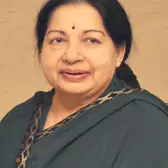
AIADMK returns to power in 2011
The AIADMK alliance won a large majority and J. Jayalalithaa became Chief Minister for the third time; the DMDK became the main opposition.
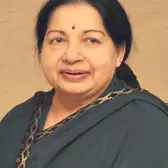
Free rice for ration card holders
In her first public event of the new term, Jayalalithaa launched free rice for eligible ration card holders under the universal PDS.
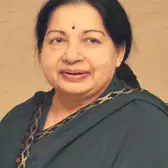
Marriage assistance with gold for the thirumangalyam
Jayalalithaa revised the marriage assistance schemes to add 4 grams of gold for the thirumangalyam and raised aid for graduates to Rs. 50,000.
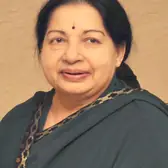
Chief Minister's Uzhavar Pathukappu Thittam
A farmers' security scheme gave registered landless labourers, small farmers and tenants cash help for education, marriage, death and old age.
Free laptop scheme for students
Students at government and aided schools and colleges started receiving free laptops from the AIADMK government.
2012
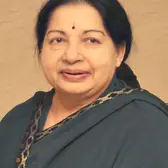
Chief Minister's Comprehensive Health Insurance Scheme
Jayalalithaa launched a state health insurance scheme for 1.34 crore families, replacing the earlier Kalaignar insurance scheme.
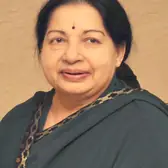
Pension scheme for destitute transgender persons
Jayalalithaa announced a monthly pension of Rs. 1,000 for transgender persons above 40 living in poverty.
2013
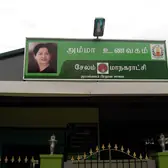
Amma Unavagam subsidised canteens open
The Chennai Corporation opened low-cost canteens selling idli for one rupee, later expanded across the state.
The state began selling one-litre bottles of drinking water for Rs. 10 at bus termini and on long-distance government buses.
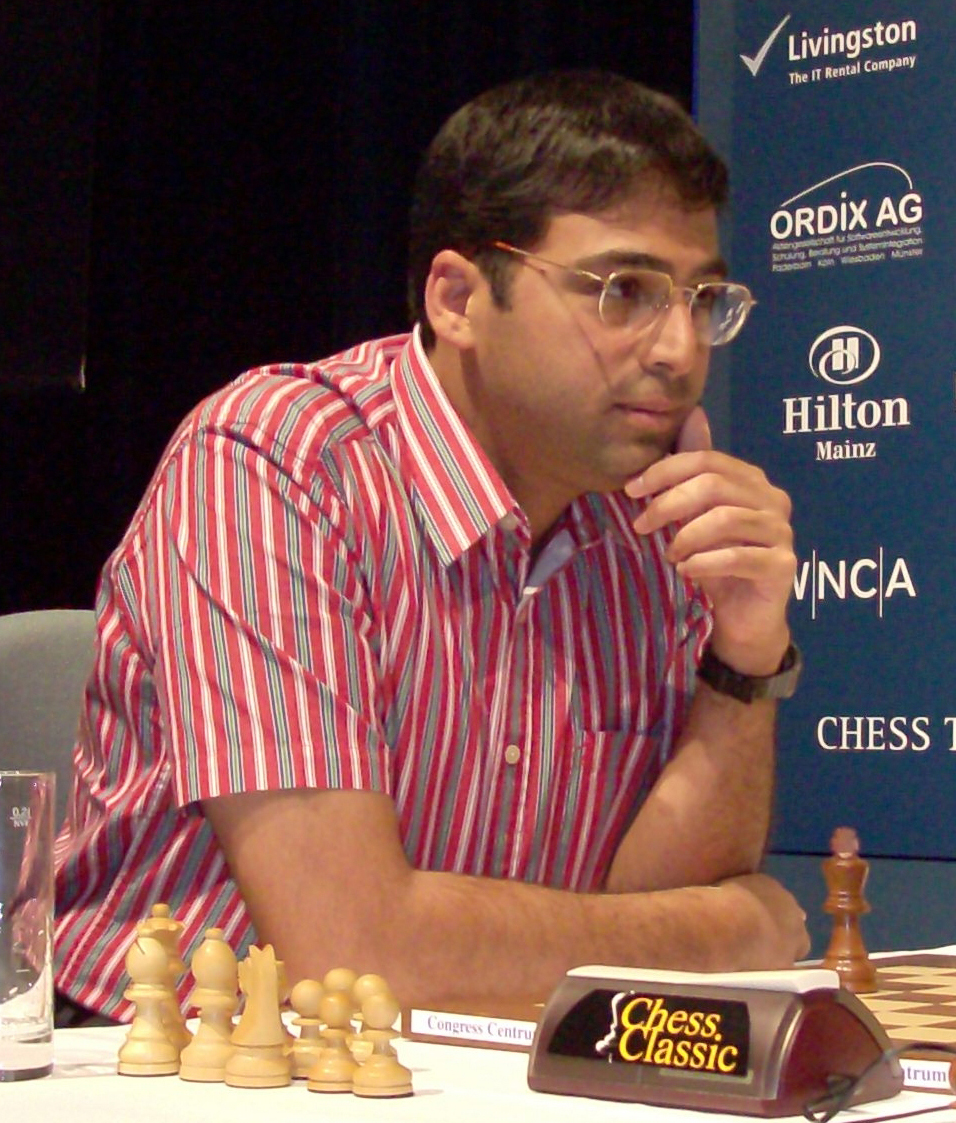
Chennai hosts the Anand-Carlsen World Chess Championship
Playing in his home city, Viswanathan Anand put his world title on the line against Magnus Carlsen and lost it to the Norwegian.
2014
Jayalalithaa opened the first ten 'Amma' pharmacies to sell quality medicines at fair prices.
The Tamil Nadu Salt Corporation began selling low-priced iodised and fortified salt under the 'Amma' brand.
Chennai Outer Ring Road phase I opens
The first phase of the Chennai Outer Ring Road, built to divert traffic around the city, was opened to the public.
2015
Jayalalithaa announced low-cost comprehensive health check-ups in government hospitals and twice-weekly tests at primary health centres.
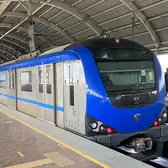
The first stretch of Chennai Metro, between Koyambedu and Alandur, opened to passengers.
Amma Baby Care Kit for newborns
Mothers delivering in government hospitals began receiving a free kit of 16 baby care items worth about Rs. 1,000.
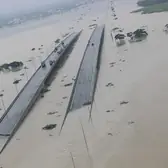
Extremely heavy north-east monsoon rains flooded Chennai, Kancheepuram, Tiruvallur and Cuddalore, killing hundreds of people.
2016
Tamil Nadu Premier League launched
A Twenty20 league with franchises based on districts was launched by the Tamil Nadu Cricket Association to showcase local players.
Free bus rides for senior citizens in Chennai
Senior citizens in Chennai were allowed ten free rides a month on ordinary city buses, using tokens issued by the transport corporation.
Crop loan waiver and 100 free units of household power
Back in power, Jayalalithaa cancelled the cooperative crop loans of 16.94 lakh farmers and made the first 100 units of household power free.
Winning a second term in a row, the AIADMK became the first party in power in Tamil Nadu to be returned to office since 1984.
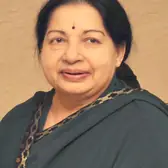
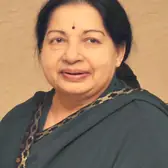
Chief Minister J. Jayalalithaa died at Apollo Hospital, Chennai, after a 75-day hospitalisation; O. Panneerselvam was sworn in the same night.
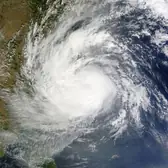
Cyclone Vardah made landfall near Chennai, uprooting thousands of trees and cutting power and communication across the city.
2017
Sasikala convicted; Edappadi K. Palaniswami becomes Chief Minister
After the Supreme Court restored V. K. Sasikala's conviction, AIADMK legislators chose Edappadi K. Palaniswami as Chief Minister.
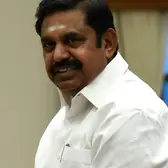
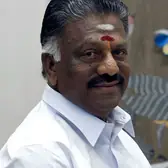
The Palaniswami and Panneerselvam factions of the AIADMK reunited, with Panneerselvam becoming Deputy Chief Minister.
2018
Amma Two-Wheeler scheme for working women
Prime Minister Modi launched a 50 percent subsidy, up to Rs. 25,000, for working women buying scooters, on Jayalalithaa's 70th birth anniversary.
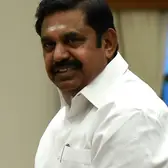
R. Praggnanandhaa becomes a grandmaster at twelve
Aged 12 years and 10 months, R. Praggnanandhaa of Chennai became a grandmaster, at that time the second-youngest ever.
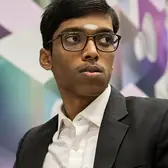
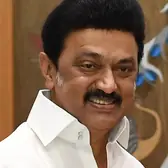
M. K. Stalin elected DMK president
M. K. Stalin was elected unopposed as president of the DMK, succeeding his father M. Karunanidhi.
2019
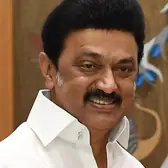
Tamil Nadu bans single-use plastics
The Tamil Nadu government's ban on plastic carry bags and other single-use plastic items came into force on 1 January 2019.
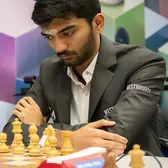
D. Gukesh becomes a grandmaster at twelve
Aged 12 years, 7 months and 17 days, Chennai's D. Gukesh earned the grandmaster title, at that point the second-youngest ever to do so.
DMK alliance sweeps 2019 Lok Sabha election in Tamil Nadu
The DMK-led Secular Progressive Alliance won 38 of the 39 Lok Sabha seats in Tamil Nadu.
After a failed monsoon, Chennai's main reservoirs dried up, forcing heavy reliance on tankers and water brought by train from Jolarpet.
Tamil Nadu Day first observed on 1 November
The Palaniswami government began observing 1 November as Tamil Nadu Day; in 2022 the DMK government moved it to 18 July.
2020
COVID-19 pandemic reaches Tamil Nadu
Tamil Nadu reported its first COVID-19 case in March 2020; the pandemic brought lockdowns and two severe waves.
7.5 percent medical seat quota for government school students
The Governor assented to a law reserving 7.5 percent of medical seats for students who studied in government schools.
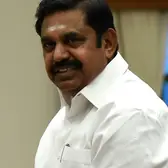
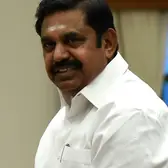
Palaniswami inaugurated 630 'Amma mini clinics' for basic health checks, part of a plan for 2,000 clinics across the state.
2021
Rs. 12,110 crore cooperative crop loan waiver
Ahead of the 2021 election, Palaniswami waived crop loans from cooperative banks for about 16 lakh farmers after cyclones damaged crops.
Ungal Thoguthiyil Muthalamaichar grievance department
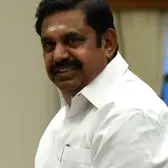
The new DMK government set up a department to resolve within 100 days the petitions Stalin had collected during his election campaign.
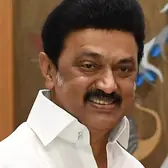
DMK wins 2021 election; M. K. Stalin becomes Chief Minister
The DMK-led alliance won the 2021 Assembly election and M. K. Stalin was sworn in as Chief Minister for the first time.
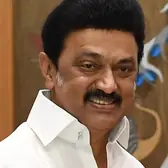
Free bus travel for women in town buses
Among his first orders as Chief Minister, M. K. Stalin made travel free for women in ordinary state-run town buses.
Priests of all castes appointed to state temples
The government appointed trained archakas from many castes, including non-Brahmins, to temples under the HR and CE department.
Ford ends car manufacturing in India
Ford announced it would stop manufacturing in India, leading to the closure of its car plant near Chennai.

Assembly passes NEET exemption bill
The Assembly passed a bill to admit students to medical courses on Class 12 marks instead of NEET, and re-passed it after the Governor returned it.
A volunteer-led programme was launched to help school children recover learning lost during COVID-19 school closures.
2022
Naan Mudhalvan skill development scheme launched
Naan Mudhalvan, a state scheme offering students skills training and career guidance, set out to reach about 10 lakh young people annually.
Edappadi K. Palaniswami takes control of the AIADMK
The AIADMK general council made Edappadi K. Palaniswami interim general secretary and expelled O. Panneerselvam.
Pudhumai Penn scheme for college girls
The state began paying Rs. 1,000 a month to girls from government schools who go on to higher education.
2023
Minister V. Senthil Balaji arrested by the ED
The Enforcement Directorate arrested Electricity Minister V. Senthil Balaji in a money laundering case linked to a cash-for-jobs scam.
Udhayanidhi Stalin's remarks on Sanatana Dharma
Minister Udhayanidhi Stalin's call to eradicate Sanatana Dharma drew national controversy and court cases.
R. Vaishali becomes a grandmaster
By passing the 2500 rating mark, Chennai's Vaishali qualified as India's third woman grandmaster, alongside her brother Praggnanandhaa.
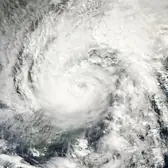
Cyclone Michaung floods Chennai
Very heavy rain from Cyclone Michaung flooded large parts of Chennai and neighbouring districts.
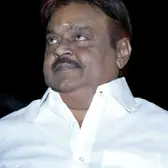
Actor and DMDK founder Vijayakanth, a former Leader of the Opposition, died in Chennai.
2024
Kalaignar Kanavu Illam housing scheme
A rural housing scheme announced in the 2024-25 budget aimed to build eight lakh concrete houses and make Tamil Nadu hut-free by 2030.
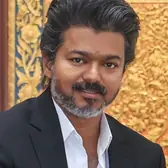
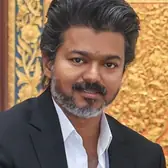
Vijay founds Tamilaga Vettri Kazhagam
Film actor Vijay launched the Tamilaga Vettri Kazhagam party, announcing he would leave cinema for politics.
DMK alliance wins all 39 Lok Sabha seats
The DMK-led INDIA bloc won all 39 Lok Sabha seats in Tamil Nadu; the AIADMK and BJP, contesting separately, won none.
Murder of BSP state president K. Armstrong
Prominent Dalit leader K. Armstrong, who headed the Bahujan Samaj Party in Tamil Nadu, was hacked to death near his house in Chennai.
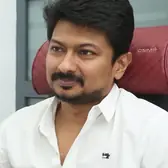
Udhayanidhi Stalin becomes Deputy Chief Minister
Sports Minister Udhayanidhi Stalin, son of M. K. Stalin, was elevated as Deputy Chief Minister of Tamil Nadu.
2025
Dispute over NEP, three-language policy and school funds
Tamil Nadu refused to sign the PM SHRI agreement or adopt the three-language formula, and the Union withheld Samagra Shiksha funds.
Mudhalvar Marundhagam low-cost pharmacies
Stalin inaugurated 1,000 'Chief Minister's pharmacies' selling generic and other medicines at discounts of up to 75 percent.
Joint Action Committee on fair delimitation meets in Chennai
Chief Ministers and leaders from several states met in Chennai at Stalin's call to oppose delimitation based only on population.
Nalam Kaakkum Stalin health camps
Health screening camps covering many medical specialties were rolled out across Tamil Nadu by Chief Minister Stalin.
Thayumanavar doorstep ration delivery
Ration items began to be delivered to the homes of over 21 lakh senior citizens above 70 and persons with disabilities.
Anbu Karangal support for orphaned children
The state began paying Rs. 2,000 a month to children who have lost their parents, to support their schooling.
2026
Tamil Nadu Assured Pension Scheme announced
State employees were promised an assured pension of half their last-drawn pay by the Stalin government, a scheme close to the old pension.
Ulagam Ungal Kaiyil free laptops for college students
Stalin launched a scheme to distribute 20 lakh laptops to students of government colleges, with 10 lakh in the first phase.
TVK government's cooperative crop loan waiver
Cooperative crop loans taken from May 2025 to February 2026 were waived by the Vijay government, a relief that eventually reached 14.43 lakh farmers.
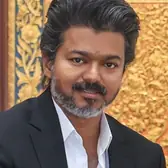
TVK wins most seats in 2026; Vijay becomes Chief Minister
In its first election the TVK became the largest party with 108 seats, and C. Joseph Vijay was sworn in as Chief Minister with the support of allies.
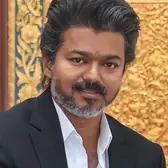
Vijay government's first orders
On taking office, Chief Minister Vijay signed orders on free household electricity, a women's safety task force and anti-narcotics police stations.
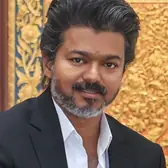
Vettri Payanam expands free bus travel for women
Free bus travel for women was widened by the Vijay government to express and deluxe services, without any income ceiling or cap on journeys.