LegislationNational and Dravidian movements

Government of India Act 1919 introduces dyarchy

· Chennai
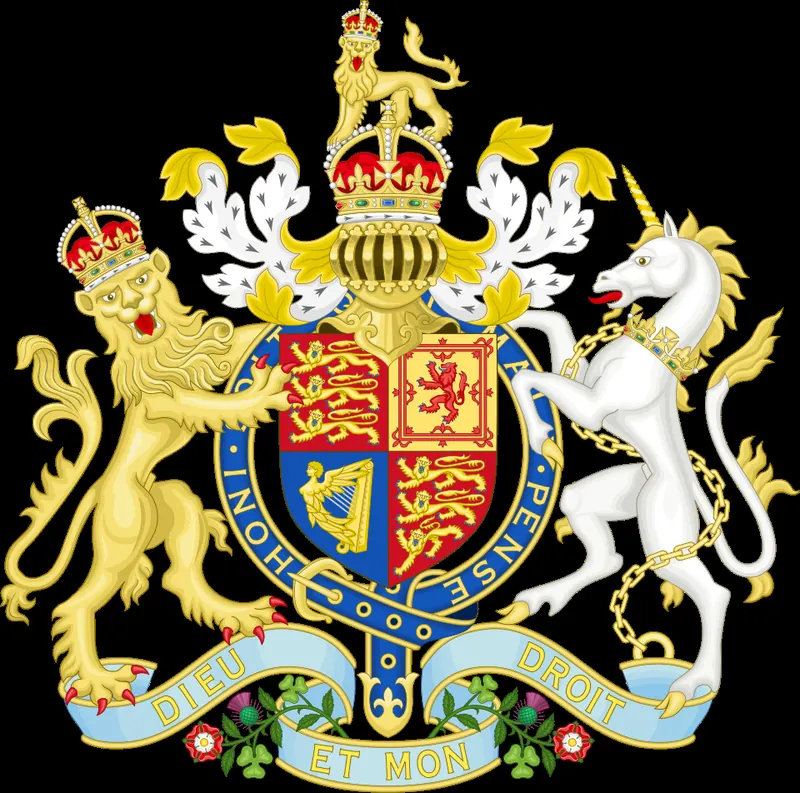
Government of India Act 1919 introduces dyarchy
Sodacan, CC BY-SA 3.0 · Wikimedia Commons

Based on the Montagu-Chelmsford Report, the Act introduced dyarchy in the provinces, including Madras, transferring some subjects to elected ministers.

The Government of India Act 1919 received royal assent on 23 December 1919. Based on the Montagu-Chelmsford Report, it divided provincial subjects into 'reserved' subjects under the Governor and 'transferred' subjects such as education, health and local government under ministers responsible to an enlarged, mostly elected legislative council. In the Madras Presidency the first elections under the Act were held in 1920 and won by the Justice Party, which formed the first ministry. The Act was criticised by nationalists as falling short of self-government.
Related events

  1. 1909

    1. 1909ChennaiLegislation

      Morley-Minto reforms

      The Indian Councils Act 1909 introduced elections to the legislative councils, including Madras, and admitted Indians to the Madras executive council.

  2. 1920

    1. Nov 1920ChennaiPolitics

      Justice Party wins first Madras Legislative Council election

      The Justice Party won the first election held under the Montagu-Chelmsford dyarchy reforms in the Madras Presidency.

    2. 1920ChennaiEducation

      Madras Elementary Education Act

      A Madras statute made elementary schooling compulsory for both boys and girls and raised spending on primary schools.

  3. 1922

    1. 1922ChennaiIndustry

      Madras State Aid to Industries Act

      The Justice Party government passed a law to advance state loans for setting up industries in the Presidency.

  4. 1923

    1. 1923ChennaiPolitics

      Justice Party wins second council election

      The Justice Party retained power in the 1923 Madras Legislative Council election despite internal dissent.

  5. 1926

    1. 4 Dec 1926 to 27 Oct 1930ChennaiPolitics

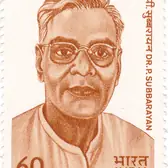
      P. Subbarayan forms independent ministry

      After the Swaraj Party won the 1926 election but declined office, P. Subbarayan formed a ministry of independents with nominated support.

Open in the timeline explorer