British Rule
105 events, 1800 to 1946; 12 marked as turning points.
1800
One year after Kattabomman was executed, a broad coalition of Tamil palayakkarars and their allies revolted against the East India Company.
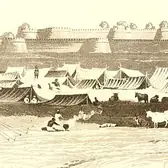
Pudukkottai comes under Company protection
Through a subsidiary alliance, the Tondaiman state of Pudukkottai came under the protection of the East India Company.
1801
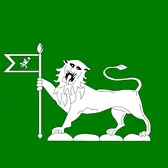
Carnatic Treaty transfers the Carnatic to the Company
Nawab Azim-ud-Daula signed the Carnatic Treaty, handing the civil and military administration of the Carnatic to the East India Company.
1802
Astronomer John Goldingham of the Madras Observatory fixed Madras time at 5 hours 21 minutes ahead of Greenwich.
1803
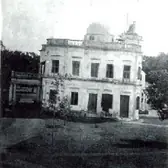
Sivaganga settled on Gowri Vallaba Thevar
After the Maruthu brothers were executed, Sivaganga was settled in 1803 as a permanent estate on Gowri Vallaba Thevar.
1804
Coimbatore district formed with Coimbatore as its capital
Coimbatore district was formed by the Company, with Coimbatore town as its headquarters.
1806
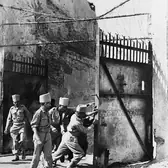
Indian sepoys of the Madras Army rose against the East India Company at Vellore Fort over new dress regulations.
1814
John Binny establishes Binny & Co in Madras
Merchant John Binny, in Madras since 1797, established the firm of Binny & Co, one of the city's oldest mercantile houses.
Hugh Elliot becomes Governor of Madras
Diplomat Hugh Elliot, earlier Governor of the Leeward Islands, governed the Madras Presidency from 1814 to 1820.
1815
Tranquebar handed back to Denmark
Britain returned Tranquebar (Tharangambadi), occupied since 1808 during the Napoleonic Wars, to Danish rule on 20 September 1815.
1819
John Sullivan explores the Nilgiris
Coimbatore Collector John Sullivan set out to explore the Nilgiri hills, leading to the founding of Ootacamund.

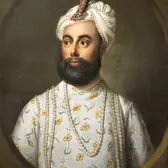
Death of Nawab Azim-ud-Daula; Azam Jah succeeds
Azim-ud-Daula, the Nawab of the Carnatic who had signed away his civil administration to the Company in 1801, died and was succeeded by Azam Jah.
1820
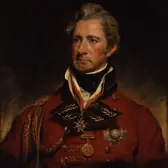
Thomas Munro becomes Governor of Madras
Thomas Munro served as Governor of Madras, establishing revenue and administrative systems that lasted into the twentieth century.
1825
Dutch possessions on the Coromandel Coast pass to Britain
Under the Anglo-Dutch Treaty of 1824, the Dutch ceded their Coromandel settlements, including Pulicat, to the British on 1 June 1825.
1826
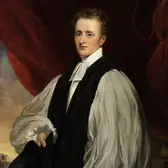
Bishop Reginald Heber dies at Tiruchirappalli
Reginald Heber, Bishop of Calcutta and hymn-writer, died suddenly at Trichinopoly during a tour of South India.
1827
Ootacamund becomes a sanatorium of the Madras Presidency
By 1827 Ootacamund in the Nilgiris had been established as a sanatorium of the Madras Presidency.

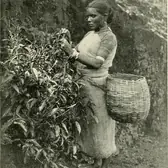
Recruitment of Tamil labourers for Ceylon plantations begins
Labourers from the Tirunelveli, Tiruchi, Madurai and Tanjore areas were recruited for British coffee estates in Ceylon.
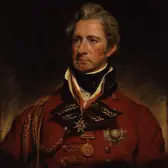
Governor Thomas Munro dies of cholera
Sir Thomas Munro, Governor of Madras and architect of the ryotwari system, died of cholera at Pattikonda while on tour.
1829
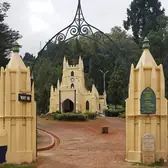
St. Stephen's Church founded at Ooty
St. Stephen's Church at Ootacamund, whose foundation stone Governor Stephen Lushington laid, opened for worship in 1831.
1830
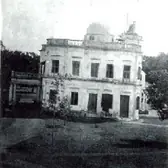
Thomas Glanville Taylor takes charge of the Madras Observatory
T. G. Taylor came to Madras as head of the observatory, where he compiled the Madras Catalogue of Stars.
1831
Madras Pioneers renamed the Madras Sappers and Miners
The Madras Pioneers, raised in 1780, were renamed the Corps of Madras Sappers and Miners in 1831.
1832
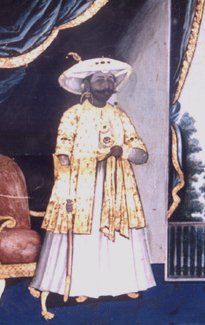
Shivaji II becomes Raja of Thanjavur
Shivaji, son of Serfoji II, was crowned at the Durbar Hall of Tanjore Fort and became the last Raja of Thanjavur.
Founded for Europeans only, the Madras Club is among the oldest gentlemen's clubs in India.
1835
Anglican Diocese of Madras created
Daniel Corrie was consecrated the first Bishop of Madras, and St. George's Church became the cathedral of the new diocese.

1839
Equestrian statue of Thomas Munro unveiled
Francis Chantrey's bronze equestrian statue of Governor Thomas Munro was ceremonially opened on the Island in Madras.

1842
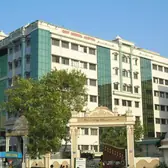
Madras General Hospital opens to Indians
Once reserved for Europeans, the Madras General Hospital moved to a new H-shaped building and admitted Indians.
1845
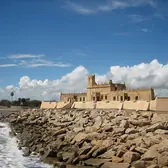
Denmark sells Tranquebar to the British
Denmark sold its settlement of Tranquebar (Tharangambadi) to the East India Company, ending Danish rule on the Tamil coast.
1852
Wellington cantonment established in the Nilgiris
The military station of Jakkatalla in the Nilgiris was renamed Wellington and construction of its barracks began.
1853
Madras Native Association petition read in the House of Lords
The Earl of Ellenborough read the Madras Native Association's catalogue of grievances in the House of Lords.
1858
University of Madras holds its first B.A. examination
The University of Madras, founded in 1857, conducted its first Bachelor of Arts examination; C. W. Damodaram Pillai was among its first candidates.

Lawrence Asylum founded at Lovedale in the Nilgiris
A Lawrence military asylum for the children of British soldiers opened at Lovedale near Ooty; it became the Lawrence School.
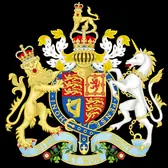
Crown takes over the government of India
Following the Government of India Act 1858, a proclamation by Queen Victoria declared direct Crown rule over British India, the Madras Presidency included.
1860
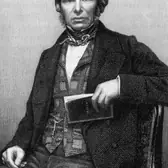
Governor Charles Trevelyan recalled
Madras Governor Sir Charles Trevelyan was recalled after his government publicly opposed James Wilson's new taxation proposals for India.
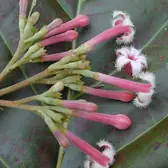
Cinchona introduced to the Nilgiris
Cinchona plants brought from South America by Clements Markham's expedition were planted at Ootacamund as a source of quinine.
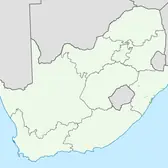
Indentured labourers from Madras arrive in Natal on the Truro
Organised Indian settlement in the British colony of Natal began with the Truro, which brought 342 indentured labourers from Madras.
1861
Indian Councils Act restores Madras legislative powers
Through the Indian Councils Act 1861, the Madras Presidency regained law-making powers and gained an advisory Madras Legislative Council.
1862
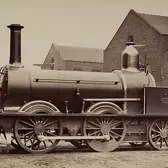
Madras Railway reaches the west coast at Beypore
The Madras Railway completed its line to Beypore, linking Madras by rail with the west coast; a branch to Bangalore followed in 1864.
Indian Penal Code comes into force
Drafted under Macaulay and enacted in 1860, the Indian Penal Code took effect throughout British India, the Madras Presidency included.

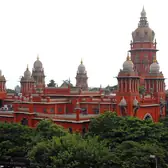
Crown Letters Patent created the High Court of Judicature at Madras in place of the Supreme Court of Madras.
1863
Robert Bruce Foote finds Palaeolithic tool at Pallavaram
Geologist Robert Bruce Foote discovered a Palaeolithic hand axe at Pallavaram near Madras, the first conclusive find of its kind in India.
1864
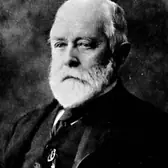
Spencer's begins trading in Madras
Spencer's started as a small business in Madras in 1864 and grew into what was then the largest department store in Asia.
1866
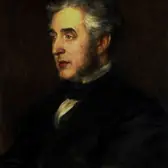
Lord Napier becomes Governor of Madras
Diplomat Francis Napier, 10th Lord Napier, governed the Madras Presidency from 1866 to 1872 and briefly acted as Governor-General.
1868
Nilgiris separated from Coimbatore district
In August 1868 the Nilgiri hills were detached from Coimbatore district and given a commissioner of their own.
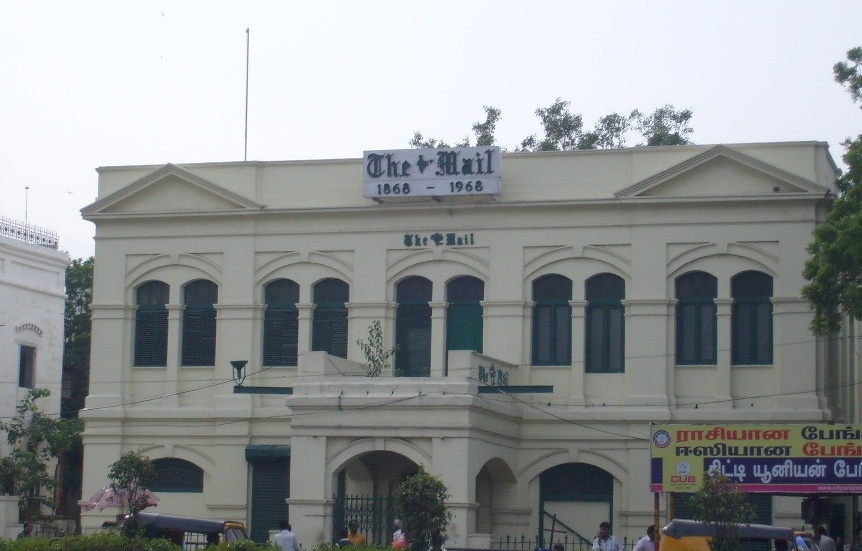
The Madras Mail newspaper founded
Charles Lawson and Henry Cornish started The Madras Mail, an English-language evening daily that was published until 1981.
1869
Napier Bridge built over the Cooum
Planned by Governor Lord Napier, a cast iron lattice bridge went up over the Cooum's mouth, joining Fort St. George to the Marina side.
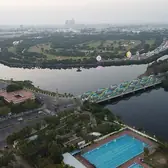
Carnatic Railway Company founded
Founded in 1869, the Carnatic Railway Company combined with the Great Southern of India Railway in 1874 to create the South Indian Railway.
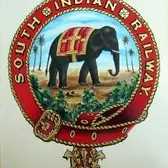
1871
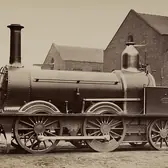
Madras and Bombay linked by rail at Raichur
At Raichur the Madras Railway met the Great Indian Peninsula Railway, opening a through rail route from Madras to Bombay.
1873
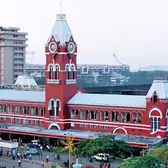
Madras Central railway station built
Designed by George Harding and later altered by Robert Chisholm, Madras Central station was put up by the Madras Railway as its terminus in the city.
1874
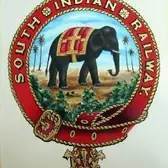
South Indian Railway Company formed
In 1874 the Great Southern of India Railway merged with the Carnatic Railway to create the South Indian Railway Company, later based at Trichinopoly.
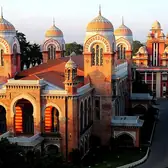
Senate House of the University of Madras completed
Built from 1874 to 1879 to a design by Robert Chisholm, the Senate House on the Marina was an early Indo-Saracenic landmark.
1875
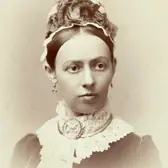
First women students admitted to Madras Medical College
Mary Scharlieb and three other women entered Madras Medical College in 1875, among the first women to study medicine in India.
Madras Observatory begins daily weather reports
The Madras Observatory started issuing daily weather reports, an early step in organised weather forecasting in south India.
Governor Lord Hobart dies in office
Lord Hobart, Governor of Madras since May 1872, died unexpectedly of typhoid at Government House, Madras.
1876
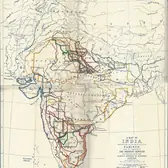
Brought on by drought, a severe famine hit the Madras Presidency and other regions of India, killing millions.
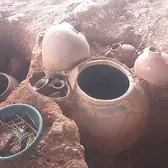
The ancient burial site of Adichanallur near Tirunelveli drew attention in 1876 and was excavated by Alexander Rea between 1899 and 1905.
Red Hills (Puzhal) reservoir built for Madras
The Puzhal reservoir at Red Hills was built to supply water to Madras, and remains one of the city's main reservoirs.
1877
T. Muthuswamy Iyer becomes first Indian judge of Madras High Court
T. Muthuswamy Iyer became the first Indian to be appointed a judge of the Madras High Court, a decision that caused controversy at the time.

1882
Hindu-Muslim riots broke out in Salem over a procession route past a new mosque; the trials that followed made C. Vijayaraghavachariar famous.
1883
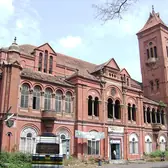
Victoria Public Hall built in Madras
The foundation stone of Victoria Public Hall, the town hall of Madras, was laid in 1883; it was named after Queen Victoria in 1888.
1884
The Madras Mahajana Sabha, an early political association of educated Indians in the Madras Presidency, was formed in 1884.
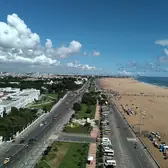
Governor Grant Duff creates the Marina promenade
Governor Mountstuart Elphinstone Grant Duff laid out a promenade along the Madras beach in 1884 and named it the Marina.
1885
Madras delegates at the first Indian National Congress
Of the 72 delegates at the first session of the Indian National Congress in Bombay, 22 came from the Madras Presidency.
1887
Indian National Congress holds first Madras session
The third session of the Indian National Congress met in Madras under the presidency of Badruddin Tyabji.

1889
The Hindu becomes a daily newspaper
The Hindu, founded as a weekly in 1878 by the 'Triplicane Six', began publishing daily in 1889.
1892
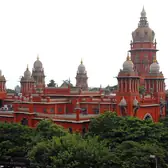
Madras High Court building inaugurated
After three decades in temporary quarters, the Madras High Court moved into its Indo-Saracenic complex, inaugurated on 12 July 1892.
1894
Congress session in Madras presided by Alfred Webb
In December 1894 Madras hosted the tenth Indian National Congress session, presided over by Alfred Webb, an Irish nationalist MP.

1896
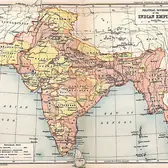
Famine of 1896-1897 reaches the Madras Presidency
A famine that began in Bundelkhand in 1896 spread across India, including parts of the Madras Presidency, where grain exports continued.
1898
Congress session in Madras presided by Ananda Mohan Bose
The fourteenth session of the Indian National Congress met in Madras in December 1898 under Ananda Mohan Bose.

1899
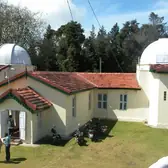
Kodaikanal Solar Observatory founded
Solar research moved from the Madras Observatory to a new observatory at Kodaikanal, where the Evershed effect was discovered in 1909.
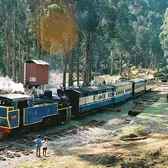
Nilgiri Mountain Railway opens to Coonoor
In June 1899 the Nilgiris rack railway between Mettupalayam and Coonoor was finished and began carrying traffic.
1903
Congress session in Madras presided by Lalmohan Ghosh
The nineteenth Congress session met in Madras in December 1903; president Lalmohan Ghosh called for compulsory primary education.
1904
Kumbakonam Bank, later City Union Bank, incorporated
Kumbakonam Bank Limited was incorporated on 31 October 1904 as a regional bank; it later became City Union Bank.
1907
Pasteur Institute of Southern India opens at Coonoor
The Pasteur Institute of Southern India began work at Coonoor in April 1907 and became a major producer of anti-rabies vaccine.
1908
Congress session in Madras after the Surat split
A year after the Congress split at Surat, the moderate-led Congress met in Madras in December 1908 under Rash Behari Ghosh.

1909
The Indian Councils Act 1909 introduced elections to the legislative councils, including Madras, and admitted Indians to the Madras executive council.
1910
Ramanathapuram district formed
Ramanathapuram (Ramnad) district was created by combining parts of Madurai and Tirunelveli districts.
1914
Congress session in Madras presided by Bhupendra Nath Bose
The Indian National Congress held its 1914 annual session in Madras under Bhupendra Nath Bose, months after the First World War began.
1915
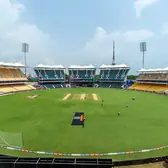
First Madras Presidency cricket match
The Madras Presidency Match, a yearly cricket contest between Europeans and Indians also called the Pongal match, started on the final day of 1915.
1919
Government of India Act 1919 introduces dyarchy
Based on the Montagu-Chelmsford Report, the Act introduced dyarchy in the provinces, including Madras, transferring some subjects to elected ministers.
1920
Police fired on Piramalai Kallar villagers at Perungamanallur near Madurai who resisted registration under the Criminal Tribes Act.
Justice Party wins first Madras Legislative Council election
The Justice Party won the first election held under the Montagu-Chelmsford dyarchy reforms in the Madras Presidency.
A. Subbarayalu Reddiar becomes first Premier of Madras
A. Subbarayalu Reddiar of the Justice Party took office as the first Chief Minister (Premier) of the Madras Presidency.
1921
Madras grants voting rights to women
The Madras Legislative Council resolved to extend the franchise to women, among the first provinces in British India to do so.
Bank of Madras merged into the Imperial Bank of India
The Bank of Madras, one of three Presidency banks, was amalgamated with the banks of Bengal and Bombay to form the Imperial Bank of India.
1923
Justice Party wins second council election
The Justice Party retained power in the 1923 Madras Legislative Council election despite internal dissent.
1926
SS Rajula begins the Madras to Penang and Singapore service
The steamer SS Rajula ran a fortnightly Straits Service from Madras to Penang, Port Klang and Singapore from 1926 to 1972.

S. Srinivasa Iyengar presides over Gauhati Congress
S. Srinivasa Iyengar, a Swarajist leader from Madras, was president of the Indian National Congress at its Gauhati session.

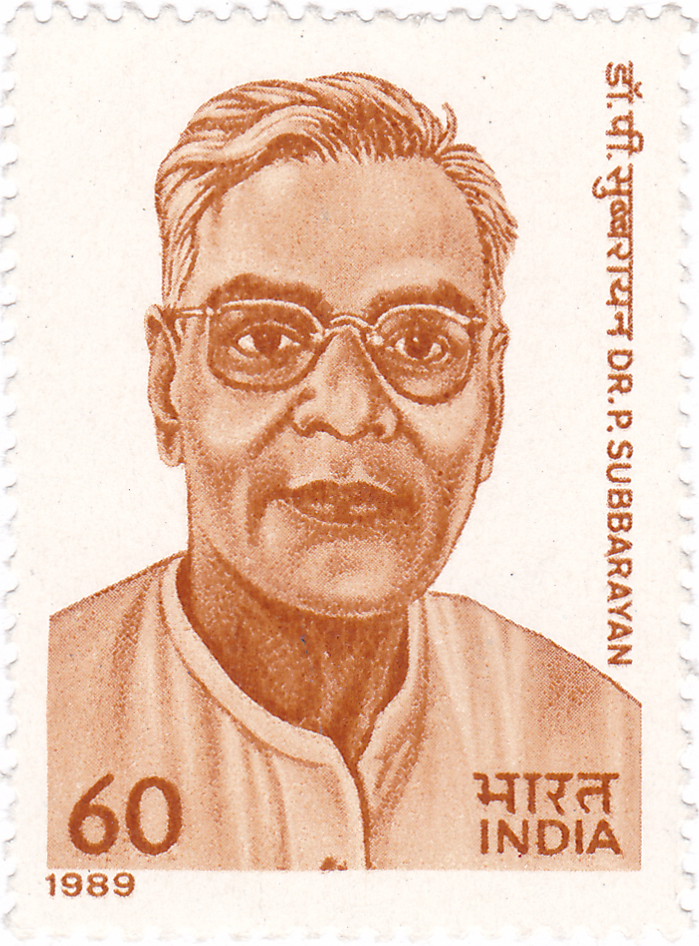
P. Subbarayan forms independent ministry
After the Swaraj Party won the 1926 election but declined office, P. Subbarayan formed a ministry of independents with nominated support.
1927
V. S. Srinivasa Sastri becomes India's Agent in South Africa
The Union of South Africa received its first Agent from India: V. S. Srinivasa Sastri, a Liberal leader from Madras.

Madras session of the Indian National Congress
The annual Congress session held in Madras under M. A. Ansari called for complete independence and a boycott of the Simon Commission.

1928
Simon Commission boycott in Madras
Protesters in Madras demonstrated against the Simon Commission, and T. Prakasam famously defied police during the protest.

1930
C. Rajagopalachari led a march from Tiruchirappalli to Vedaranyam to break the salt law, the Tamil counterpart of the Dandi March.

Rettamalai Srinivasan at the Round Table Conference
Dalit leader Rettamalai Srinivasan represented the depressed classes alongside B. R. Ambedkar at the Round Table Conferences in London.

1932
M. C. Rajah and the Rajah-Moonje Pact
Dalit leader M. C. Rajah of Madras agreed with B. S. Moonje to reserved seats within joint electorates for the depressed classes.
Freedom fighter Tiruppur Kumaran died of injuries from a police assault during a protest march, holding the national flag.

1934
Swarajists largest party in 1934 Madras council election
The Swaraj Party won the most seats in the last dyarchy-era Madras council election but refused office; the Raja of Bobbili stayed on.
1937
Congress wins 1937 Madras Presidency election
The Indian National Congress won a large majority in the first Madras Legislative Assembly election under provincial autonomy, routing the Justice Party.
K. V. Reddi Naidu heads interim ministry
When the Congress hesitated to take office after winning the 1937 election, the Governor installed an interim ministry under K. V. Reddi Naidu.

C. Rajagopalachari forms first Congress ministry
C. Rajagopalachari became Premier of Madras at the head of the first Congress government in the Presidency.

1939
Thyaga Bhoomi released and banned
Thyaga Bhoomi, K. Subramanyam's nationalist film adapted from a Kalki story, was banned by the British administration after release.
Congress ministry resigns over the Second World War
The Rajagopalachari ministry resigned in protest against the Viceroy declaring India at war without consultation, and Governor's rule followed.
1940
Mudumalai Wildlife Sanctuary established
About 60 square km of forest in the Nilgiris district was set aside as the Mudumalai Wildlife Sanctuary.

1946
1946 Madras Presidency election
The Congress won a majority in the 1946 Madras Legislative Assembly election, ending the period of Governor's rule.
A. Ramaswami Mudaliar becomes first ECOSOC president
Arcot Ramaswami Mudaliar, a Justice Party leader from Madras, was the first President of the UN Economic and Social Council.

Royal Indian Navy mutiny reaches Madras
A revolt by Indian ratings of the Royal Indian Navy that began in Bombay spread to ships and shore establishments including Madras.