Congress
84 events, 1878 to 2026; 14 marked as turning points.
1878
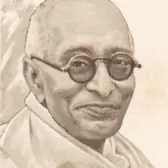
C. Rajagopalachari (Rajaji), later Chief Minister of Madras and the last Governor-General of India, was born at Thorapalli.
1884
The Madras Mahajana Sabha, an early political association of educated Indians in the Madras Presidency, was formed in 1884.
1885
Madras delegates at the first Indian National Congress
Of the 72 delegates at the first session of the Indian National Congress in Bombay, 22 came from the Madras Presidency.
1887
Indian National Congress holds first Madras session
The third session of the Indian National Congress met in Madras under the presidency of Badruddin Tyabji.

1894
Congress session in Madras presided by Alfred Webb
In December 1894 Madras hosted the tenth Indian National Congress session, presided over by Alfred Webb, an Irish nationalist MP.

1898
Congress session in Madras presided by Ananda Mohan Bose
The fourteenth session of the Indian National Congress met in Madras in December 1898 under Ananda Mohan Bose.

1903
Congress session in Madras presided by Lalmohan Ghosh
The nineteenth Congress session met in Madras in December 1903; president Lalmohan Ghosh called for compulsory primary education.
1908
Congress session in Madras after the Surat split
A year after the Congress split at Surat, the moderate-led Congress met in Madras in December 1908 under Rash Behari Ghosh.

1914
Congress session in Madras presided by Bhupendra Nath Bose
The Indian National Congress held its 1914 annual session in Madras under Bhupendra Nath Bose, months after the First World War began.
1917
Madras Presidency Association formed
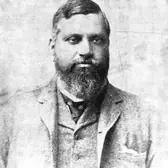
The Madras Presidency Association was set up by non-Brahmin Congressmen to press for non-Brahmin representation inside the national movement.
1919
Periyar joins the Indian National Congress
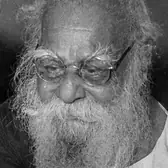
E. V. Ramasamy of Erode, later known as Periyar, joined the Indian National Congress, beginning a political career that later led to the Self-Respect Movement.
Gandhi conceives the Rowlatt hartal in Madras
While staying with C. Rajagopalachari in Madras, Gandhi conceived a nationwide hartal against the Rowlatt Act, observed on 6 April 1919.
1921
Gandhi adopts the loincloth at Madurai
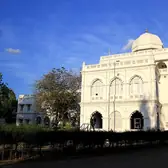
During a tour of the Madras Presidency, Mahatma Gandhi gave up his full attire and began wearing only a loincloth at Madurai.
1924
Cheranmadevi Gurukulam controversy
Separate dining for Brahmin and non-Brahmin students at a Congress-funded gurukulam at Cheranmadevi caused a major controversy.
1925
Periyar leaves Congress and starts the Self-Respect Movement
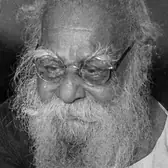
After his resolution on communal representation was not allowed at the Kanchipuram conference, E. V. Ramasamy left the Congress and began the Self-Respect Movement.
1926
S. Srinivasa Iyengar presides over Gauhati Congress
S. Srinivasa Iyengar, a Swarajist leader from Madras, was president of the Indian National Congress at its Gauhati session.

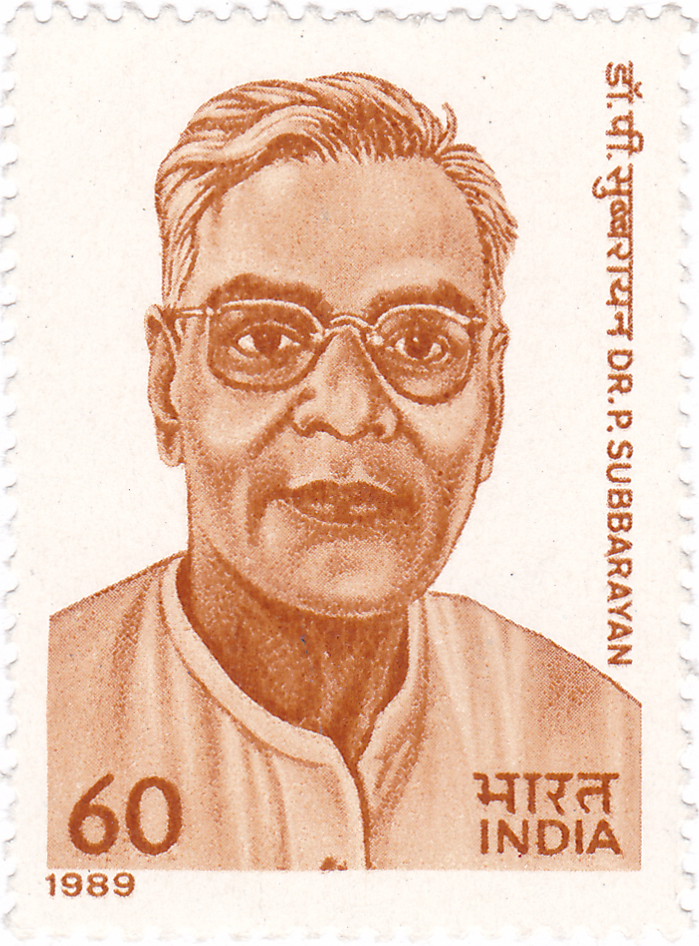
P. Subbarayan forms independent ministry
After the Swaraj Party won the 1926 election but declined office, P. Subbarayan formed a ministry of independents with nominated support.
1927
Nationalists in Madras campaigned for the removal of the statue of Colonel James Neill from Mount Road.

Madras session of the Indian National Congress
The annual Congress session held in Madras under M. A. Ansari called for complete independence and a boycott of the Simon Commission.

1928
Simon Commission boycott in Madras
Protesters in Madras demonstrated against the Simon Commission, and T. Prakasam famously defied police during the protest.

1930
C. Rajagopalachari led a march from Tiruchirappalli to Vedaranyam to break the salt law, the Tamil counterpart of the Dandi March.

1934
Swarajists largest party in 1934 Madras council election
The Swaraj Party won the most seats in the last dyarchy-era Madras council election but refused office; the Raja of Bobbili stayed on.
1937
Prohibition introduced in Salem district
The Rajaji ministry introduced prohibition of liquor in Salem district, the first such experiment in the Presidency.
Congress wins 1937 Madras Presidency election
The Indian National Congress won a large majority in the first Madras Legislative Assembly election under provincial autonomy, routing the Justice Party.
Muthuramalinga Thevar defeats the Raja of Ramnad
As the Congress candidate, Muthuramalinga Thevar beat the Raja of Ramnad in Ramanathapuram in the 1937 election.

K. V. Reddi Naidu heads interim ministry
When the Congress hesitated to take office after winning the 1937 election, the Governor installed an interim ministry under K. V. Reddi Naidu.

C. Rajagopalachari forms first Congress ministry
C. Rajagopalachari became Premier of Madras at the head of the first Congress government in the Presidency.

1938
Madras Agriculturists Relief Act eases peasant debt
A law to reduce the debts of indebted farmers in the Madras Presidency was brought in by the Rajagopalachari ministry.
1939
S. Satyamurti becomes Mayor of Madras
Congress leader S. Satyamurti served as Mayor of Madras and pressed for the Poondi reservoir to improve the city's water supply.
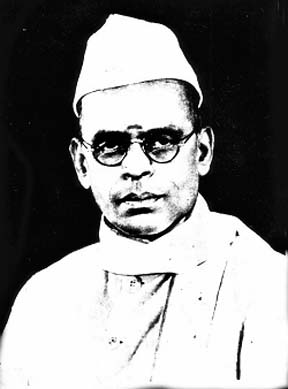
Madras Temple Entry Authorization and Indemnity Act
A law passed by the Rajagopalachari ministry lifted the bars on Dalits and Shanars entering Hindu temples across the Presidency.
Thyaga Bhoomi released and banned
Thyaga Bhoomi, K. Subramanyam's nationalist film adapted from a Kalki story, was banned by the British administration after release.
Dalits enter Madurai Meenakshi Temple
A. Vaidyanatha Iyer led a group of Dalits and Nadars into the Meenakshi Amman Temple, Madurai, defying orthodox opposition.

Subhas Chandra Bose received in Madurai
After launching the Forward Bloc, Subhas Chandra Bose visited Madurai, where Muthuramalinga Thevar organised his reception.

Congress ministry resigns over the Second World War
The Rajagopalachari ministry resigned in protest against the Viceroy declaring India at war without consultation, and Governor's rule followed.
1940
K. Kamaraj becomes TNCC president
K. Kamaraj was elected president of the Tamil Nadu Congress Committee, beginning his rise as the leading Congress organiser in the region.
1941
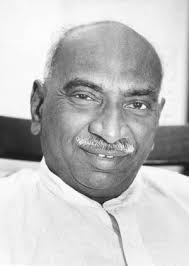
Kamaraj elected Virudhunagar municipal chairman while in jail
While imprisoned for opposing war contributions, K. Kamaraj was elected chairman of the Virudhunagar municipality.
1942
Rajagopalachari resigns from Congress over Pakistan resolution
C. Rajagopalachari left the Congress after his proposals to negotiate with the Muslim League were rejected, and opposed Quit India.
Quit India Movement in the Tamil districts
Congress leaders in the Tamil region were arrested as the Quit India Movement began, followed by strikes, sabotage and police firing.

1943
Congress leader S. Satyamurti, a former Mayor of Madras and mentor of K. Kamaraj, died in Madras.
1944
Rajagopalachari's C. R. formula
C. Rajagopalachari's proposal to resolve the Congress and Muslim League deadlock became the basis of the 1944 Gandhi and Jinnah talks.
1946
1946 Madras Presidency election
The Congress won a majority in the 1946 Madras Legislative Assembly election, ending the period of Governor's rule.
Gandhi presides over Hindi Prachar Sabha silver jubilee
Gandhi came to Madras to preside at the Dakshina Bharat Hindi Prachar Sabha's silver jubilee.
T. Prakasam becomes Premier of Madras
T. Prakasam was elected Congress legislature leader and formed a ministry, defeating the candidate backed by Rajagopalachari.

Madras members join the Constituent Assembly
With a sizeable contingent from the Madras Province, the Constituent Assembly of India held its first sitting in New Delhi.

1947
O. P. Ramaswamy Reddiyar becomes Premier
O. P. Ramaswamy Reddiyar, backed by Kamaraj, became Premier of Madras and led the province through independence.

India becomes independent; Madras Province
India gained independence and the Madras Presidency became Madras Province of the Dominion of India; Periyar called it a day of mourning.

1948
C. Rajagopalachari becomes Governor-General of India
C. Rajagopalachari succeeded Lord Mountbatten as Governor-General, the only Indian to hold the office.
1949
P. S. Kumaraswamy Raja becomes Premier of Madras
P. S. Kumaraswamy Raja succeeded O. P. Ramaswamy Reddiyar as Premier and later became the first Chief Minister of Madras State.

1952
First general election; Rajaji forms government
After the first general election left Congress short of a majority, C. Rajagopalachari was sworn in as Chief Minister of Madras State.
1953
Rajaji's Modified Scheme of Elementary Education
Rajaji's two-shift school scheme, criticised as Kula Kalvi Thittam (hereditary education), triggered protests and was later dropped.
1954
Rajaji and C. V. Raman among first Bharat Ratna recipients
C. Rajagopalachari and the physicist C. V. Raman, both from Tamil Nadu, were among the three first recipients of the Bharat Ratna.
K. Kamaraj becomes Chief Minister
After Rajaji's resignation, K. Kamaraj became Chief Minister of Madras State and served for over nine years.
1955
Congress adopts 'socialistic pattern of society' at Avadi
Meeting at Avadi near Madras, the Indian National Congress adopted a socialistic pattern of society as its stated aim.
1956
Kamaraj expands free schooling and midday meals
The Kamaraj government opened thousands of schools, extended free education and expanded free midday meals for schoolchildren.
1957
DMK contests its first election
Won by Kamaraj's Congress, the 1957 Assembly election was the first in which the DMK took part after its founding.
1959
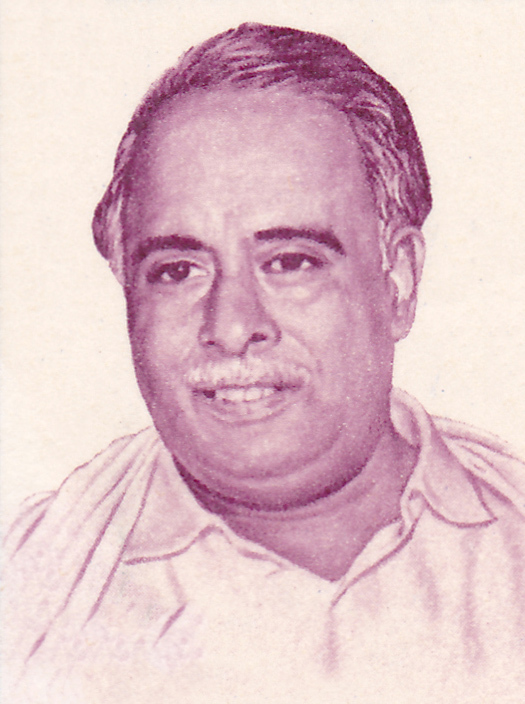
Rajaji founds the Swatantra Party
Leaving the Congress, C. Rajagopalachari launched the Swatantra Party, which went on to ally with the DMK against Congress.

1962
DMK becomes main opposition in 1962 election
Congress under Kamaraj retained power in 1962, while the DMK won 50 seats to become the principal opposition party.
Madras State starts an old-age pension scheme
A monthly pension for destitute old people was introduced by the state, decades ahead of the national old-age pension of 1995.
1963
Kamaraj Plan; M. Bhaktavatsalam becomes Chief Minister
Kamaraj resigned as Chief Minister under his plan for senior leaders to work for the party, and M. Bhaktavatsalam succeeded him.

1964
Kamaraj becomes Congress president and 'kingmaker'
As president of the Indian National Congress, K. Kamaraj guided the selection of two Prime Ministers.
C. Subramaniam becomes Union Food and Agriculture Minister
Under the leadership of C. Subramaniam of Madras, high-yielding seeds were introduced, starting the Green Revolution.

1967
DMK wins the 1967 Assembly election
A DMK-led alliance defeated the Congress, ending Congress rule in Madras State; Kamaraj lost his own seat.
Kamaraj loses his seat to student leader P. Seenivasan
In the 1967 election, Congress president K. Kamaraj was defeated in Virudhunagar by the young DMK candidate P. Seenivasan.
1971
DMK wins 184 seats in the 1971 election
The DMK, allied with Indira Gandhi's Congress, won a landslide in the first Assembly election held under the name Tamil Nadu.

1972
C. Rajagopalachari, once Governor-General, Chief Minister of Madras and founder of the Swatantra Party, died in Madras at 94.
1975
K. Kamaraj, former Chief Minister and Congress president, died in Madras and was awarded the Bharat Ratna posthumously in 1976.
1976
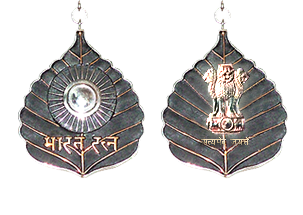
Kamaraj awarded the Bharat Ratna posthumously
Former Chief Minister K. Kamaraj, who died in October 1975, was posthumously awarded the Bharat Ratna.
1977
Congress-AIADMK alliance wins 34 Lok Sabha seats in Tamil Nadu
In the post-Emergency Lok Sabha election, the Congress-AIADMK-CPI alliance won 34 of Tamil Nadu's 39 seats even as the Janata Party took power nationally.
1980
DMK-Congress alliance wins 37 of 39 Lok Sabha seats
The Congress (Indira) and DMK alliance won 37 of Tamil Nadu's 39 Lok Sabha seats, a setback for M. G. Ramachandran's ruling AIADMK.
MGR government dismissed, President's rule imposed
The Union government dismissed the AIADMK ministry and dissolved the Tamil Nadu assembly, imposing President's rule.
AIADMK re-elected, MGR sworn in for second term
Months after the DMK and Congress swept the Lok Sabha polls, the AIADMK won the May 1980 assembly election, bringing MGR back as Chief Minister.
1984
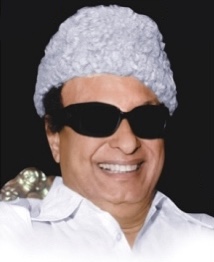
AIADMK wins 1984 election while MGR is in hospital abroad
Contesting from a hospital in the United States, MGR led the AIADMK-Congress alliance to victory in the 1984 assembly election.
1989
Congress-AIADMK alliance wins 38 of 39 Lok Sabha seats
Months after losing the state election, the reunited AIADMK and its ally the Congress won 38 of Tamil Nadu's 39 Lok Sabha seats.
1991
Assassination of Rajiv Gandhi at Sriperumbudur
Former Prime Minister Rajiv Gandhi was killed by an LTTE suicide bomber at an election rally in Sriperumbudur.

Congress-AIADMK alliance sweeps all 39 Lok Sabha seats
In the election during which Rajiv Gandhi was assassinated at Sriperumbudur, the Congress-AIADMK alliance won all 39 Lok Sabha seats in Tamil Nadu.
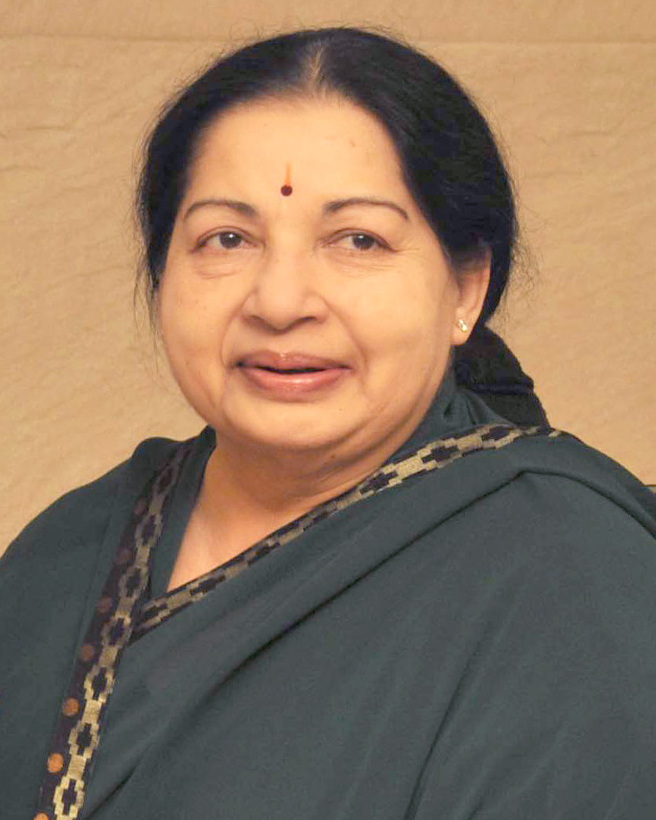
Jayalalithaa becomes Chief Minister for the first time
The AIADMK-Congress alliance swept the June 1991 election and J. Jayalalithaa became Chief Minister, the youngest in the state's history at the time.
1996
G. K. Moopanar forms Tamil Maanila Congress
Opposing the Congress's alliance with the AIADMK, G. K. Moopanar led a breakaway to form the Tamil Maanila Congress.

1997
Jain Commission interim report on the Rajiv Gandhi assassination
Criticism of the DMK over the LTTE in the Jain Commission's interim report prompted Congress to demand the party's exit, bringing down the Gujral government.
1998
C. Subramaniam awarded the Bharat Ratna
Former Union minister C. Subramaniam, a Congress leader from Tamil Nadu who ushered in the Green Revolution, was awarded the Bharat Ratna.
1999
Supreme Court verdict in Rajiv Gandhi assassination case
The Supreme Court upheld the convictions of seven accused in the Rajiv Gandhi assassination case and acquitted the other 19 sentenced by a TADA court.
2004
DMK-led alliance wins all 39 Lok Sabha seats
The DMK-led Democratic Progressive Alliance with the Congress and Left won every Lok Sabha seat in Tamil Nadu and Puducherry; the AIADMK-BJP alliance won none.
2006
DMK forms a minority government
M. Karunanidhi became Chief Minister for the fifth time, heading a DMK government that depended on outside support from the Congress.
2009
DMK-Congress alliance wins 27 of 39 Lok Sabha seats
Against expectations, the DMK, Congress and VCK won 27 of Tamil Nadu's 39 Lok Sabha seats, helping the UPA return to power.
2026
TVK wins most seats in 2026; Vijay becomes Chief Minister
In its first election the TVK became the largest party with 108 seats, and C. Joseph Vijay was sworn in as Chief Minister with the support of allies.
