Politics
152 events, 1801 to 2026; 27 marked as turning points.
1801
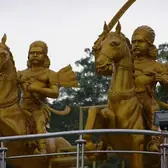
Jambudweep proclamation of the Maruthu brothers
The Maruthu brothers issued a proclamation calling on all people of the peninsula, whatever their religion, to fight the British.
1819
Death of Nawab Azim-ud-Daula; Azam Jah succeeds
Azim-ud-Daula, the Nawab of the Carnatic who had signed away his civil administration to the Company in 1801, died and was succeeded by Azam Jah.
1832
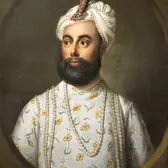
Shivaji II becomes Raja of Thanjavur
Shivaji, son of Serfoji II, was crowned at the Durbar Hall of Tanjore Fort and became the last Raja of Thanjavur.
1844
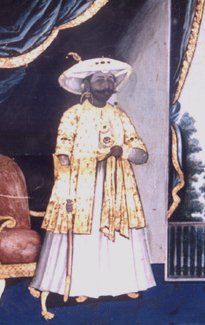
The Crescent, first Indian-owned newspaper in Madras
The Crescent, launched by Gazulu Lakshminarasu Chetty, was the Madras Presidency's first newspaper under Indian ownership.
1852
Madras Native Association founded
One of India's earliest Indian political bodies, the Madras Native Association, was set up by Gazulu Lakshminarasu Chetty.
1853
Madras Native Association petition read in the House of Lords
The Earl of Ellenborough read the Madras Native Association's catalogue of grievances in the House of Lords.
1872
Birth of V. O. Chidambaram Pillai
V. O. Chidambaram Pillai, later the founder of the Swadeshi Steam Navigation Company, was born at Ottapidaram in Tirunelveli district.
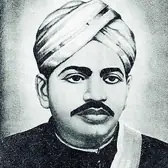
1878
C. Rajagopalachari (Rajaji), later Chief Minister of Madras and the last Governor-General of India, was born at Thorapalli.
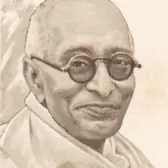
1884
The Madras Mahajana Sabha, an early political association of educated Indians in the Madras Presidency, was formed in 1884.
Subramania Siva, independence activist, writer and associate of V. O. Chidambaram Pillai, was born at Batlagundu.
1885
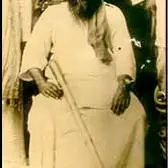
Madras delegates at the first Indian National Congress
Of the 72 delegates at the first session of the Indian National Congress in Bombay, 22 came from the Madras Presidency.
1887
Indian National Congress holds first Madras session
The third session of the Indian National Congress met in Madras under the presidency of Badruddin Tyabji.

1894
Congress session in Madras presided by Alfred Webb
In December 1894 Madras hosted the tenth Indian National Congress session, presided over by Alfred Webb, an Irish nationalist MP.

1898
Congress session in Madras presided by Ananda Mohan Bose
The fourteenth session of the Indian National Congress met in Madras in December 1898 under Ananda Mohan Bose.

1903
Congress session in Madras presided by Lalmohan Ghosh
The nineteenth Congress session met in Madras in December 1903; president Lalmohan Ghosh called for compulsory primary education.
1908
Congress session in Madras after the Surat split
A year after the Congress split at Surat, the moderate-led Congress met in Madras in December 1908 under Rash Behari Ghosh.

1910
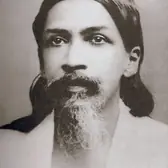
Sri Aurobindo settles in Pondicherry
Facing continued British repression, Bengali nationalist Aurobindo Ghose moved to French Pondicherry in April 1910.
1912
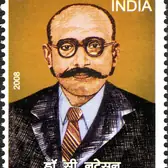
Madras Dravidian Association formed
The Madras United League, founded by C. Natesa Mudaliar in 1912, was renamed the Madras Dravidian Association, an early non-Brahmin political body.
1914
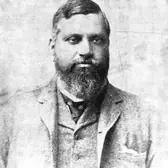
Congress session in Madras presided by Bhupendra Nath Bose
The Indian National Congress held its 1914 annual session in Madras under Bhupendra Nath Bose, months after the First World War began.
1916
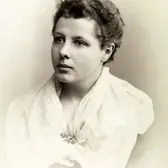
Annie Besant launches the Home Rule League at Adyar
Annie Besant founded the All India Home Rule League at Adyar, Madras, to campaign for self-government within the British Empire.
South Indian Liberal Federation (Justice Party) founded
Non-Brahmin leaders including C. Natesa Mudaliar, T. M. Nair and P. Theagaraya Chetty founded the South Indian Liberal Federation, later known as the Justice Party.
Non-Brahmin Manifesto published
The new non-Brahmin federation issued a manifesto criticising Brahmin dominance in public services and politics, drawing sharp criticism from The Hindu.
1917
Madras Presidency Association formed
The Madras Presidency Association was set up by non-Brahmin Congressmen to press for non-Brahmin representation inside the national movement.
1919
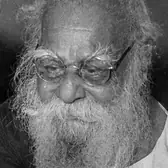
Periyar joins the Indian National Congress
E. V. Ramasamy of Erode, later known as Periyar, joined the Indian National Congress, beginning a political career that later led to the Self-Respect Movement.
1920
Justice Party wins first Madras Legislative Council election
The Justice Party won the first election held under the Montagu-Chelmsford dyarchy reforms in the Madras Presidency.
1921
Gandhi adopts the loincloth at Madurai
During a tour of the Madras Presidency, Mahatma Gandhi gave up his full attire and began wearing only a loincloth at Madurai.
1923
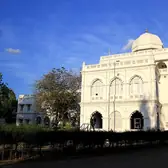
Justice Party wins second council election
The Justice Party retained power in the 1923 Madras Legislative Council election despite internal dissent.
Panagal ministry survives no-confidence motion
On the first day of the new council, a no-confidence motion against the Raja of Panagal's Justice ministry was defeated 65 to 44.
1925
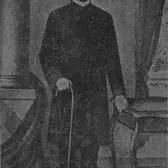
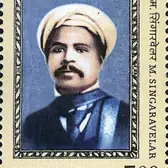
Singaravelar chairs first Communist conference at Kanpur
M. Singaravelu, a labour leader from Madras, presided over the founding convention of the Communist Party of India in Kanpur.
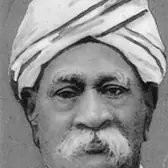
P. Theagaraya Chetty, a founder and leader of the Justice Party and of the non-Brahmin movement, died in Madras.
1926
S. Srinivasa Iyengar presides over Gauhati Congress
S. Srinivasa Iyengar, a Swarajist leader from Madras, was president of the Indian National Congress at its Gauhati session.

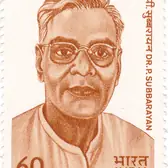
P. Subbarayan forms independent ministry
After the Swaraj Party won the 1926 election but declined office, P. Subbarayan formed a ministry of independents with nominated support.
1927
Madras session of the Indian National Congress
The annual Congress session held in Madras under M. A. Ansari called for complete independence and a boycott of the Simon Commission.
1928
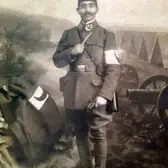
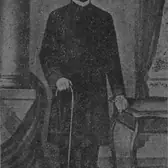
Panaganti Ramarayaningar, the Raja of Panagal and Justice Party First Minister from 1921 to 1926, died in Madras.
1930
Muthulakshmi Reddy resigns over Gandhi's arrest
Muthulakshmi Reddy resigned from the Madras Legislative Council in protest against the arrest of Mahatma Gandhi during civil disobedience.
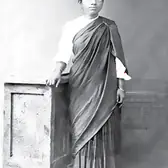
Justice Party returns to power under B. Munuswamy Naidu
The Justice Party won the 1930 election, boycotted by the Congress, and B. Munuswamy Naidu became Premier.
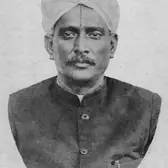
Rettamalai Srinivasan at the Round Table Conference
Dalit leader Rettamalai Srinivasan represented the depressed classes alongside B. R. Ambedkar at the Round Table Conferences in London.

1931
Periyar tours Europe and the Soviet Union
Periyar E. V. Ramasamy toured Europe and spent three months in the Soviet Union, an experience that shaped his later politics.
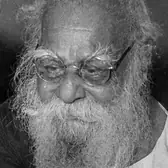
1932
M. C. Rajah and the Rajah-Moonje Pact
Dalit leader M. C. Rajah of Madras agreed with B. S. Moonje to reserved seats within joint electorates for the depressed classes.
Raja of Bobbili becomes Premier
The Raja of Bobbili, a zamindar, replaced B. Munuswamy Naidu as Premier and led the last Justice Party ministry before 1937.
1933
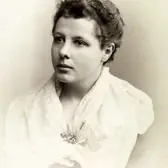
Death of Annie Besant at Adyar
Annie Besant, Theosophical Society president and Home Rule leader, died at Adyar in Madras.
1934
Swarajists largest party in 1934 Madras council election
The Swaraj Party won the most seats in the last dyarchy-era Madras council election but refused office; the Raja of Bobbili stayed on.
1936
P. T. Rajan becomes First Minister
For a few months, while the Raja of Bobbili was on leave, Justice Party leader P. T. Rajan was First Minister of the Madras Presidency.

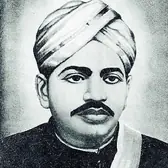
Death of V. O. Chidambaram Pillai
Nationalist pioneer V. O. Chidambaram Pillai, who had started the Swadeshi Steam Navigation Company, died in Thoothukudi.
1937
Congress wins 1937 Madras Presidency election
The Indian National Congress won a large majority in the first Madras Legislative Assembly election under provincial autonomy, routing the Justice Party.
Muthuramalinga Thevar defeats the Raja of Ramnad
As the Congress candidate, Muthuramalinga Thevar beat the Raja of Ramnad in Ramanathapuram in the 1937 election.
1938
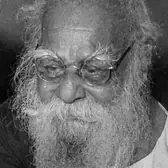
Periyar jailed and elected Justice Party president
E. V. Ramasamy was imprisoned for his role in the anti-Hindi agitation and was elected president of the Justice Party while in jail.
1939
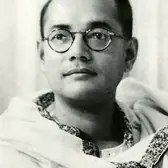
Subhas Chandra Bose received in Madurai
After launching the Forward Bloc, Subhas Chandra Bose visited Madurai, where Muthuramalinga Thevar organised his reception.
Congress ministry resigns over the Second World War
The Rajagopalachari ministry resigned in protest against the Viceroy declaring India at war without consultation, and Governor's rule followed.
Periyar raises 'Dravida Nadu for Dravidians'
Periyar swapped the slogan 'Tamil Nadu for Tamils' for 'Dravida Nadu for Dravidians', setting the Justice Party on a separatist course.

1940
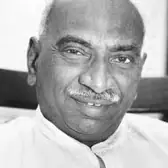
K. Kamaraj becomes TNCC president
K. Kamaraj was elected president of the Tamil Nadu Congress Committee, beginning his rise as the leading Congress organiser in the region.
1941
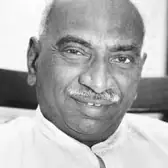
Kamaraj elected Virudhunagar municipal chairman while in jail
While imprisoned for opposing war contributions, K. Kamaraj was elected chairman of the Virudhunagar municipality.
1942
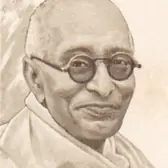
Rajagopalachari resigns from Congress over Pakistan resolution
C. Rajagopalachari left the Congress after his proposals to negotiate with the Muslim League were rejected, and opposed Quit India.
N. Sivaraj becomes first president of the Scheduled Castes Federation
At Nagpur, Madras Dalit leader N. Sivaraj was elected first president of the new All-India Scheduled Castes Federation founded with Ambedkar.

1943
Congress leader S. Satyamurti, a former Mayor of Madras and mentor of K. Kamaraj, died in Madras.
1944
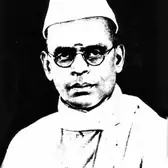
Rajagopalachari's C. R. formula
C. Rajagopalachari's proposal to resolve the Congress and Muslim League deadlock became the basis of the 1944 Gandhi and Jinnah talks.
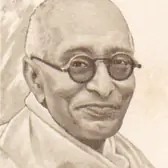
Justice Party becomes Dravidar Kazhagam at Salem
Meeting at Salem, the Justice Party, now led by Periyar, took the name Dravidar Kazhagam and gave up contesting elections.

1946
1946 Madras Presidency election
The Congress won a majority in the 1946 Madras Legislative Assembly election, ending the period of Governor's rule.
Muhammad Ismail leads the Muslim League opposition in Madras
M. Muhammad Ismail, later called Quaid-e-Millath, became Leader of the Opposition in the Madras Legislative Assembly.
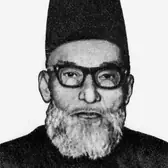
Madras members join the Constituent Assembly
With a sizeable contingent from the Madras Province, the Constituent Assembly of India held its first sitting in New Delhi.
1947
Periyar calls Independence Day a day of mourning
Periyar called for 15 August 1947 to be kept as a day of mourning, a stand Annadurai rejected, deepening the rift between them.
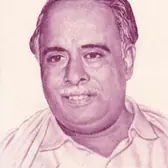
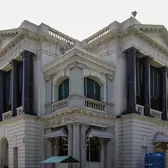
India becomes independent; Madras Province
India gained independence and the Madras Presidency became Madras Province of the Dominion of India; Periyar called it a day of mourning.
1948
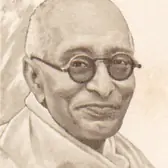
C. Rajagopalachari becomes Governor-General of India
C. Rajagopalachari succeeded Lord Mountbatten as Governor-General, the only Indian to hold the office.
1949
P. S. Kumaraswamy Raja becomes Premier of Madras
P. S. Kumaraswamy Raja succeeded O. P. Ramaswamy Reddiyar as Premier and later became the first Chief Minister of Madras State.

Dravida Munnetra Kazhagam founded
Breaking away from Periyar's Dravidar Kazhagam, C. N. Annadurai and his associates formed the DMK in Madras.

1952
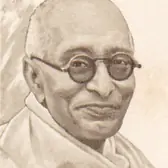
First general election; Rajaji forms government
After the first general election left Congress short of a majority, C. Rajagopalachari was sworn in as Chief Minister of Madras State.
1954
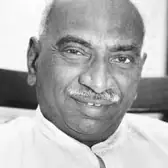
K. Kamaraj becomes Chief Minister
After Rajaji's resignation, K. Kamaraj became Chief Minister of Madras State and served for over nine years.
1955
Congress adopts 'socialistic pattern of society' at Avadi
Meeting at Avadi near Madras, the Indian National Congress adopted a socialistic pattern of society as its stated aim.
1957
DMK contests its first election
Won by Kamaraj's Congress, the 1957 Assembly election was the first in which the DMK took part after its founding.
1959
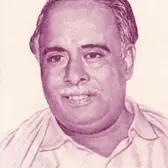
Rajaji founds the Swatantra Party
Leaving the Congress, C. Rajagopalachari launched the Swatantra Party, which went on to ally with the DMK against Congress.
1961
E. V. K. Sampath leaves the DMK and forms the Tamil National Party
E. V. K. Sampath split from the DMK and founded the Tamil National Party with the poet Kannadasan.
1962
Annadurai demands self-determination in the Rajya Sabha
In his Rajya Sabha speeches, C. N. Annadurai stated the DMK case for the right of self-determination for the Dravidian south.
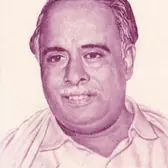
DMK becomes main opposition in 1962 election
Congress under Kamaraj retained power in 1962, while the DMK won 50 seats to become the principal opposition party.
1963
Kamaraj Plan; M. Bhaktavatsalam becomes Chief Minister
Kamaraj resigned as Chief Minister under his plan for senior leaders to work for the party, and M. Bhaktavatsalam succeeded him.
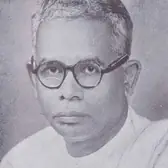
Death of Muthuramalinga Thevar
Forward Bloc leader U. Muthuramalinga Thevar, an influential figure in southern Tamil Nadu, died on the eve of his birthday.
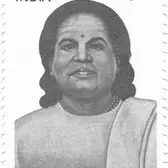
DMK drops demand for a separate Dravida Nadu
After the Sino-Indian War and the anti-secession Sixteenth Amendment, the DMK abandoned its demand for an independent Dravida Nadu.
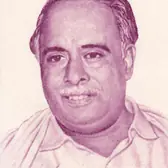
1964
Kamaraj becomes Congress president and 'kingmaker'
As president of the Indian National Congress, K. Kamaraj guided the selection of two Prime Ministers.
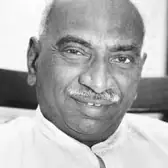
1967
DMK wins the 1967 Assembly election
A DMK-led alliance defeated the Congress, ending Congress rule in Madras State; Kamaraj lost his own seat.
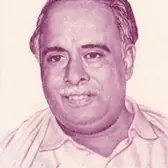
Kamaraj loses his seat to student leader P. Seenivasan
In the 1967 election, Congress president K. Kamaraj was defeated in Virudhunagar by the young DMK candidate P. Seenivasan.
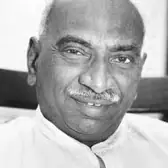
C. N. Annadurai becomes Chief Minister
C. N. Annadurai was sworn in as the first non-Congress Chief Minister of Madras State since independence, heading a DMK government.
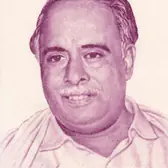
1969
Chief Minister C. N. Annadurai died of cancer; his funeral was recorded as one of the largest ever attended.
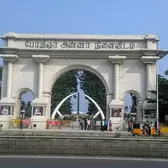
M. Karunanidhi becomes Chief Minister
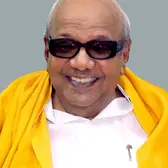
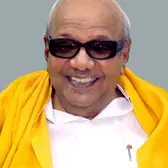
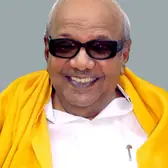
M. Karunanidhi succeeded Annadurai as Chief Minister of Tamil Nadu and later became president of the DMK.
1970
State Autonomy Conference held in Madras
Periyar and leaders from other states joined a State Autonomy Conference in Madras called by Chief Minister Karunanidhi.
1971
DMK wins 184 seats in the 1971 election
The DMK, allied with Indira Gandhi's Congress, won a landslide in the first Assembly election held under the name Tamil Nadu.
1972
MGR expelled from DMK; AIADMK founded
After demanding that DMK ministers declare their assets, M. G. Ramachandran was expelled and launched the Anna DMK.
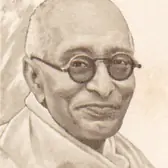
C. Rajagopalachari, once Governor-General, Chief Minister of Madras and founder of the Swatantra Party, died in Madras at 94.
1973
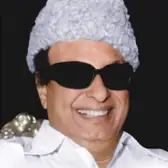
AIADMK wins the Dindigul Lok Sabha by-election
K. Maya Thevar won the Dindigul by-election, giving the newly formed AIADMK its first electoral victory.
1974
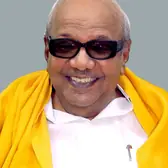
Assembly adopts state autonomy resolution
Chief Minister Karunanidhi moved a resolution in the Assembly demanding state autonomy, based on the Rajamannar Committee's recommendations.
1975
Indira Gandhi's government declared a national Emergency; the DMK government in Tamil Nadu opposed it.
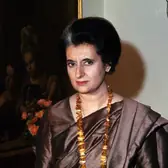
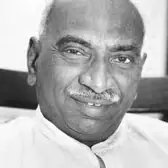
K. Kamaraj, former Chief Minister and Congress president, died in Madras and was awarded the Bharat Ratna posthumously in 1976.
1976
Kamaraj awarded the Bharat Ratna posthumously
Former Chief Minister K. Kamaraj, who died in October 1975, was posthumously awarded the Bharat Ratna.
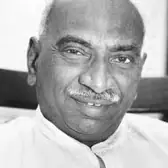
Karunanidhi government dismissed; President's rule imposed
During the Emergency the Union government dismissed the DMK ministry and imposed President's rule in Tamil Nadu.
1977
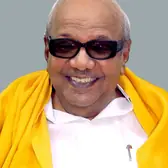
Congress-AIADMK alliance wins 34 Lok Sabha seats in Tamil Nadu
In the post-Emergency Lok Sabha election, the Congress-AIADMK-CPI alliance won 34 of Tamil Nadu's 39 seats even as the Janata Party took power nationally.
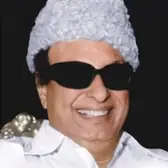
AIADMK wins assembly election, M. G. Ramachandran becomes Chief Minister
The AIADMK-led alliance won the 1977 assembly election and M. G. Ramachandran was sworn in as Chief Minister.
1980
DMK-Congress alliance wins 37 of 39 Lok Sabha seats
The Congress (Indira) and DMK alliance won 37 of Tamil Nadu's 39 Lok Sabha seats, a setback for M. G. Ramachandran's ruling AIADMK.
MGR government dismissed, President's rule imposed
The Union government dismissed the AIADMK ministry and dissolved the Tamil Nadu assembly, imposing President's rule.
AIADMK re-elected, MGR sworn in for second term
Months after the DMK and Congress swept the Lok Sabha polls, the AIADMK won the May 1980 assembly election, bringing MGR back as Chief Minister.
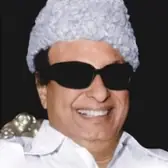
1984
MGR falls ill and is treated in the United States
Kidney failure put Chief Minister M. G. Ramachandran in hospital, and he later had a kidney transplant in New York.
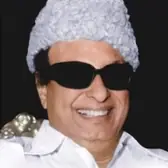
AIADMK wins 1984 election while MGR is in hospital abroad
Contesting from a hospital in the United States, MGR led the AIADMK-Congress alliance to victory in the 1984 assembly election.
1985
Tamil Eelam Supporters Organisation (TESO) formed
TESO was formed in Tamil Nadu to mobilise support for Sri Lankan Tamils, with M. Karunanidhi among its leaders.
1987
Chief Minister M. G. Ramachandran died in office in Madras; he was buried at Marina Beach next to the Anna memorial.
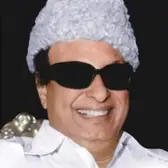
1988
M. G. Ramachandran awarded the Bharat Ratna posthumously
M. G. Ramachandran, the former Chief Minister who had died in December 1987, was honoured posthumously with the Bharat Ratna, India's top civilian award.
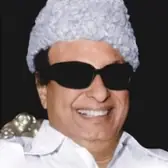
Janaki Ramachandran ministry and President's rule
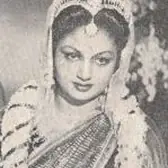
V. N. Janaki became Tamil Nadu's first woman Chief Minister, but her ministry was dismissed within weeks and President's rule followed.
1989
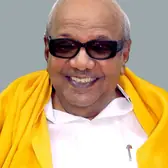
DMK returns to power, Karunanidhi Chief Minister again
After 13 years in opposition, the DMK won the January 1989 assembly election and M. Karunanidhi became Chief Minister for the third time.
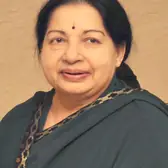
AIADMK factions merge under Jayalalithaa
The two AIADMK factions merged and accepted J. Jayalalithaa as general secretary; she became the first woman Leader of the Opposition in the Assembly.
Clash in the Tamil Nadu Assembly on budget day
DMK and AIADMK members clashed in the Assembly as Karunanidhi rose to present the budget; Jayalalithaa left vowing to return only as Chief Minister.
S. Ramadoss founded the Pattali Makkal Katchi, a party rooted in the Vanniyar Sangam and the 1987 reservation agitation.

Congress-AIADMK alliance wins 38 of 39 Lok Sabha seats
Months after losing the state election, the reunited AIADMK and its ally the Congress won 38 of Tamil Nadu's 39 Lok Sabha seats.
1991
DMK government dismissed under Article 356
The Chandra Shekhar government dismissed the Karunanidhi ministry, citing law and order concerns linked to LTTE activity, and imposed President's rule.
Congress-AIADMK alliance sweeps all 39 Lok Sabha seats
In the election during which Rajiv Gandhi was assassinated at Sriperumbudur, the Congress-AIADMK alliance won all 39 Lok Sabha seats in Tamil Nadu.
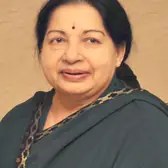
Jayalalithaa becomes Chief Minister for the first time
The AIADMK-Congress alliance swept the June 1991 election and J. Jayalalithaa became Chief Minister, the youngest in the state's history at the time.
1994
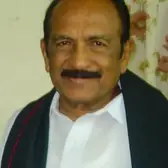
Vaiko founds the MDMK after split from DMK
Expelled from the DMK, Vaiko founded the Marumalarchi Dravida Munnetra Kazhagam (MDMK).
1995
Tamil Nadu Muslim Munnetra Kazhagam founded
The Tamil Nadu Muslim Munnetra Kazhagam (TMMK) was formed as a mass organisation to defend the rights of Muslims in the state.
Wedding of Jayalalithaa's foster son Sudhakaran
More than 150,000 people watched the extravagant Madras wedding of V. N. Sudhakaran, Chief Minister Jayalalithaa's foster son, an event later drawn into corruption cases.
1996
G. K. Moopanar forms Tamil Maanila Congress
Opposing the Congress's alliance with the AIADMK, G. K. Moopanar led a breakaway to form the Tamil Maanila Congress.
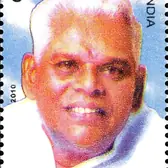
Rajinikanth backs the DMK-TMC alliance
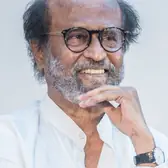
Staying out of politics himself, Rajinikanth warned that 'even God cannot save' Tamil Nadu if Jayalalithaa's party won again, and endorsed the DMK-TMC alliance.
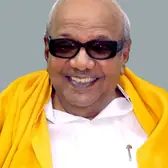
DMK-TMC alliance wins 1996 election
The DMK-TMC alliance won 221 of 234 assembly seats and all 39 Lok Sabha seats; M. Karunanidhi became Chief Minister for the fourth time.
1997
K. Krishnasamy founds Puthiya Tamilagam
Former MLA K. Krishnasamy founded Puthiya Tamilagam, a regional political party in Tamil Nadu.
1998
AIADMK allies with the BJP; NDA wins 30 seats in Tamil Nadu
Breaking its long alliance with the Congress, the AIADMK joined the BJP-led front, which won 30 of Tamil Nadu's 39 Lok Sabha seats.
1999
Viduthalai Chiruthaigal Katchi contests elections for the first time
The Dalit Panthers movement led by Thol. Thirumavalavan, later the VCK, entered electoral politics for the first time in 1999.
AIADMK withdraws support, Vajpayee government falls
The AIADMK's withdrawal of support led to the Vajpayee government losing a confidence vote by a single vote.
DMK allies with the BJP; NDA wins 26 seats in Tamil Nadu
With the AIADMK out of the NDA, the DMK allied with the BJP for the first time and the NDA won 26 of Tamil Nadu's 39 Lok Sabha seats.
2001
AIADMK alliance wins the 2001 Assembly election
The AIADMK-led alliance defeated the DMK government and J. Jayalalithaa was sworn in as Chief Minister for the second time.
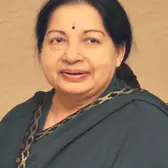
Midnight arrest of M. Karunanidhi
Former Chief Minister M. Karunanidhi was arrested at his Chennai home in the early hours in a case over the construction of city flyovers.
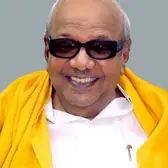
Supreme Court unseats Jayalalithaa, O. Panneerselvam becomes Chief Minister
After the Supreme Court held Jayalalithaa's appointment invalid, O. Panneerselvam served as Chief Minister until she returned in March 2002.
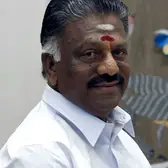
2002
Jayalalithaa returns as Chief Minister after Andipatti by-election
After her acquittal in the TANSI and Pleasant Stay cases, J. Jayalalithaa won the Andipatti by-election and was sworn in again as Chief Minister.
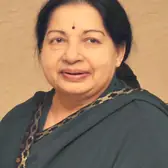
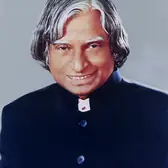
A. P. J. Abdul Kalam becomes President of India
Rameswaram-born scientist A. P. J. Abdul Kalam, backed by both the BJP and the Congress, took office as the 11th President of India.
2004
DMK-led alliance wins all 39 Lok Sabha seats
The DMK-led Democratic Progressive Alliance with the Congress and Left won every Lok Sabha seat in Tamil Nadu and Puducherry; the AIADMK-BJP alliance won none.
2005
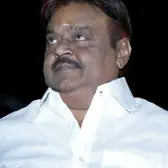
Actor Vijayakanth launched the Desiya Murpokku Dravida Kazhagam at Madurai.
2006
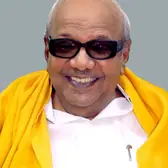
DMK forms a minority government
M. Karunanidhi became Chief Minister for the fifth time, heading a DMK government that depended on outside support from the Congress.
2009
The DMK won the Thirumangalam assembly by-election on a turnout of about 89 percent, amid allegations of cash being paid for votes.
DMK-Congress alliance wins 27 of 39 Lok Sabha seats
Against expectations, the DMK, Congress and VCK won 27 of Tamil Nadu's 39 Lok Sabha seats, helping the UPA return to power.
2011
AIADMK returns to power in 2011
The AIADMK alliance won a large majority and J. Jayalalithaa became Chief Minister for the third time; the DMDK became the main opposition.
2016
Winning a second term in a row, the AIADMK became the first party in power in Tamil Nadu to be returned to office since 1984.
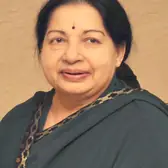
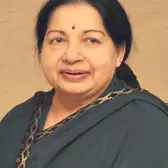
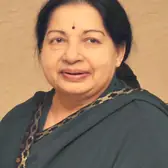
Chief Minister J. Jayalalithaa died at Apollo Hospital, Chennai, after a 75-day hospitalisation; O. Panneerselvam was sworn in the same night.
2017
Sasikala convicted; Edappadi K. Palaniswami becomes Chief Minister
After the Supreme Court restored V. K. Sasikala's conviction, AIADMK legislators chose Edappadi K. Palaniswami as Chief Minister.
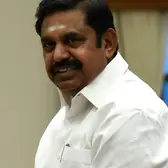
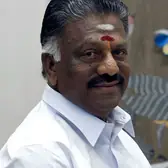
The Palaniswami and Panneerselvam factions of the AIADMK reunited, with Panneerselvam becoming Deputy Chief Minister.
2018
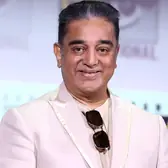
Kamal Haasan founds Makkal Needhi Maiam
Actor Kamal Haasan launched the Makkal Needhi Maiam party at a public meeting in Madurai.
T. T. V. Dhinakaran founds the AMMK
Expelled AIADMK leader T. T. V. Dhinakaran launched the Amma Makkal Munnetra Kazhagam at Melur as a breakaway party.
Former Chief Minister and DMK president M. Karunanidhi died in Chennai and was buried at Marina Beach after a High Court ruling.
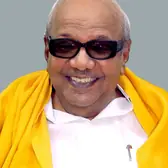
M. K. Stalin elected DMK president
M. K. Stalin was elected unopposed as president of the DMK, succeeding his father M. Karunanidhi.
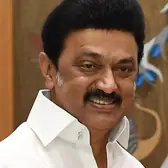
2019
DMK alliance sweeps 2019 Lok Sabha election in Tamil Nadu
The DMK-led Secular Progressive Alliance won 38 of the 39 Lok Sabha seats in Tamil Nadu.
2021
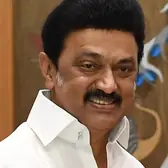
DMK wins 2021 election; M. K. Stalin becomes Chief Minister
The DMK-led alliance won the 2021 Assembly election and M. K. Stalin was sworn in as Chief Minister for the first time.
2022
Edappadi K. Palaniswami takes control of the AIADMK
The AIADMK general council made Edappadi K. Palaniswami interim general secretary and expelled O. Panneerselvam.
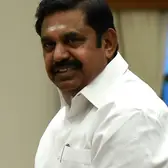
2023
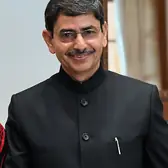
Governor R. N. Ravi walks out of the Assembly
Governor R. N. Ravi left the Assembly after it resolved to record only the government-prepared address, which he had departed from.
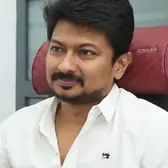
Udhayanidhi Stalin's remarks on Sanatana Dharma
Minister Udhayanidhi Stalin's call to eradicate Sanatana Dharma drew national controversy and court cases.
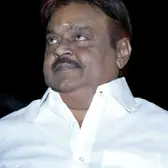
Actor and DMDK founder Vijayakanth, a former Leader of the Opposition, died in Chennai.
2024
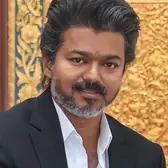
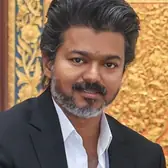
Vijay founds Tamilaga Vettri Kazhagam
Film actor Vijay launched the Tamilaga Vettri Kazhagam party, announcing he would leave cinema for politics.
DMK alliance wins all 39 Lok Sabha seats
The DMK-led INDIA bloc won all 39 Lok Sabha seats in Tamil Nadu; the AIADMK and BJP, contesting separately, won none.
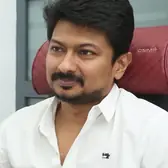
Udhayanidhi Stalin becomes Deputy Chief Minister
Sports Minister Udhayanidhi Stalin, son of M. K. Stalin, was elevated as Deputy Chief Minister of Tamil Nadu.
2025
Joint Action Committee on fair delimitation meets in Chennai
Chief Ministers and leaders from several states met in Chennai at Stalin's call to oppose delimitation based only on population.
2026
TVK wins most seats in 2026; Vijay becomes Chief Minister
In its first election the TVK became the largest party with 108 seats, and C. Joseph Vijay was sworn in as Chief Minister with the support of allies.