Tamil Nadu in the 1920s
48 events, 1920 to 1929; 6 marked as turning points.
1920
Police fired on Piramalai Kallar villagers at Perungamanallur near Madurai who resisted registration under the Criminal Tribes Act.
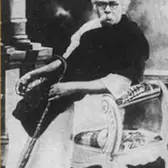
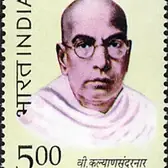
Thiru. Vi. Ka. launches Navasakthi
Tamil scholar and labour leader Thiru. V. Kalyanasundaram started the Tamil weekly Navasakthi.
Madras Elementary Education Act
A Madras statute made elementary schooling compulsory for both boys and girls and raised spending on primary schools.
Madras Corporation starts a school meal scheme
At a corporation school in Thousand Lights, the Madras Corporation started a breakfast scheme that foreshadowed Tamil Nadu's noon meal programmes.
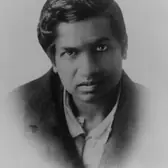
The self-taught mathematician Srinivasa Ramanujan died in Madras at the age of 32, a year after returning from Cambridge.
Justice Party wins first Madras Legislative Council election
The Justice Party won the first election held under the Montagu-Chelmsford dyarchy reforms in the Madras Presidency.
A. Subbarayalu Reddiar becomes first Premier of Madras
A. Subbarayalu Reddiar of the Justice Party took office as the first Chief Minister (Premier) of the Madras Presidency.
1921
Madras grants voting rights to women
The Madras Legislative Council resolved to extend the franchise to women, among the first provinces in British India to do so.
First Communal Government Order on reservation
The Justice Party government issued the first Communal Government Order, reserving government posts for different communities.
Thyagaraja memorial temple at Thiruvaiyaru consecrated
Bangalore Nagarathnamma built a temple over the samadhi of the composer Thyagaraja at Thiruvaiyaru, the site of the annual Aradhana festival.
Bank of Madras merged into the Imperial Bank of India
The Bank of Madras, one of three Presidency banks, was amalgamated with the banks of Bengal and Bombay to form the Imperial Bank of India.
Nadar Bank founded at Thoothukudi
Founded at Thoothukudi, the Nadar Bank was later renamed Tamilnad Mercantile Bank.
Buckingham and Carnatic Mills strike
Workers of the Buckingham and Carnatic Mills in Madras went on a prolonged strike against Binny and Co. over wages and conditions.
Raja of Panagal becomes Premier
Panaganti Ramarayaningar, the Raja of Panagal, succeeded Subbarayalu Reddiar and led two Justice Party ministries until 1926.
Gandhi adopts the loincloth at Madurai
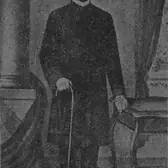
During a tour of the Madras Presidency, Mahatma Gandhi gave up his full attire and began wearing only a loincloth at Madurai.
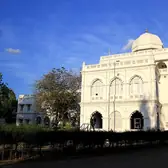
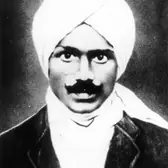
The poet and nationalist Subramania Bharati died in Madras, leaving a body of work central to modern Tamil literature.
1922
Madras State Aid to Industries Act
The Justice Party government passed a law to advance state loans for setting up industries in the Presidency.
Council adopts the term Adi Dravida
Acting on a resolution by M. C. Rajah, the Madras Legislative Council adopted Adi-Dravida officially in place of terms like Paraiya and Panchama.
1923
Justice Party wins second council election
The Justice Party retained power in the 1923 Madras Legislative Council election despite internal dissent.
A fresh Madras University Act enlarged the University of Madras's governing bodies and gave them a more representative character.
First May Day celebration in India
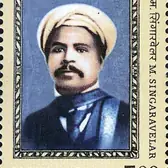
Singaravelar organised the first May Day celebration in India at Madras and launched the Labour Kisan Party of Hindustan.
Panagal ministry survives no-confidence motion
On the first day of the new council, a no-confidence motion against the Raja of Panagal's Justice ministry was defeated 65 to 44.
1924
Cheranmadevi Gurukulam controversy
Separate dining for Brahmin and non-Brahmin students at a Congress-funded gurukulam at Cheranmadevi caused a major controversy.
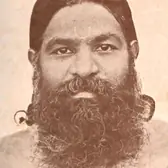
A satyagraha in Travancore demanded that people of oppressed castes be allowed to use the roads around the Vaikom temple; E. V. Ramasamy took part.
1925
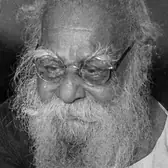
Periyar leaves Congress and starts the Self-Respect Movement
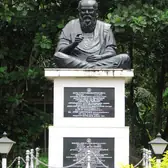
After his resolution on communal representation was not allowed at the Kanchipuram conference, E. V. Ramasamy left the Congress and began the Self-Respect Movement.
Madras Hindu Religious Endowments Act
A law passed under the Justice Party government placed Hindu temple endowments under the oversight of a statutory board.
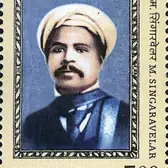
Singaravelar chairs first Communist conference at Kanpur
M. Singaravelu, a labour leader from Madras, presided over the founding convention of the Communist Party of India in Kanpur.
P. Theagaraya Chetty, a founder and leader of the Justice Party and of the non-Brahmin movement, died in Madras.
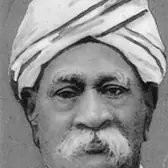
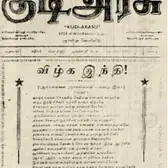
E. V. Ramasamy began publishing the Tamil weekly Kudi Arasu, which became the main voice of the Self-Respect Movement.
Loyola College founded in Madras
Loyola College in Madras, affiliated to the University of Madras, was established by the French Jesuit Francis Bertram.
1926
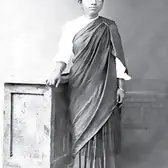
Muthulakshmi Reddy becomes first woman legislator in India
Doctor and reformer Muthulakshmi Reddy was nominated to the Madras Legislative Council, becoming the first woman legislator in British India.
Andhra University established by Madras Act
After a bill carried with Tamil votes, the Madras legislature set up Andhra University for the Presidency's Telugu districts.
SS Rajula begins the Madras to Penang and Singapore service
The steamer SS Rajula ran a fortnightly Straits Service from Madras to Penang, Port Klang and Singapore from 1926 to 1972.
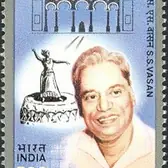
Ananda Vikatan started life as a Tamil monthly, and S. S. Vasan acquired and relaunched it in 1928.
Lakshmi Vilas Bank founded at Karur
Lakshmi Vilas Bank was founded at Karur, one of several private banks started by Tamil business communities in the 1920s.
S. Srinivasa Iyengar presides over Gauhati Congress
S. Srinivasa Iyengar, a Swarajist leader from Madras, was president of the Indian National Congress at its Gauhati session.

P. Subbarayan forms independent ministry
After the Swaraj Party won the 1926 election but declined office, P. Subbarayan formed a ministry of independents with nominated support.
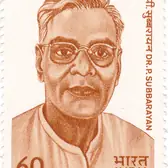
1927
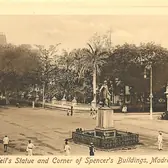
Nationalists in Madras campaigned for the removal of the statue of Colonel James Neill from Mount Road.
V. S. Srinivasa Sastri becomes India's Agent in South Africa
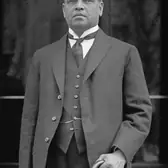
The Union of South Africa received its first Agent from India: V. S. Srinivasa Sastri, a Liberal leader from Madras.
Madras session of the Indian National Congress
The annual Congress session held in Madras under M. A. Ansari called for complete independence and a boycott of the Simon Commission.
1928
Golden Rock railway workshop opens at Tiruchirappalli
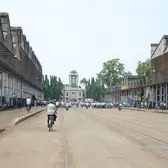
The South Indian Railway moved its central workshop from Nagapattinam to Golden Rock in Tiruchirappalli.
Simon Commission boycott in Madras
Protesters in Madras demonstrated against the Simon Commission, and T. Prakasam famously defied police during the protest.
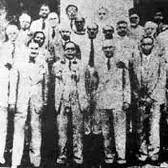
Workers of the South Indian Railway struck against planned layoffs of over 3,100 employees, disrupting transport across South India.
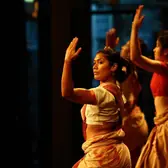
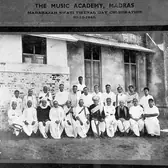
The Music Academy was founded in Madras following the 1927 Congress session and became a leading institution for Carnatic music.
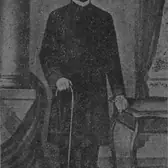
Panaganti Ramarayaningar, the Raja of Panagal and Justice Party First Minister from 1921 to 1926, died in Madras.
1929
Annamalai University was established at Chidambaram through the endowment of Annamalai Chettiar as a residential university.
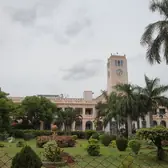
Madras Service Commission set up
Created by a Madras law, the Madras Service Commission was India's first provincial public service commission and the predecessor of TNPSC.
First Provincial Self-Respect Conference at Chengalpattu
The first provincial conference of the Self-Respect Movement at Chengalpattu passed resolutions against caste and for women's rights.