Tamil Nadu in the 1930s
65 events, 1930 to 1939; 5 marked as turning points.
1930
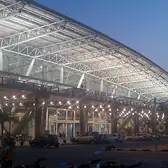
Madras aerodrome and Madras Flying Club begin operations
The Madras Flying Club came into existence and the Madras aerodrome, ancestor of Chennai airport, was commissioned.
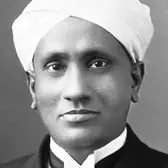
C. V. Raman wins the Nobel Prize in Physics
C. V. Raman, a physicist born in Tiruchirappalli, was awarded the Nobel Prize in Physics for research on light scattering.
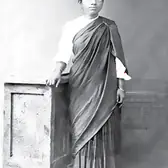
Muthulakshmi Reddy resigns over Gandhi's arrest
Muthulakshmi Reddy resigned from the Madras Legislative Council in protest against the arrest of Mahatma Gandhi during civil disobedience.
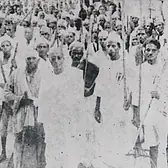
C. Rajagopalachari led a march from Tiruchirappalli to Vedaranyam to break the salt law, the Tamil counterpart of the Dandi March.
Justice Party returns to power under B. Munuswamy Naidu
The Justice Party won the 1930 election, boycotted by the Congress, and B. Munuswamy Naidu became Premier.
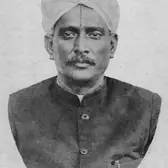
Rettamalai Srinivasan at the Round Table Conference
Dalit leader Rettamalai Srinivasan represented the depressed classes alongside B. R. Ambedkar at the Round Table Conferences in London.

1931
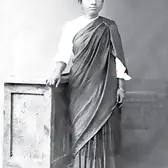
Muthulakshmi Reddy starts Avvai Home
Muthulakshmi Reddy founded the Avvai Home in Madras to shelter and educate orphaned and destitute girls.
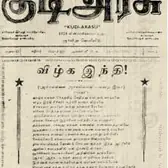
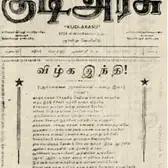
Kudi Arasu editorial on Bhagat Singh's execution
Writing in Kudi Arasu, Periyar faulted Gandhi over Bhagat Singh's execution, a sign of the journal's increasingly leftist stance.
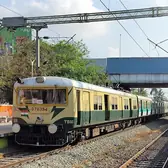
First electric suburban trains in Madras
The first electric suburban rail service in Madras began between Madras Beach and Tambaram.
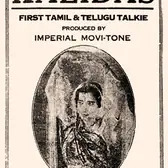
Kalidas, the first Tamil talkie, released
Released in 1931, H. M. Reddy's Kalidas was the first Tamil film with sound and opened the era of Tamil talkies.
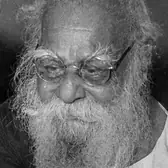
Periyar tours Europe and the Soviet Union
Periyar E. V. Ramasamy toured Europe and spent three months in the Soviet Union, an experience that shaped his later politics.
1932
M. C. Rajah and the Rajah-Moonje Pact
Dalit leader M. C. Rajah of Madras agreed with B. S. Moonje to reserved seats within joint electorates for the depressed classes.
Proposal to rename sadir as Bharatanatyam
E. Krishna Iyer moved a resolution at the Madras Music Academy to rename the dance form sadir as Bharatanatyam.
The Indian Express founded in Madras
P. Varadarajulu Naidu started the English daily The Indian Express in Madras; it was later taken over by Ramnath Goenka.
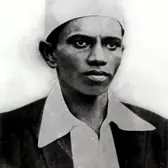
Freedom fighter Tiruppur Kumaran died of injuries from a police assault during a protest march, holding the national flag.
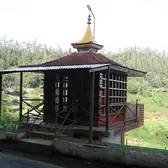
Pykara hydroelectric power station commissioned
The Pykara hydroelectric scheme in the Nilgiris began generating power, the first major hydroelectric project in the Madras Presidency.
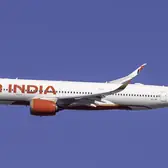
Tata air mail service reaches Madras
Tata Air Lines' inaugural air mail run from Karachi through Bombay went on to Madras, the first scheduled flight to touch down there.
Madras and Southern Mahratta Railway strike
Railway workshop workers at Perambur began a strike against retrenchment that spread across the Madras and Southern Mahratta Railway.
Raja of Bobbili becomes Premier
The Raja of Bobbili, a zamindar, replaced B. Munuswamy Naidu as Premier and led the last Justice Party ministry before 1937.
1933
Manikkodi literary weekly launched
Launched in Madras, the Tamil literary weekly Manikkodi gave modern Tamil short fiction a platform.
Office of Mayor of Madras created
The post of Mayor of Madras was revived and M. A. Muthiah Chettiar became the first holder of the modern office.
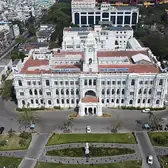
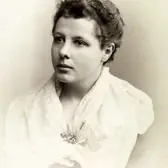
Death of Annie Besant at Adyar
Annie Besant, Theosophical Society president and Home Rule leader, died at Adyar in Madras.
1934
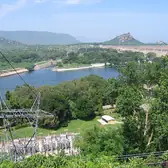
The Mettur Dam across the Cauvery was completed, creating the Stanley Reservoir and expanding irrigation in the delta.
Abhiramam convention against the Criminal Tribes Act
Muthuramalinga Thevar organised a convention at Abhiramam demanding repeal of the Criminal Tribes Act.
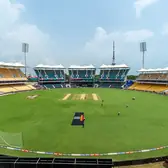
First Test match in Madras at Chepauk
Chepauk in Madras hosted its first Test match, between India and England.
The Tamil daily Dinamani published its first edition on 11 September; it later became part of the Indian Express group.
Swarajists largest party in 1934 Madras council election
The Swaraj Party won the most seats in the last dyarchy-era Madras council election but refused office; the Raja of Bobbili stayed on.
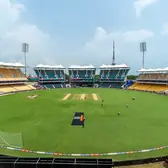
First Ranji Trophy match played at Chepauk
The opening match of the first Ranji Trophy, India's national first-class cricket championship, was played at Chepauk in Madras.
1935
Modern Theatres studio founded at Salem
T. R. Sundaram started Modern Theatres in Salem, a studio that went on to make more than 150 films.
Tamil translation of 'Why I am an Atheist' banned
Bhagat Singh's 'Why I am an Atheist' in Tamil was banned by the Madras government, which also arrested the translator and the publisher.
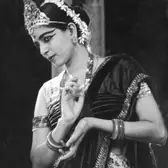
Rukmini Devi's first public Bharatanatyam performance
At the Theosophical Society's Diamond Jubilee convention, Rukmini Devi Arundale danced Bharatanatyam in public for the first time.
Central Studios founded in Coimbatore
Coimbatore industrialists including B. Rangaswamy Naidu and Swamikannu Vincent set up Central Studios for South Indian film production.
Viduthalai began as a Justice Party bi-weekly and became a daily under Periyar in 1937.
1936
University of Madras completes the Tamil Lexicon
The final volume of the University of Madras Tamil Lexicon was published, completing the largest Tamil dictionary of its time.
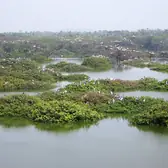
Vedanthangal declared a bird sanctuary
Vedanthangal near Madurantakam was officially declared a wildlife sanctuary, the oldest in India.
Kalakshetra founded by Rukmini Devi Arundale
Rukmini Devi Arundale founded Kalakshetra at Adyar, Madras, an academy for Bharatanatyam and the arts.
Sathi Leelavathi released, M. G. Ramachandran's debut
Ellis R. Dungan's Sathi Leelavathi was released, marking the film debuts of M. G. Ramachandran and other future stars.
P. T. Rajan becomes First Minister
For a few months, while the Raja of Bobbili was on leave, Justice Party leader P. T. Rajan was First Minister of the Madras Presidency.

Travancore Temple Entry Proclamation
The Maharaja of Travancore opened state temples to all Hindus regardless of caste, including temples in present-day Kanyakumari district.
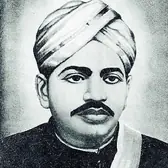
Death of V. O. Chidambaram Pillai
Nationalist pioneer V. O. Chidambaram Pillai, who had started the Swadeshi Steam Navigation Company, died in Thoothukudi.
1937
Prohibition introduced in Salem district
The Rajaji ministry introduced prohibition of liquor in Salem district, the first such experiment in the Presidency.
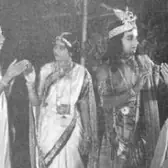
Chintamani runs for a year in a single theatre
Starring M. K. Thyagaraja Bhagavathar, Chintamani was the first Tamil film to stay a full year in one theatre.
G. D. Naidu builds India's first indigenous electric motor
Coimbatore inventor G. D. Naidu, working with D. Balasundaram, developed India's first indigenous electric motor.
Madras Christian College moves to Tambaram
After a century in the city centre, Madras Christian College moved to a large new campus at Tambaram.
Congress wins 1937 Madras Presidency election
The Indian National Congress won a large majority in the first Madras Legislative Assembly election under provincial autonomy, routing the Justice Party.
Muthuramalinga Thevar defeats the Raja of Ramnad
As the Congress candidate, Muthuramalinga Thevar beat the Raja of Ramnad in Ramanathapuram in the 1937 election.
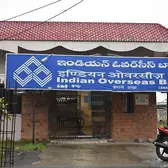
M. Ct. M. Chidambaram Chettiar founded Indian Overseas Bank to serve overseas trade, opening at Karaikudi, Madras and Rangoon.
K. V. Reddi Naidu heads interim ministry
When the Congress hesitated to take office after winning the 1937 election, the Governor installed an interim ministry under K. V. Reddi Naidu.

C. Rajagopalachari forms first Congress ministry
C. Rajagopalachari became Premier of Madras at the head of the first Congress government in the Presidency.
Compulsory Hindi order and first anti-Hindi agitation
The Rajaji government's move to make Hindi compulsory in schools triggered a large anti-Hindi agitation led by Periyar, the Justice Party and Tamil scholars.
1938
Madras Agriculturists Relief Act eases peasant debt
A law to reduce the debts of indebted farmers in the Madras Presidency was brought in by the Rajagopalachari ministry.
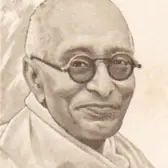
Sevasadanam released, M. S. Subbulakshmi's film debut
K. Subramanyam's reformist film Sevasadanam was released, marking the screen debut of M. S. Subbulakshmi.
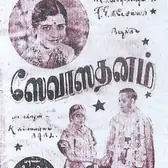
Tamilar Padai march from Tiruchi to Madras
Known as the Tamilar Padai, anti-Hindi protesters marched from Tiruchirappalli to Madras, addressing meetings in towns and villages en route.
Thevar jailed during Pasumalai mill strike
Muthuramalinga Thevar was jailed for seven months while leading a strike at the Mahalakshmi Mills in Pasumalai near Madurai.
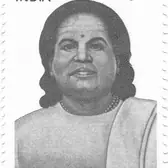
Tamil Nadu Women's Conference backs anti-Hindi agitation
To display women's backing for the protests against compulsory Hindi, a Tamil Nadu Women's Conference met in Madras.
Tambaram World Missionary Conference
Madras Christian College at Tambaram hosted the International Missionary Council's world conference, a landmark in the ecumenical movement.
Periyar jailed and elected Justice Party president
E. V. Ramasamy was imprisoned for his role in the anti-Hindi agitation and was elected president of the Justice Party while in jail.
1939
S. Satyamurti becomes Mayor of Madras
Congress leader S. Satyamurti served as Mayor of Madras and pressed for the Poondi reservoir to improve the city's water supply.
Madras Temple Entry Authorization and Indemnity Act
A law passed by the Rajagopalachari ministry lifted the bars on Dalits and Shanars entering Hindu temples across the Presidency.
Deaths of Natarajan and Thalamuthu in custody
Anti-Hindi protesters L. Natarajan and Thalamuthu died after being jailed, and were claimed as the first martyrs of the anti-Hindi movement.
Thyaga Bhoomi released and banned
Thyaga Bhoomi, K. Subramanyam's nationalist film adapted from a Kalki story, was banned by the British administration after release.
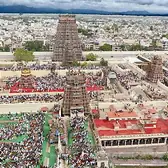
Dalits enter Madurai Meenakshi Temple
A. Vaidyanatha Iyer led a group of Dalits and Nadars into the Meenakshi Amman Temple, Madurai, defying orthodox opposition.
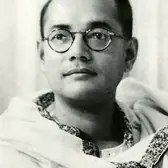
Subhas Chandra Bose received in Madurai
After launching the Forward Bloc, Subhas Chandra Bose visited Madurai, where Muthuramalinga Thevar organised his reception.
Congress ministry resigns over the Second World War
The Rajagopalachari ministry resigned in protest against the Viceroy declaring India at war without consultation, and Governor's rule followed.
Periyar raises 'Dravida Nadu for Dravidians'
Periyar swapped the slogan 'Tamil Nadu for Tamils' for 'Dravida Nadu for Dravidians', setting the Justice Party on a separatist course.