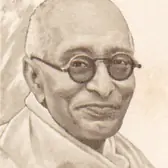
C. Rajagopalachari
24 events, 1878 to 1972; 8 marked as turning points.
1878
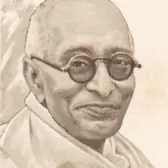
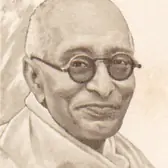
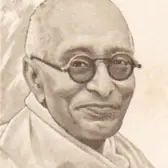
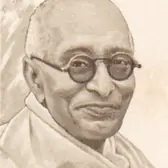
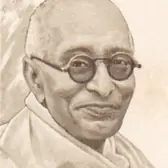
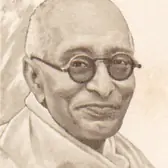
C. Rajagopalachari (Rajaji), later Chief Minister of Madras and the last Governor-General of India, was born at Thorapalli.
1919
Gandhi conceives the Rowlatt hartal in Madras
While staying with C. Rajagopalachari in Madras, Gandhi conceived a nationwide hartal against the Rowlatt Act, observed on 6 April 1919.

1921
Buckingham and Carnatic Mills strike
Workers of the Buckingham and Carnatic Mills in Madras went on a prolonged strike against Binny and Co. over wages and conditions.
1930
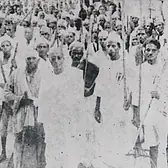
C. Rajagopalachari led a march from Tiruchirappalli to Vedaranyam to break the salt law, the Tamil counterpart of the Dandi March.
1937
Prohibition introduced in Salem district
The Rajaji ministry introduced prohibition of liquor in Salem district, the first such experiment in the Presidency.
Congress wins 1937 Madras Presidency election
The Indian National Congress won a large majority in the first Madras Legislative Assembly election under provincial autonomy, routing the Justice Party.
C. Rajagopalachari forms first Congress ministry
C. Rajagopalachari became Premier of Madras at the head of the first Congress government in the Presidency.
Compulsory Hindi order and first anti-Hindi agitation
The Rajaji government's move to make Hindi compulsory in schools triggered a large anti-Hindi agitation led by Periyar, the Justice Party and Tamil scholars.
1938
Madras Agriculturists Relief Act eases peasant debt
A law to reduce the debts of indebted farmers in the Madras Presidency was brought in by the Rajagopalachari ministry.
1939
Madras Temple Entry Authorization and Indemnity Act
A law passed by the Rajagopalachari ministry lifted the bars on Dalits and Shanars entering Hindu temples across the Presidency.
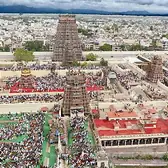
Dalits enter Madurai Meenakshi Temple
A. Vaidyanatha Iyer led a group of Dalits and Nadars into the Meenakshi Amman Temple, Madurai, defying orthodox opposition.
Congress ministry resigns over the Second World War
The Rajagopalachari ministry resigned in protest against the Viceroy declaring India at war without consultation, and Governor's rule followed.
1942
Rajagopalachari resigns from Congress over Pakistan resolution
C. Rajagopalachari left the Congress after his proposals to negotiate with the Muslim League were rejected, and opposed Quit India.
1944
Rajagopalachari's C. R. formula
C. Rajagopalachari's proposal to resolve the Congress and Muslim League deadlock became the basis of the 1944 Gandhi and Jinnah talks.
1946
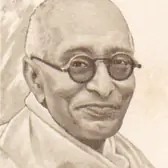
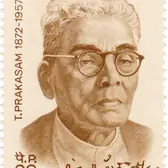
T. Prakasam becomes Premier of Madras
T. Prakasam was elected Congress legislature leader and formed a ministry, defeating the candidate backed by Rajagopalachari.
1948
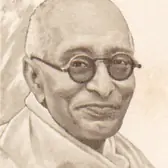
C. Rajagopalachari becomes Governor-General of India
C. Rajagopalachari succeeded Lord Mountbatten as Governor-General, the only Indian to hold the office.
1952
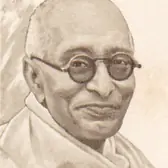
First general election; Rajaji forms government
After the first general election left Congress short of a majority, C. Rajagopalachari was sworn in as Chief Minister of Madras State.
1953
Rajaji's Modified Scheme of Elementary Education
Rajaji's two-shift school scheme, criticised as Kula Kalvi Thittam (hereditary education), triggered protests and was later dropped.
1954
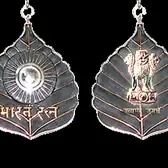
Rajaji and C. V. Raman among first Bharat Ratna recipients
C. Rajagopalachari and the physicist C. V. Raman, both from Tamil Nadu, were among the three first recipients of the Bharat Ratna.
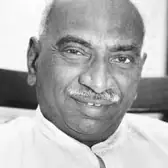
K. Kamaraj becomes Chief Minister
After Rajaji's resignation, K. Kamaraj became Chief Minister of Madras State and served for over nine years.
1959
Rajaji founds the Swatantra Party
Leaving the Congress, C. Rajagopalachari launched the Swatantra Party, which went on to ally with the DMK against Congress.

1967
DMK wins the 1967 Assembly election
A DMK-led alliance defeated the Congress, ending Congress rule in Madras State; Kamaraj lost his own seat.
1971
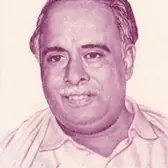
Prohibition suspended in Tamil Nadu
The Karunanidhi government suspended prohibition and permitted the sale of arrack and toddy, before stopping it again in 1974.
1972
C. Rajagopalachari, once Governor-General, Chief Minister of Madras and founder of the Swatantra Party, died in Madras at 94.