Tamil Nadu in the 1830s
22 events, 1830 to 1839.
1830
Porto Novo iron works established
With a loan from the government, Josiah Marshall Heath set up iron and steel works at Porto Novo (Parangipettai) in South Arcot.
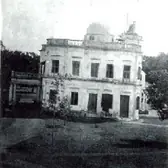
Thomas Glanville Taylor takes charge of the Madras Observatory
T. G. Taylor came to Madras as head of the observatory, where he compiled the Madras Catalogue of Stars.
1831
The first census of the city of Madras was taken in 1831.
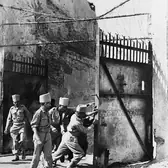
Madras Pioneers renamed the Madras Sappers and Miners
The Madras Pioneers, raised in 1780, were renamed the Corps of Madras Sappers and Miners in 1831.
1832
Guntur famine strikes the Madras Presidency
Crop failures led to a famine that took roughly 150,000 lives in Guntur district and spread as far south as Madras.
Death of Serfoji II of Thanjavur
Serfoji II, Thanjavur's scholarly ruler who had handed its administration to the Company in 1799, passed away.

Shivaji II becomes Raja of Thanjavur
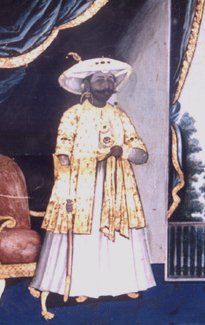
Shivaji, son of Serfoji II, was crowned at the Durbar Hall of Tanjore Fort and became the last Raja of Thanjavur.
Founded for Europeans only, the Madras Club is among the oldest gentlemen's clubs in India.
1833
Ayya Vaikundar begins his mission
Ayya Vaikundar began the teachings that gave rise to Ayyavazhi, a movement that challenged caste rules in southern Travancore.
Charter Act of 1833 centralises lawmaking
The Government of India Act 1833 removed the Madras government's power to make its own laws and centralised it in Calcutta.
1835
Madras Medical College founded
A medical school was opened in Madras that grew into Madras Medical College, one of the oldest in Asia.
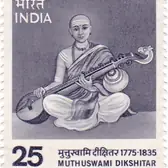
Death of composer Muthuswami Dikshitar
Muthuswami Dikshitar, one of the Trinity of Carnatic music, died at Ettayapuram on Deepavali day.
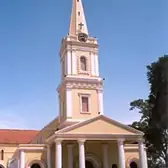
Anglican Diocese of Madras created
Daniel Corrie was consecrated the first Bishop of Madras, and St. George's Church became the cathedral of the new diocese.

1836
Red Hill Railway carries granite to Madras
Built by Arthur Cotton as an early experiment, the Red Hill Railway hauled granite from Red Hills into Madras for road works.
Arthur Cotton builds the Upper Anaicut at Mukkombu
Arthur Cotton built the Upper Anaicut regulator where the Kollidam branches from the Kaveri, between 1836 and 1838.
Madras Chamber of Commerce founded
The Madras Chamber of Commerce was set up at the Binny & Co. office by merchants from the Parry, Binny and Arbuthnot firms.
1837
General Assembly's School, origin of Madras Christian College
Scottish missionary John Anderson opened the General Assembly's School in Madras, which grew into Madras Christian College.
1838
Ayya Vaikundar imprisoned by the Travancore king
Ayya Vaikundar, founder of Ayyavazhi, was arrested on the orders of the Travancore king and held at Singarathoppe jail.
Robert Caldwell arrives in Madras
Robert Caldwell, who would go on to write the Comparative Grammar of the Dravidian languages, reached Madras as a missionary.
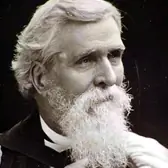
Death of missionary C. T. E. Rhenius at Palayamkottai
C. T. E. Rhenius, the missionary known as the Apostle of Tirunelveli, died at Palayamkottai.
1839
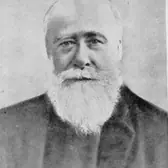
G. U. Pope begins mission work at Sawyerpuram
In 1839 George Uglow Pope set sail for South India and took up missionary work at Sawyerpuram, close to Thoothukudi.
Equestrian statue of Thomas Munro unveiled
Francis Chantrey's bronze equestrian statue of Governor Thomas Munro was ceremonially opened on the Island in Madras.
