LegislationMadras State (Congress era)

First Amendment enables reservation for backward classes
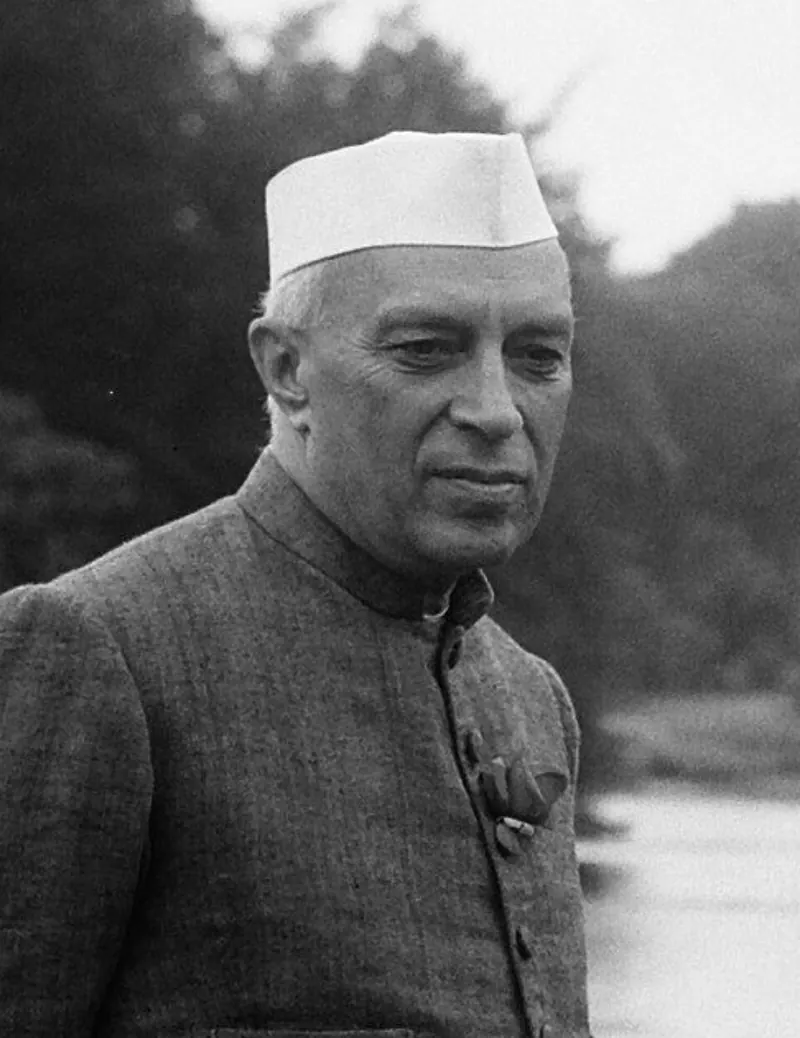
· New Delhi

First Amendment enables reservation for backward classes
Harry Pot, CC0 · Wikimedia Commons

Parliament passed the First Amendment, allowing special provisions for socially and educationally backward classes.

Prime Minister Jawaharlal Nehru moved the First Amendment of the Constitution of India on 10 May 1951, and Parliament enacted it on 18 June 1951. Among other changes it added a clause permitting the state to make special provisions for socially and educationally backward classes, Scheduled Castes and Scheduled Tribes. The amendment was a response to the Champakam Dorairajan judgement and to protests in Madras State against it. It restored the legal basis for caste-based reservation in education in Tamil Nadu and the rest of India.


Related events

  1. 1946

    1. 9 Dec 1946New DelhiPolitics

      Madras members join the Constituent Assembly

      With a sizeable contingent from the Madras Province, the Constituent Assembly of India held its first sitting in New Delhi.

  2. 1951

    1. Apr 1951New DelhiLaw Justice

      Supreme Court strikes down the Communal G.O. in Champakam Dorairajan case

      Madras State's caste-based Communal Government Order on college admissions was struck down by the Supreme Court.

  3. 1962

    1. 1962New DelhiPolitics

      Annadurai demands self-determination in the Rajya Sabha

      In his Rajya Sabha speeches, C. N. Annadurai stated the DMK case for the right of self-determination for the Dravidian south.

  4. 1963

    1. Nov 1963ChennaiPolitics

      DMK drops demand for a separate Dravida Nadu

      After the Sino-Indian War and the anti-secession Sixteenth Amendment, the DMK abandoned its demand for an independent Dravida Nadu.

    2. 10 May 1963New DelhiLanguage

      Official Languages Act passed

      Parliament passed the Official Languages Act to allow continued use of English alongside Hindi after 1965.

  5. 1994

    1. Aug 1994ChennaiLegislation

      69% reservation Act placed in the Ninth Schedule

      Through the 76th Amendment, the Constitution's Ninth Schedule came to include Tamil Nadu's 1993 law that kept reservation at 69%.

Open in the timeline explorer