Dravidian Movement
53 events, 1856 to 2008; 18 marked as turning points.
1856
Caldwell's Comparative Grammar of the Dravidian languages
With his Comparative Grammar, Robert Caldwell showed that the Dravidian languages make up a separate language family.
1877
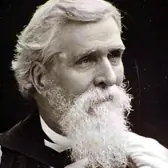
Robert Caldwell consecrated Bishop of Tirunelveli
Missionary and Dravidian scholar Robert Caldwell, based at Idaiyangudi, was consecrated as a bishop for the Tirunelveli mission.
1879
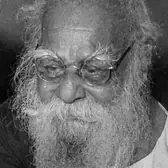
Birth of E. V. Ramasamy (Periyar)
E. V. Ramasamy, later known as Periyar, founder of the Self-Respect Movement and the Dravidar Kazhagam, was born at Erode.
1891
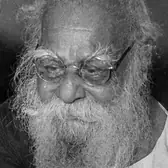
Iyothee Thass founds the Dravida Mahajana Sabha
Iyothee Thass founded the Dravida Mahajana Sabha and urged Dalits to record themselves in the census as casteless Dravidians rather than Hindus.
1912
Madras Dravidian Association formed
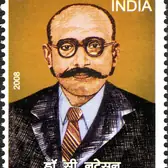
The Madras United League, founded by C. Natesa Mudaliar in 1912, was renamed the Madras Dravidian Association, an early non-Brahmin political body.
1916
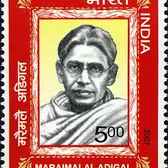
Maraimalai Adigal starts the Pure Tamil movement
Maraimalai Adigal pledged to use Tamil free of Sanskrit loanwords, starting the Tanittamil Iyakkam (Pure Tamil movement).
South Indian Liberal Federation (Justice Party) founded
Non-Brahmin leaders including C. Natesa Mudaliar, T. M. Nair and P. Theagaraya Chetty founded the South Indian Liberal Federation, later known as the Justice Party.
Non-Brahmin Manifesto published
The new non-Brahmin federation issued a manifesto criticising Brahmin dominance in public services and politics, drawing sharp criticism from The Hindu.
1917
Madras Presidency Association formed
The Madras Presidency Association was set up by non-Brahmin Congressmen to press for non-Brahmin representation inside the national movement.
1919
Periyar joins the Indian National Congress
E. V. Ramasamy of Erode, later known as Periyar, joined the Indian National Congress, beginning a political career that later led to the Self-Respect Movement.
1920
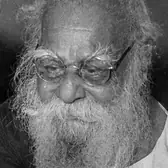
Justice Party wins first Madras Legislative Council election
The Justice Party won the first election held under the Montagu-Chelmsford dyarchy reforms in the Madras Presidency.
A. Subbarayalu Reddiar becomes first Premier of Madras
A. Subbarayalu Reddiar of the Justice Party took office as the first Chief Minister (Premier) of the Madras Presidency.
1921
First Communal Government Order on reservation
The Justice Party government issued the first Communal Government Order, reserving government posts for different communities.
Raja of Panagal becomes Premier
Panaganti Ramarayaningar, the Raja of Panagal, succeeded Subbarayalu Reddiar and led two Justice Party ministries until 1926.
1923
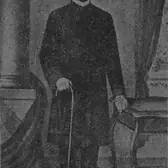
Justice Party wins second council election
The Justice Party retained power in the 1923 Madras Legislative Council election despite internal dissent.
1924
Cheranmadevi Gurukulam controversy
Separate dining for Brahmin and non-Brahmin students at a Congress-funded gurukulam at Cheranmadevi caused a major controversy.
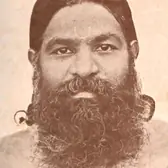
1925
Periyar leaves Congress and starts the Self-Respect Movement
After his resolution on communal representation was not allowed at the Kanchipuram conference, E. V. Ramasamy left the Congress and began the Self-Respect Movement.
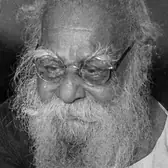
P. Theagaraya Chetty, a founder and leader of the Justice Party and of the non-Brahmin movement, died in Madras.
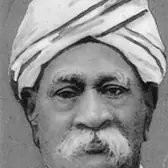
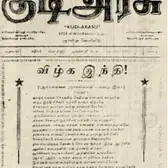
E. V. Ramasamy began publishing the Tamil weekly Kudi Arasu, which became the main voice of the Self-Respect Movement.
1928
Panaganti Ramarayaningar, the Raja of Panagal and Justice Party First Minister from 1921 to 1926, died in Madras.
1929
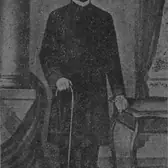
First Provincial Self-Respect Conference at Chengalpattu
The first provincial conference of the Self-Respect Movement at Chengalpattu passed resolutions against caste and for women's rights.
1930
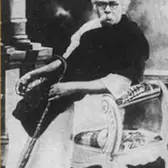
Justice Party returns to power under B. Munuswamy Naidu
The Justice Party won the 1930 election, boycotted by the Congress, and B. Munuswamy Naidu became Premier.
1931
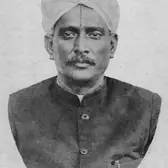
Periyar tours Europe and the Soviet Union
Periyar E. V. Ramasamy toured Europe and spent three months in the Soviet Union, an experience that shaped his later politics.
1932
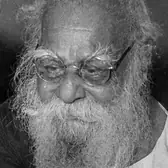
Raja of Bobbili becomes Premier
The Raja of Bobbili, a zamindar, replaced B. Munuswamy Naidu as Premier and led the last Justice Party ministry before 1937.
1935
Viduthalai began as a Justice Party bi-weekly and became a daily under Periyar in 1937.
1936
P. T. Rajan becomes First Minister
For a few months, while the Raja of Bobbili was on leave, Justice Party leader P. T. Rajan was First Minister of the Madras Presidency.

1937
Compulsory Hindi order and first anti-Hindi agitation
The Rajaji government's move to make Hindi compulsory in schools triggered a large anti-Hindi agitation led by Periyar, the Justice Party and Tamil scholars.
1938
Periyar jailed and elected Justice Party president
E. V. Ramasamy was imprisoned for his role in the anti-Hindi agitation and was elected president of the Justice Party while in jail.
1939
Deaths of Natarajan and Thalamuthu in custody
Anti-Hindi protesters L. Natarajan and Thalamuthu died after being jailed, and were claimed as the first martyrs of the anti-Hindi movement.
Periyar raises 'Dravida Nadu for Dravidians'
Periyar swapped the slogan 'Tamil Nadu for Tamils' for 'Dravida Nadu for Dravidians', setting the Justice Party on a separatist course.

1942
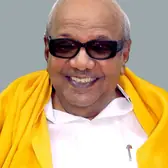
Karunanidhi starts Murasoli at Tiruvarur
An 18-year-old M. Karunanidhi started Murasoli at Tiruvarur as handwritten notices; it later became the DMK's newspaper.
1944
Justice Party becomes Dravidar Kazhagam at Salem
Meeting at Salem, the Justice Party, now led by Periyar, took the name Dravidar Kazhagam and gave up contesting elections.

1947
Periyar calls Independence Day a day of mourning
Periyar called for 15 August 1947 to be kept as a day of mourning, a stand Annadurai rejected, deepening the rift between them.
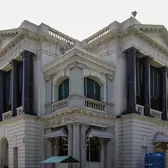
India becomes independent; Madras Province
India gained independence and the Madras Presidency became Madras Province of the Dominion of India; Periyar called it a day of mourning.
1949
Dravida Munnetra Kazhagam founded
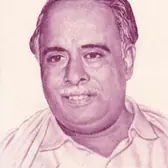
Breaking away from Periyar's Dravidar Kazhagam, C. N. Annadurai and his associates formed the DMK in Madras.

1951
First Amendment enables reservation for backward classes
Parliament passed the First Amendment, allowing special provisions for socially and educationally backward classes.
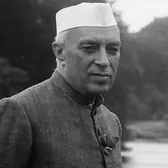
1952
The film Parasakthi, written by M. Karunanidhi and marking Sivaji Ganesan's debut, was released and sparked controversy.
1957
DMK contests its first election
Won by Kamaraj's Congress, the 1957 Assembly election was the first in which the DMK took part after its founding.
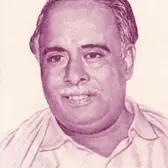
1958
M. G. Ramachandran directed, produced and starred in Nadodi Mannan, a major hit that boosted his popularity and DMK symbolism.
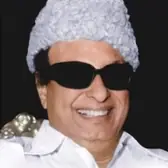
1961
E. V. K. Sampath leaves the DMK and forms the Tamil National Party
E. V. K. Sampath split from the DMK and founded the Tamil National Party with the poet Kannadasan.
1962
Annadurai demands self-determination in the Rajya Sabha
In his Rajya Sabha speeches, C. N. Annadurai stated the DMK case for the right of self-determination for the Dravidian south.
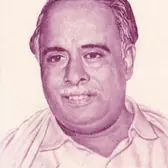
1963
DMK drops demand for a separate Dravida Nadu
After the Sino-Indian War and the anti-secession Sixteenth Amendment, the DMK abandoned its demand for an independent Dravida Nadu.
1967
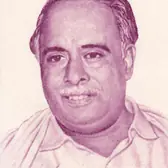
DMK wins the 1967 Assembly election
A DMK-led alliance defeated the Congress, ending Congress rule in Madras State; Kamaraj lost his own seat.
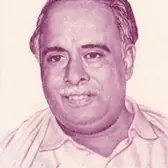
C. N. Annadurai becomes Chief Minister
C. N. Annadurai was sworn in as the first non-Congress Chief Minister of Madras State since independence, heading a DMK government.
1968
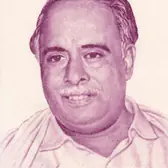
Self-Respect marriages given legal validity
The Hindu Marriage (Tamil Nadu Amendment) Act, 1967 became law, legalising marriages performed without priests or Vedic rituals.
1969
Madras State renamed Tamil Nadu
With the Madras State (Alteration of Name) Act, 1968 in force, the state officially took the name Tamil Nadu.
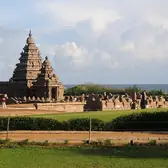
Chief Minister C. N. Annadurai died of cancer; his funeral was recorded as one of the largest ever attended.
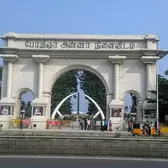
M. Karunanidhi becomes Chief Minister
M. Karunanidhi succeeded Annadurai as Chief Minister of Tamil Nadu and later became president of the DMK.
1973
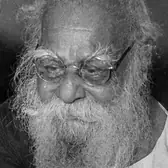
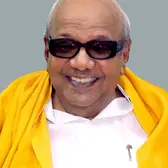
Death of Periyar E. V. Ramasamy
Periyar E. V. Ramasamy, founder of the Self-Respect Movement and leader of the Dravidar Kazhagam, died in Vellore aged 94.
1977
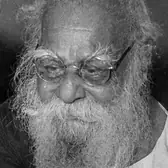
AIADMK wins assembly election, M. G. Ramachandran becomes Chief Minister
The AIADMK-led alliance won the 1977 assembly election and M. G. Ramachandran was sworn in as Chief Minister.
1994
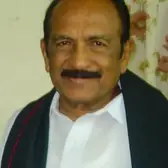
Vaiko founds the MDMK after split from DMK
Expelled from the DMK, Vaiko founded the Marumalarchi Dravida Munnetra Kazhagam (MDMK).
2005
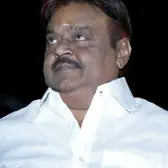
Actor Vijayakanth launched the Desiya Murpokku Dravida Kazhagam at Madurai.
2008
Tamil New Year moved to the first day of Thai
A DMK government law moved Tamil New Year to the first day of the Tamil month of Thai; the change was revoked in 2011.