Governance
77 events, 1800 to 2026; 9 marked as turning points.
1800
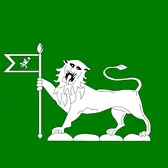
Pudukkottai comes under Company protection
Through a subsidiary alliance, the Tondaiman state of Pudukkottai came under the protection of the East India Company.
1801
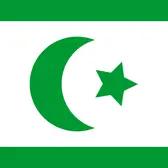
Carnatic Treaty transfers the Carnatic to the Company
Nawab Azim-ud-Daula signed the Carnatic Treaty, handing the civil and military administration of the Carnatic to the East India Company.
1803
Sivaganga settled on Gowri Vallaba Thevar
After the Maruthu brothers were executed, Sivaganga was settled in 1803 as a permanent estate on Gowri Vallaba Thevar.
1804
Coimbatore district formed with Coimbatore as its capital
Coimbatore district was formed by the Company, with Coimbatore town as its headquarters.

1814
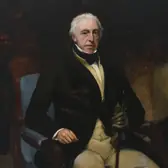
Hugh Elliot becomes Governor of Madras
Diplomat Hugh Elliot, earlier Governor of the Leeward Islands, governed the Madras Presidency from 1814 to 1820.
1819
John Sullivan explores the Nilgiris
Coimbatore Collector John Sullivan set out to explore the Nilgiri hills, leading to the founding of Ootacamund.

1820
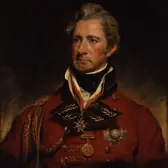
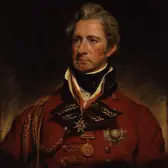
Thomas Munro becomes Governor of Madras
Thomas Munro served as Governor of Madras, establishing revenue and administrative systems that lasted into the twentieth century.
1827
Governor Thomas Munro dies of cholera
Sir Thomas Munro, Governor of Madras and architect of the ryotwari system, died of cholera at Pattikonda while on tour.
1831
The first census of the city of Madras was taken in 1831.
1852
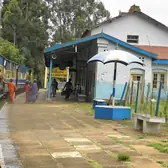
Wellington cantonment established in the Nilgiris
The military station of Jakkatalla in the Nilgiris was renamed Wellington and construction of its barracks began.
1855
Carnatic Nawabship abolished under the Doctrine of Lapse
On the death of the last Nawab, Ghulam Muhammad Ghouse Khan, the Company abolished the Carnatic Nawabship.
Thanjavur annexed under the Doctrine of Lapse
After Raja Shivaji died without a male heir, the Company annexed the titular Maratha principality of Thanjavur.
1858
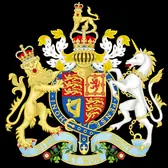
Crown takes over the government of India
Following the Government of India Act 1858, a proclamation by Queen Victoria declared direct Crown rule over British India, the Madras Presidency included.
1860
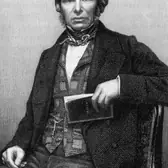
Governor Charles Trevelyan recalled
Madras Governor Sir Charles Trevelyan was recalled after his government publicly opposed James Wilson's new taxation proposals for India.
1866
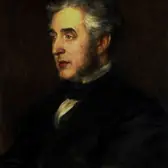
Lord Napier becomes Governor of Madras
Diplomat Francis Napier, 10th Lord Napier, governed the Madras Presidency from 1866 to 1872 and briefly acted as Governor-General.
1868
Nilgiris separated from Coimbatore district
In August 1868 the Nilgiri hills were detached from Coimbatore district and given a commissioner of their own.

1875
Governor Lord Hobart dies in office
Lord Hobart, Governor of Madras since May 1872, died unexpectedly of typhoid at Government House, Madras.
1910
Ramanathapuram district formed
Ramanathapuram (Ramnad) district was created by combining parts of Madurai and Tirunelveli districts.
1913
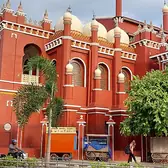
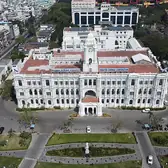
Ripon Building becomes home of the Madras Corporation
The Madras Municipal Corporation moved into the newly completed Ripon Building in 1913; Lord Minto had laid its foundation stone in 1909.
1920
A. Subbarayalu Reddiar becomes first Premier of Madras
A. Subbarayalu Reddiar of the Justice Party took office as the first Chief Minister (Premier) of the Madras Presidency.
1921
Raja of Panagal becomes Premier
Panaganti Ramarayaningar, the Raja of Panagal, succeeded Subbarayalu Reddiar and led two Justice Party ministries until 1926.
1929
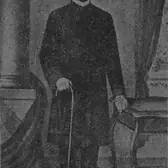
Madras Service Commission set up
Created by a Madras law, the Madras Service Commission was India's first provincial public service commission and the predecessor of TNPSC.

1933
Office of Mayor of Madras created
The post of Mayor of Madras was revived and M. A. Muthiah Chettiar became the first holder of the modern office.

1937
K. V. Reddi Naidu heads interim ministry
When the Congress hesitated to take office after winning the 1937 election, the Governor installed an interim ministry under K. V. Reddi Naidu.

C. Rajagopalachari forms first Congress ministry
C. Rajagopalachari became Premier of Madras at the head of the first Congress government in the Presidency.

1939
S. Satyamurti becomes Mayor of Madras
Congress leader S. Satyamurti served as Mayor of Madras and pressed for the Poondi reservoir to improve the city's water supply.
1946
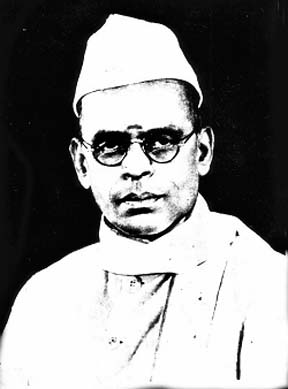
T. Prakasam becomes Premier of Madras
T. Prakasam was elected Congress legislature leader and formed a ministry, defeating the candidate backed by Rajagopalachari.

1947
O. P. Ramaswamy Reddiyar becomes Premier
O. P. Ramaswamy Reddiyar, backed by Kamaraj, became Premier of Madras and led the province through independence.

1948
Pudukkottai princely state merges with the Indian Union
Pudukkottai, the princely state of the Thondaimans, joined India and was made a division of Tiruchirappalli district.

1949
State emblem designed by R. Krishna Rao
Designed in 1949, the Madras government's emblem combined a temple gopuram with the Lion Capital of Ashoka.
1950
Madras State established under the Constitution
With the Constitution of India in force, the Madras Province became Madras State, a Part A state of the Indian Republic.

1953
Andhra State carved out of Madras State
The Telugu-speaking northern districts were separated from Madras State to form Andhra State, with Madras city remaining in Madras State.

1956
States Reorganisation redraws Madras State
Malabar and South Canara left Madras State while Kanyakumari district and Shenkottai taluk were added, leaving a Tamil-majority state.

1960
Tiruttani transferred from Andhra Pradesh to Madras State
Under the Andhra Pradesh and Madras (Alteration of Boundaries) Act, Tiruttani and nearby areas joined Madras State.

1965
Dharmapuri district carved out of Salem
Dharmapuri became the first district created in the state after independence, split from Salem district.

1969
Madras State renamed Tamil Nadu
With the Madras State (Alteration of Name) Act, 1968 in force, the state officially took the name Tamil Nadu.

Rajamannar Committee on Centre-State relations
The DMK government appointed a committee under P. V. Rajamannar to study state autonomy and Centre-State relations.

1971
Madurai becomes a municipal corporation
Madurai became a municipal corporation, the first one set up in Tamil Nadu since independence.

Prohibition suspended in Tamil Nadu
The Karunanidhi government suspended prohibition and permitted the sale of arrack and toddy, before stopping it again in 1974.
1972
Madras Metropolitan Development Authority constituted
A metropolitan development authority was set up to plan Madras city and its suburbs, becoming a statutory body in 1974.
1974
Pudukkottai was made a separate district, combining the former princely state with Aranthangi taluk of Thanjavur district.

Chief Ministers win right to hoist flag on Independence Day
Following Karunanidhi's demand, Chief Ministers won the right to hoist the national flag on Independence Day, and he did so at Fort St. George.

1979
Periyar (Erode) district formed
Erode district, first named Periyar district, was carved out of Coimbatore district.

1981
Coimbatore becomes a municipal corporation
Coimbatore, a municipality since 1866, was raised to municipal corporation status, becoming the third such body in Tamil Nadu.

1985
Ramanathapuram district split into three
Ramanathapuram district was trifurcated into Ramanathapuram, Sivaganga and Virudhunagar districts.

Dindigul district re-established from Madurai
Dindigul district was carved out of Madurai district in September 1985.

1986
Thoothukudi (Tuticorin) district was carved out of Tirunelveli district on 20 October 1986.

1989
North Arcot district split into Vellore and Tiruvannamalai
North Arcot was divided into the Tiruvannamalai Sambuvarayar and North Arcot Ambedkar districts.

1991
Nagapattinam district carved out of Thanjavur
On 19 October 1991, Nagapattinam district was created by splitting the composite Thanjavur district in two.

1993
South Arcot divided into Cuddalore and Viluppuram districts
The South Arcot district was bifurcated, creating Viluppuram district on 30 September 1993.

1994
Tiruchirappalli becomes a municipal corporation
Tiruchirappalli was made a municipal corporation by merging the Srirangam and Golden Rock municipalities.

Salem becomes a municipal corporation
Salem municipality was declared the Salem City Municipal Corporation on 1 June 1994.

Tirunelveli becomes a municipal corporation
Merged with the municipalities of Palayamkottai and Melapalayam, Tirunelveli became a corporation.

1995
Perambalur district carved out of Tiruchirappalli
The composite Tiruchirappalli district was split, forming Perambalur district on 1 January 1995.

1996
Theni district carved out of Madurai
A government order of 7 July 1996 split Madurai district to form Theni district.

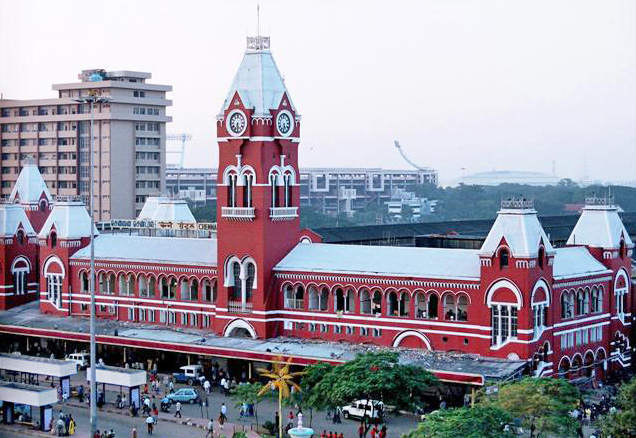
Madras officially renamed Chennai
The Tamil Nadu government officially changed the capital's name from Madras to Chennai.
1997
Chengalpattu district split into Kanchipuram and Tiruvallur
The old Chingleput district was divided into Kanchipuram and Tiruvallur districts in 1997.

Tiruvarur district was formed out of Nagapattinam district, with Valangaiman taluk added from Thanjavur.

Namakkal district begins functioning
Split from Salem district in July 1996, Namakkal district began operating on its own from 1 January 1997.

1998
Cauvery River Authority set up
The Union government set up the Cauvery River Authority, chaired by the Prime Minister with the chief ministers of the basin states, to implement the interim award.
2001
Ariyalur district carved out of Perambalur
Carved from Perambalur district in 2001, Ariyalur district was formed again on 23 November 2007.

2003
Tamil Nadu bans the sale of lotteries
The Jayalalithaa government banned the sale of all lotteries in Tamil Nadu, including those run by agencies from other states.
Mass dismissal of striking government employees under TESMA
The state dismissed between about 170,000 and 200,000 striking government employees and teachers under its Essential Services Maintenance Act.
2004
Krishnagiri district carved out of Dharmapuri
Krishnagiri became the 30th district of Tamil Nadu, taking in the industrial town of Hosur.

2008
Vellore becomes a municipal corporation
Vellore was upgraded from a municipality to a municipal corporation on 1 August 2008.

Tiruppur becomes a municipal corporation
The knitwear town of Tiruppur was upgraded to a municipal corporation on 26 October 2008.

2009
Tiruppur district was carved out of Coimbatore and Erode districts as the 32nd district of Tamil Nadu.

2018
Cauvery Water Management Authority constituted
Following the Supreme Court's final Cauvery verdict, the Union government created the Cauvery Water Management Authority.

2019
Tenkasi district carved out of Tirunelveli
On 22 November 2019, Tenkasi district was carved out of Tirunelveli district.

Kallakurichi, announced on 8 January 2019 as the 33rd district, came into existence on 26 November 2019.

Vellore district trifurcated into Vellore, Ranipet and Tirupattur
Ranipet and Tirupattur districts, carved out of Vellore district, were officially declared on 28 November 2019.

Chengalpattu district carved out of Kanchipuram
Chengalpattu district, taking in Chennai's southern suburbs, came into existence on 29 November 2019.

2020
Mayiladuthurai district carved out of Nagapattinam
Mayiladuthurai became the 38th district of Tamil Nadu, ending the discontiguous shape of Nagapattinam district.

2021
Ungal Thoguthiyil Muthalamaichar grievance department
The new DMK government set up a department to resolve within 100 days the petitions Stalin had collected during his election campaign.

Kumbakonam upgraded to a municipal corporation
On 24 August 2021, Kumbakonam, which had been a municipality since 1866, became a municipal corporation.

2025
Ungaludan Stalin service camps
Stalin launched 10,000 camps to deliver over 40 government services and take petitions at people's doorsteps, starting in Chidambaram.
2026
Vijay government's first orders
On taking office, Chief Minister Vijay signed orders on free household electricity, a women's safety task force and anti-narcotics police stations.
