British Crown rule
After 1858 the British Crown governed the Madras Presidency directly. Railways, ports, canals and dams changed the economy, while the Great Famine of 1876 to 1878 showed how fragile rural life remained.
The period also saw a Tamil literary revival, the spread of newspapers, early anti-caste movements, Swadeshi enterprise and the first steps of organised nationalism and non-Brahmin politics.
138 events, 1858 to 1915; 11 marked as turning points.
1858
University of Madras holds its first B.A. examination
The University of Madras, founded in 1857, conducted its first Bachelor of Arts examination; C. W. Damodaram Pillai was among its first candidates.

Lawrence Asylum founded at Lovedale in the Nilgiris
A Lawrence military asylum for the children of British soldiers opened at Lovedale near Ooty; it became the Lawrence School.
Crown takes over the government of India
Following the Government of India Act 1858, a proclamation by Queen Victoria declared direct Crown rule over British India, the Madras Presidency included.
1860
Governor Charles Trevelyan recalled
Madras Governor Sir Charles Trevelyan was recalled after his government publicly opposed James Wilson's new taxation proposals for India.
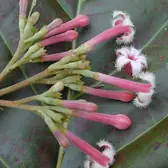
Cinchona introduced to the Nilgiris
Cinchona plants brought from South America by Clements Markham's expedition were planted at Ootacamund as a source of quinine.
Indentured labourers from Madras arrive in Natal on the Truro
Organised Indian settlement in the British colony of Natal began with the Truro, which brought 342 indentured labourers from Madras.
1861
Indian Councils Act restores Madras legislative powers
Through the Indian Councils Act 1861, the Madras Presidency regained law-making powers and gained an advisory Madras Legislative Council.
1862
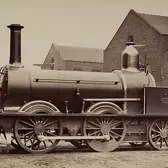
Madras Railway reaches the west coast at Beypore
The Madras Railway completed its line to Beypore, linking Madras by rail with the west coast; a branch to Bangalore followed in 1864.
Indian Penal Code comes into force
Drafted under Macaulay and enacted in 1860, the Indian Penal Code took effect throughout British India, the Madras Presidency included.

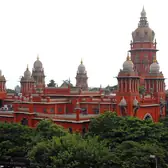
Crown Letters Patent created the High Court of Judicature at Madras in place of the Supreme Court of Madras.
1863
Robert Bruce Foote finds Palaeolithic tool at Pallavaram
Geologist Robert Bruce Foote discovered a Palaeolithic hand axe at Pallavaram near Madras, the first conclusive find of its kind in India.
1864
Spencer's begins trading in Madras
Spencer's started as a small business in Madras in 1864 and grew into what was then the largest department store in Asia.
1865
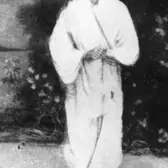
Vallalar starts the Samarasa Vedha Sanmarga Sangam
Vallalar, or Ramalinga Swamigal, formed a fellowship of devotees against caste distinctions, which was later renamed the Samarasa Suddha Sanmarga Sathya Sangam.
1866
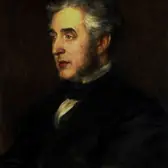
Lord Napier becomes Governor of Madras
Diplomat Francis Napier, 10th Lord Napier, governed the Madras Presidency from 1866 to 1872 and briefly acted as Governor-General.
1867
Vallalar opens the Sathya Dharma Salai at Vadalur
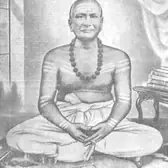
At Vadalur, Ramalinga Swamigal opened a free kitchen for the needy of every caste and lit a stove that was never to be put out.
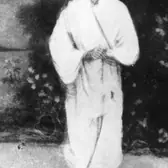
Birth of Tamil theatre pioneer Sankaradas Swamigal
Tuticorin was the birthplace of Sankaradas Swamigal, the playwright whose boys' drama companies trained many Tamil stage and screen artists.
1868
Damodaram Pillai prints Tolkappiyam with Senavaraiyar's commentary
C. W. Damodaram Pillai published the Sollathikaram of the Tolkappiyam with the medieval commentary of Senavaraiyar, an early printed edition of the grammar.
Agricultural school opens at Saidapet
An agricultural school was started at Saidapet, Madras, the institution that later became the agricultural college at Coimbatore.
Nilgiris separated from Coimbatore district
In August 1868 the Nilgiri hills were detached from Coimbatore district and given a commissioner of their own.
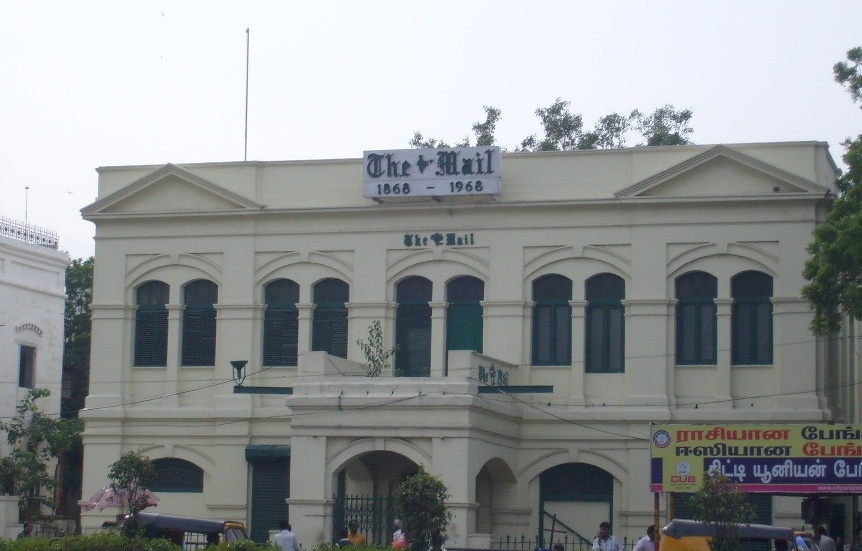
The Madras Mail newspaper founded
Charles Lawson and Henry Cornish started The Madras Mail, an English-language evening daily that was published until 1981.
1869
Napier Bridge built over the Cooum
Planned by Governor Lord Napier, a cast iron lattice bridge went up over the Cooum's mouth, joining Fort St. George to the Marina side.
Carnatic Railway Company founded
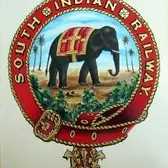
Founded in 1869, the Carnatic Railway Company combined with the Great Southern of India Railway in 1874 to create the South Indian Railway.
1870
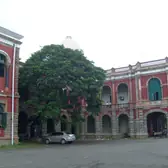
Presidency College moves to its Marina building
Presidency College, Madras moved into its new building opposite Marina Beach, on today's Kamaraj Salai.
1871
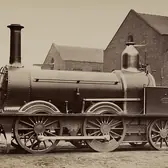
Madras and Bombay linked by rail at Raichur
At Raichur the Madras Railway met the Great Indian Peninsula Railway, opening a through rail route from Madras to Bombay.
1872
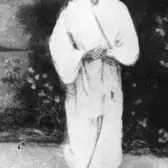
Vallalar opens the Sathya Gnana Sabhai at Vadalur
At Vadalur, Ramalinga Swamigal (Vallalar) opened the Sathya Gnana Sabhai, which taught compassion for every living being regardless of caste.
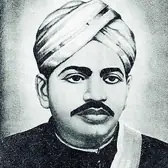
Birth of V. O. Chidambaram Pillai
V. O. Chidambaram Pillai, later the founder of the Swadeshi Steam Navigation Company, was born at Ottapidaram in Tirunelveli district.
1873
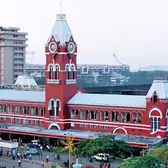
Madras Central railway station built
Designed by George Harding and later altered by Robert Chisholm, Madras Central station was put up by the Madras Railway as its terminus in the city.
1874
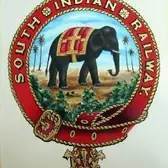
South Indian Railway Company formed
In 1874 the Great Southern of India Railway merged with the Carnatic Railway to create the South Indian Railway Company, later based at Trichinopoly.
Ramalinga Swamigal shut himself in a room and told followers not to open it; when officials broke in that May, nobody was inside.
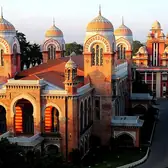
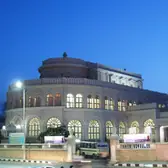
Senate House of the University of Madras completed
Built from 1874 to 1879 to a design by Robert Chisholm, the Senate House on the Marina was an early Indo-Saracenic landmark.
1875
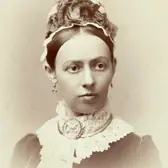
First women students admitted to Madras Medical College
Mary Scharlieb and three other women entered Madras Medical College in 1875, among the first women to study medicine in India.
Madras Observatory begins daily weather reports
The Madras Observatory started issuing daily weather reports, an early step in organised weather forecasting in south India.
Governor Lord Hobart dies in office
Lord Hobart, Governor of Madras since May 1872, died unexpectedly of typhoid at Government House, Madras.
1876
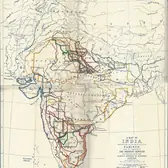
Brought on by drought, a severe famine hit the Madras Presidency and other regions of India, killing millions.
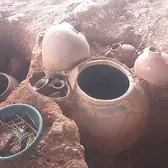
The ancient burial site of Adichanallur near Tirunelveli drew attention in 1876 and was excavated by Alexander Rea between 1899 and 1905.
Red Hills (Puzhal) reservoir built for Madras
The Puzhal reservoir at Red Hills was built to supply water to Madras, and remains one of the city's main reservoirs.
Death of Tamil scholar Meenakshi Sundaram Pillai
The poet Mahavidwan Meenakshi Sundaram Pillai, teacher of U. V. Swaminatha Iyer, died and left behind a large hoard of palm-leaf manuscripts.
1877
Buckingham Canal extended as famine relief
A section of the coastal canal linking the Adyar and Cooum rivers was dug as famine relief work, and the canal was renamed the Buckingham Canal.
T. Muthuswamy Iyer becomes first Indian judge of Madras High Court
T. Muthuswamy Iyer became the first Indian to be appointed a judge of the Madras High Court, a decision that caused controversy at the time.

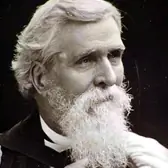
Robert Caldwell consecrated Bishop of Tirunelveli
Missionary and Dravidian scholar Robert Caldwell, based at Idaiyangudi, was consecrated as a bishop for the Tirunelveli mission.
1878
Binny's Buckingham Mill begins production in Madras
Registered in 1876, Binny and Co.'s Buckingham Mill went into operation in 1878, and the Carnatic Mills came three years later in 1881.
Founded in Madras as a weekly, The Hindu was started by the Triplicane Six, among them G. Subramania Iyer and M. Veeraraghavachariar.
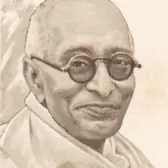
C. Rajagopalachari (Rajaji), later Chief Minister of Madras and the last Governor-General of India, was born at Thorapalli.
1879
First Tamil novel, Prathapa Mudaliar Charithram, published
Samuel Vedanayagam Pillai published Prathapa Mudaliar Charithram, regarded as the first novel in the Tamil language.
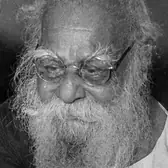
Birth of E. V. Ramasamy (Periyar)
E. V. Ramasamy, later known as Periyar, founder of the Self-Respect Movement and the Dravidar Kazhagam, was born at Erode.
Death of Shaiva reformer Arumuka Navalar
Arumuka Navalar, the Jaffna scholar who revived Shaiva Tamil learning in Sri Lanka and Tamil Nadu and printed early Tamil classics, died.
1881
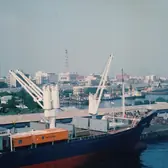
Madras Harbour begins operations
An artificial harbour at Madras began handling ships in 1881, though a cyclone the same year wrecked much of the breakwater.
American College established in Madurai
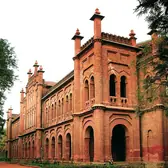
American missionaries raised their Madurai mission school to a collegiate department in 1881, creating the American College.
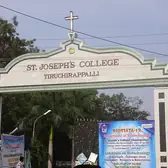
St. Joseph's College moves from Nagapattinam to Tiruchirappalli
St. Joseph's College, a Jesuit institution established at Nagapattinam in 1844, relocated to Tiruchirappalli.
Caldwell's History of Tinnevelly published
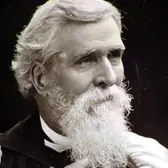
The Madras government published Bishop Robert Caldwell's history of Tirunelveli district, drawn from manuscripts, Sangam texts and his own digs.
1882
Swadesamitran Tamil newspaper launched
G. Subramania Iyer started Swadesamitran, the first Tamil newspaper owned and run by Indians, in Madras.
Theosophical Society moves headquarters to Adyar
Helena Blavatsky and Henry Steel Olcott moved the headquarters of the Theosophical Society to Adyar in Madras.
Hindu-Muslim riots broke out in Salem over a procession route past a new mosque; the trials that followed made C. Vijayaraghavachariar famous.
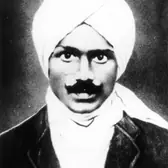
Birth of poet Subramania Bharati
Subramania Bharati, a pioneer of modern Tamil poetry and a nationalist journalist, was born at Ettayapuram.
1883
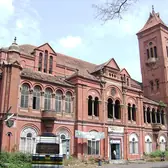
Victoria Public Hall built in Madras
The foundation stone of Victoria Public Hall, the town hall of Madras, was laid in 1883; it was named after Queen Victoria in 1888.
1884
The Madras Mahajana Sabha, an early political association of educated Indians in the Madras Presidency, was formed in 1884.
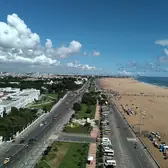
Governor Grant Duff creates the Marina promenade
Governor Mountstuart Elphinstone Grant Duff laid out a promenade along the Madras beach in 1884 and named it the Marina.
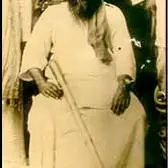
Subramania Siva, independence activist, writer and associate of V. O. Chidambaram Pillai, was born at Batlagundu.
1885
C. W. Damodaram Pillai publishes Tolkappiyam commentary
C. W. Damodaram Pillai published the Porulatikaram of the Tolkappiyam with Nachinarkiniyar's commentary, part of his revival of ancient Tamil texts.
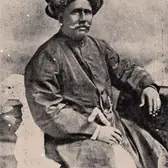
Madras delegates at the first Indian National Congress
Of the 72 delegates at the first session of the Indian National Congress in Bombay, 22 came from the Madras Presidency.
1886
G. U. Pope publishes his English Tirukkural
Missionary scholar G. U. Pope published 'The Sacred Kurral', an English translation of the Tirukkural with grammar, notes and lexicon.
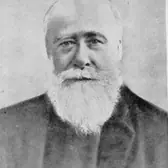
Iyothee Thass declares Dalits are not Hindus
Anti-caste activist Iyothee Thass declared that the depressed classes were not Hindus, a stand he later carried into the Dravida Mahajana Sabha and the 1891 census.
Periyar lease agreement with Travancore
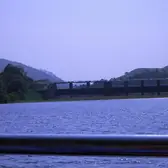
A 999-year lease for the Periyar irrigation works, signed by Travancore and the Secretary of State for India, later underpinned the Mullaperiyar dispute.
1887
U. V. Swaminatha Iyer publishes Jeevaka Chintamani
U. V. Swaminatha Iyer published Jeevaka Chintamani, the first of his editions of classical Tamil works recovered from palm-leaf manuscripts.
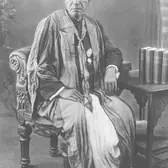
Indian National Congress holds first Madras session
The third session of the Indian National Congress met in Madras under the presidency of Badruddin Tyabji.

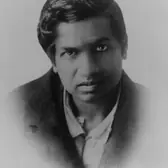
Birth of mathematician Srinivasa Ramanujan
Erode was the birthplace of Srinivasa Ramanujan, the self-taught mathematician famed for his work in number theory and infinite series.
1888
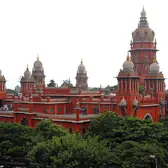
Construction of the Madras High Court building begins
Construction started in George Town, Madras, on the Indo-Saracenic High Court complex, designed by J. W. Brassington and opened in 1892.
1889
The Hindu becomes a daily newspaper
The Hindu, founded as a weekly in 1878 by the 'Triplicane Six', began publishing daily in 1889.
Victoria Technical Institute opens in Madras
Marking Queen Victoria's golden jubilee, the Victoria Technical Institute opened on Pantheon Road in Egmore.
1891
Rettamalai Srinivasan founds the Paraiyar Mahajana Sabha
Rettamalai Srinivasan set up the Paraiyar Mahajana Sabha, an early Dalit body, and launched the Tamil paper Paraiyan in 1893.

Iyothee Thass founds the Dravida Mahajana Sabha
Iyothee Thass founded the Dravida Mahajana Sabha and urged Dalits to record themselves in the census as casteless Dravidians rather than Hindus.
Suguna Vilasa Sabha theatre company founded
Pammal Sambandha Mudaliar founded the Suguna Vilasa Sabha in Madras to revive and reform Tamil drama.
1892
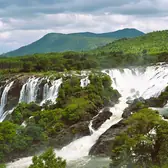
Madras and Mysore sign the 1892 Cauvery agreement
After an 1890 conference, the Madras Presidency and Mysore signed an agreement on the use of the Cauvery's waters.
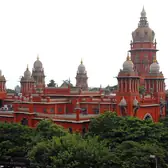
Madras High Court building inaugurated
After three decades in temporary quarters, the Madras High Court moved into its Indo-Saracenic complex, inaugurated on 12 July 1892.
1893
Rettamalai Srinivasan launches the Paraiyan newspaper
Dalit leader Rettamalai Srinivasan started the Tamil paper Paraiyan in October 1893 to speak for the Paraiyar community.
1894
U. V. Swaminatha Iyer publishes Purananuru
After years of manuscript research, U. V. Swaminatha Iyer published an edition of the Sangam anthology Purananuru with notes.
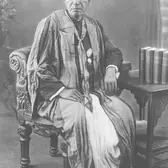
Congress session in Madras presided by Alfred Webb
In December 1894 Madras hosted the tenth Indian National Congress session, presided over by Alfred Webb, an Irish nationalist MP.

1895
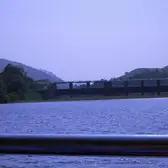
The Periyar dam, built under John Pennycuick between 1887 and 1895, began diverting water east to the Madurai region of the Madras Presidency.
Sarah Tucker College opens in Palayamkottai
In 1895 the Sarah Tucker High School at Palayamkottai became a college, the earliest women's college in South India.
Electric trams begin in Madras
The Madras Electric Tramways began service, the first electric tram system in India.
Brahmavadin journal launched in Madras
Brahmavadin, a journal of Vedanta, was launched by Alasinga Perumal and fellow Madras followers of Swami Vivekananda.
1896
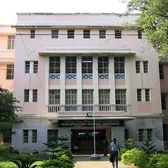
Connemara Public Library opens
The Connemara Public Library, founded in 1890 by Governor Lord Connemara, opened to the public in Madras in 1896.
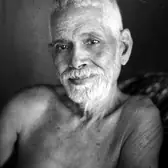
Ramana Maharshi arrives at Tiruvannamalai
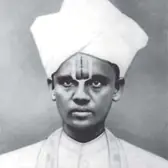
Aged sixteen, Venkataraman, afterwards known as Ramana Maharshi, left Madurai for Arunachala hill at Tiruvannamalai and remained there until his death.
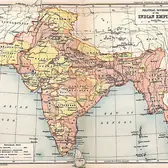
Famine of 1896-1897 reaches the Madras Presidency
A famine that began in Bundelkhand in 1896 spread across India, including parts of the Madras Presidency, where grain exports continued.
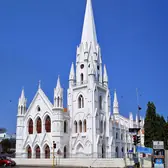
San Thome Cathedral rebuilt and consecrated
The church over the traditional tomb of St Thomas at Santhome, Madras, was rebuilt in neo-Gothic style and consecrated on 1 April 1896.
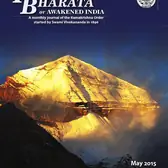
Prabuddha Bharata journal founded in Madras
Started in Madras in July 1896 on Swami Vivekananda's encouragement, Prabuddha Bharata was an English-language journal of the Ramakrishna movement.
1897
Swami Vivekananda visits Madras
Returning from the West, Swami Vivekananda stayed at the Ice House on the Madras beach from 6 to 14 February 1897.
Nadars entered the Meenakshi Sundareswarar temple at Kamudi in 1897; the courts, and in 1908 the Privy Council, ruled against their right of entry.
1898
Iyothee Thass founds the Sakya Buddhist Society
After embracing Buddhism in Ceylon, Iyothee Thass founded the Sakya Buddhist Society in Madras, launching a Tamil Buddhist revival among Dalits.
Congress session in Madras presided by Ananda Mohan Bose
The fourteenth session of the Indian National Congress met in Madras in December 1898 under Ananda Mohan Bose.

1899
In and near Sivakasi, Maravar-Nadar clashes killed 22 people and burnt hundreds of houses until troops stepped in.
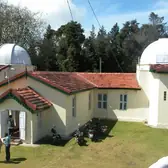
Kodaikanal Solar Observatory founded
Solar research moved from the Madras Observatory to a new observatory at Kodaikanal, where the Evershed effect was discovered in 1909.
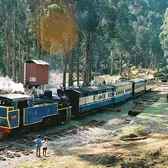
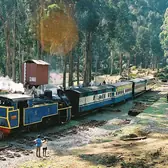
Nilgiri Mountain Railway opens to Coonoor
In June 1899 the Nilgiris rack railway between Mettupalayam and Coonoor was finished and began carrying traffic.
King Institute of Preventive Medicine established
Set up at Guindy in Madras, the King Institute of Preventive Medicine was created to fight infectious diseases.
1900
Moore Market completed in Madras
Completed in 1900 beside Madras Central, Moore Market was an Indo-Saracenic building meant to accommodate the hawkers of Broadway.
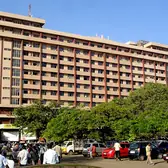
Ida Scudder opens a dispensary in Vellore
Ida Scudder, an American medical missionary, started a dispensary with one bed in Vellore, from which the Christian Medical College grew.
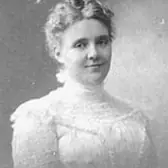
1901
Pandithurai Thevar founds the Fourth Tamil Sangam in Madurai
Pandithurai Thevar, a member of the Ramnad royal family, founded the Madurai Tamil Sangam, known as the Fourth Tamil Sangam, to promote Tamil learning.
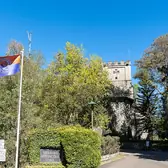
Highclerc School, later Kodaikanal International School, opens
Margaret Eddy opened Highclerc School at Kodaikanal for missionary children on 1 July 1901; it became Kodaikanal International School.
1903
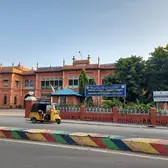
Madras Veterinary College established
Housed at first in a modest building called Doblin Hall, the Madras Veterinary College opened its doors on 1 October 1903.
Congress session in Madras presided by Lalmohan Ghosh
The nineteenth Congress session met in Madras in December 1903; president Lalmohan Ghosh called for compulsory primary education.
1904
Kumbakonam Bank, later City Union Bank, incorporated
Kumbakonam Bank Limited was incorporated on 31 October 1904 as a regional bank; it later became City Union Bank.
1905
Kasturi Ranga Iyengar acquires The Hindu
S. Kasturi Ranga Iyengar bought The Hindu in 1905; it has remained with his family since.

Swamikannu Vincent starts touring tent cinemas
Coimbatore's Swamikannu Vincent began showing films in tent cinemas in 1905 and opened the Variety Hall theatre in 1914.
1906
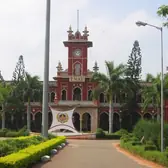
Madras Agricultural College moves to Coimbatore
The Saidapet agricultural school moved to Coimbatore in 1906, and the Agricultural College and Research Institute opened there in 1909.
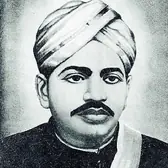
V. O. Chidambaram Pillai founds the Swadeshi Steam Navigation Company
To compete with British lines on the Tuticorin-Colombo route, V. O. Chidambaram Pillai registered an Indian-owned shipping firm.
The failure of the Madras banking firm Arbuthnot & Co caused the worst financial crisis in the city's history and fuelled support for Indian-owned banks.
1907
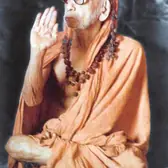
Chandrasekharendra Saraswati becomes head of the Kanchi Matha
On 13 February 1907 Swaminathan was installed as the 68th pontiff of the Kanchi Kamakoti Peetham, taking the name Chandrasekharendra Saraswati.
Pasteur Institute of Southern India opens at Coonoor
The Pasteur Institute of Southern India began work at Coonoor in April 1907 and became a major producer of anti-rabies vaccine.
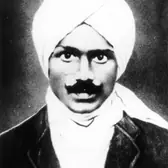
Iyothee Thass launches Oru Paisa Tamizhan
Iyothee Thass launched the Tamil weekly Oru Paisa Tamizhan, an anti-caste journal that later became The Tamilan.
Inspired by the Swadeshi movement, the Indian-owned Indian Bank opened in Madras following the failure of Arbuthnot & Co.
1908
Subramania Bharati goes into exile in Pondicherry
Facing an arrest warrant, the poet and journalist Subramania Bharati moved to French-ruled Pondicherry, where he lived for about ten years.
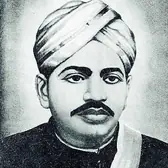
Coral Mill strike in Tuticorin
Led by V. O. Chidambaram Pillai and Subramania Siva, Coral Mill workers in Tuticorin struck against poor pay and harsh conditions.
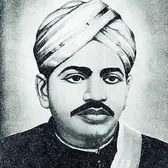
Arrest of V. O. Chidambaram Pillai and Tirunelveli unrest
The arrest of V. O. Chidambaram Pillai and Subramania Siva on sedition charges set off unrest in Tirunelveli and Tuticorin.
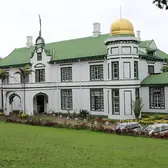
Madras Egmore station building opens
The Indo-Saracenic terminal of Egmore station, Madras terminus of the South Indian Railway, was opened on 11 June 1908.
Nilgiri Mountain Railway reaches Ooty
The rack railway from Mettupalayam, opened to Coonoor in 1899, was extended to Udhagamandalam (Ooty) in 1908.
Congress session in Madras after the Surat split
A year after the Congress split at Surat, the moderate-led Congress met in Madras in December 1908 under Rash Behari Ghosh.

1909
The Indian Councils Act 1909 introduced elections to the legislative councils, including Madras, and admitted Indians to the Madras executive council.
1910
The Nadar Mahajana Sangam was formed in 1910 through the efforts of T. Ratnasamy Nadar to work for the uplift of the Nadar community.
Lakshmi Mills founded in Coimbatore
G. Kuppuswamy Naidu founded Lakshmi Mills, one of the earliest composite textile mills of Coimbatore.
Ramanathapuram district formed
Ramanathapuram (Ramnad) district was created by combining parts of Madurai and Tirunelveli districts.
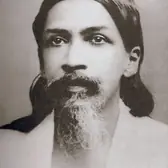
Sri Aurobindo settles in Pondicherry
Facing continued British repression, Bengali nationalist Aurobindo Ghose moved to French Pondicherry in April 1910.
1911
T. V. Sundram Iyengar starts a bus service in Madurai
T. V. Sundram Iyengar began Madurai's first bus service and founded the firm that grew into the TVS Group.
Assassination of Collector Robert Ashe
Vanchinathan shot dead Robert Ashe, Collector of Tinnevelly, at Maniyachchi railway station and then killed himself.
1912
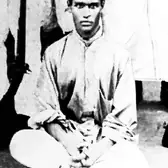
Muthulakshmi Reddy graduates from Madras Medical College
Muthulakshmi Reddy, the first woman admitted to Madras Medical College in 1907, graduated in 1912 and became one of India's first women doctors.
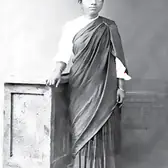
R. Venkaiah opens the Gaiety cinema in Madras
Film pioneer Raghupathi Venkaiah Naidu built the Gaiety in 1912, one of the first permanent cinema theatres in Madras.
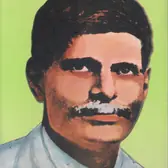
Abraham Pandithar's Tamil music conferences at Thanjavur
Abraham Pandithar set up the Sangeetha Vidhyalaya Mahajana Sangam, which held six music conferences between 1912 and 1914.
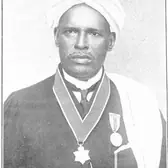
Madras Dravidian Association formed
The Madras United League, founded by C. Natesa Mudaliar in 1912, was renamed the Madras Dravidian Association, an early non-Brahmin political body.
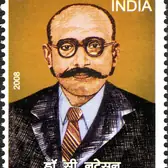
1913
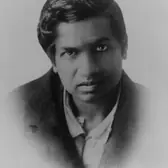
Ramanujan writes to G. H. Hardy
Srinivasa Ramanujan, a clerk at the Madras Port Trust, began corresponding with G. H. Hardy, who arranged for him to travel to Cambridge in 1914.
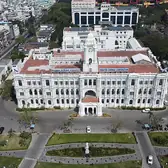
Ripon Building becomes home of the Madras Corporation
The Madras Municipal Corporation moved into the newly completed Ripon Building in 1913; Lord Minto had laid its foundation stone in 1909.
Work begins on the University of Madras Tamil Lexicon
In January 1913 the University of Madras began work on the Tamil Lexicon, the most comprehensive Tamil dictionary, published in 1924-1939.
1914
Madras College for Women (Queen Mary's College) founded
In 1914 Dorothy de la Hey opened the Madras College for Women on the Marina, the first women's college in the city, which took the name Queen Mary's in 1917.
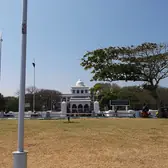
Congress session in Madras presided by Bhupendra Nath Bose
The Indian National Congress held its 1914 annual session in Madras under Bhupendra Nath Bose, months after the First World War began.
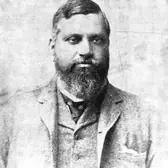
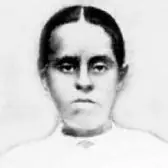
Death of the young satyagrahi Thillaiyadi Valliammai
Valliammai, a 16-year-old daughter of Tamil immigrants from Thillaiyadi, died after imprisonment in Gandhi's South African satyagraha.
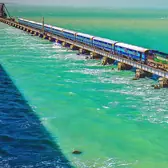
The Pamban Bridge, India's first sea bridge, opened, linking Rameswaram on Pamban Island to the mainland by rail.
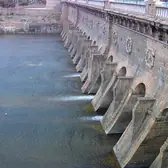
Cauvery arbitration award on the Kannambadi dam
Arbitration under the 1892 agreement let Mysore build a Kannambadi dam smaller than it had planned; an appeal by Madras led to the 1924 agreement.
German cruiser Emden shells Madras
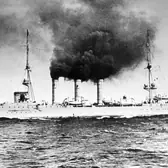
Early in the First World War, the German light cruiser SMS Emden shelled Madras, setting fire to oil tanks in the harbour area.
1915
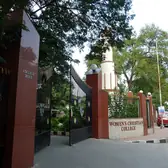
Women's Christian College founded in Madras
Twelve missionary societies from Britain, Canada and the USA jointly founded the Women's Christian College in Madras in 1915.
First Madras Presidency cricket match
The Madras Presidency Match, a yearly cricket contest between Europeans and Indians also called the Pongal match, started on the final day of 1915.