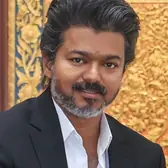
Chief Minister
89 events, 1878 to 2026; 17 marked as turning points.
1878
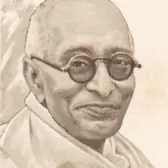
C. Rajagopalachari (Rajaji), later Chief Minister of Madras and the last Governor-General of India, was born at Thorapalli.
1920
A. Subbarayalu Reddiar becomes first Premier of Madras
A. Subbarayalu Reddiar of the Justice Party took office as the first Chief Minister (Premier) of the Madras Presidency.
1921
Raja of Panagal becomes Premier
Panaganti Ramarayaningar, the Raja of Panagal, succeeded Subbarayalu Reddiar and led two Justice Party ministries until 1926.
1923
Panagal ministry survives no-confidence motion
On the first day of the new council, a no-confidence motion against the Raja of Panagal's Justice ministry was defeated 65 to 44.
1926
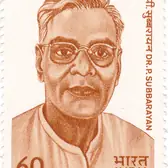
P. Subbarayan forms independent ministry
After the Swaraj Party won the 1926 election but declined office, P. Subbarayan formed a ministry of independents with nominated support.
1928
Panaganti Ramarayaningar, the Raja of Panagal and Justice Party First Minister from 1921 to 1926, died in Madras.
1930
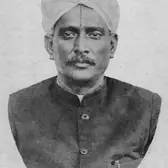
Justice Party returns to power under B. Munuswamy Naidu
The Justice Party won the 1930 election, boycotted by the Congress, and B. Munuswamy Naidu became Premier.
1932
Raja of Bobbili becomes Premier
The Raja of Bobbili, a zamindar, replaced B. Munuswamy Naidu as Premier and led the last Justice Party ministry before 1937.
1936
P. T. Rajan becomes First Minister
For a few months, while the Raja of Bobbili was on leave, Justice Party leader P. T. Rajan was First Minister of the Madras Presidency.

1937
K. V. Reddi Naidu heads interim ministry
When the Congress hesitated to take office after winning the 1937 election, the Governor installed an interim ministry under K. V. Reddi Naidu.

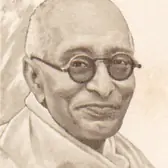
C. Rajagopalachari forms first Congress ministry
C. Rajagopalachari became Premier of Madras at the head of the first Congress government in the Presidency.
1946
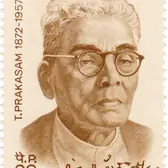
T. Prakasam becomes Premier of Madras
T. Prakasam was elected Congress legislature leader and formed a ministry, defeating the candidate backed by Rajagopalachari.
1947
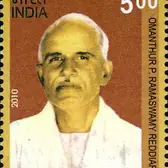
O. P. Ramaswamy Reddiyar becomes Premier
O. P. Ramaswamy Reddiyar, backed by Kamaraj, became Premier of Madras and led the province through independence.
1949
P. S. Kumaraswamy Raja becomes Premier of Madras
P. S. Kumaraswamy Raja succeeded O. P. Ramaswamy Reddiyar as Premier and later became the first Chief Minister of Madras State.

1952
First general election; Rajaji forms government
After the first general election left Congress short of a majority, C. Rajagopalachari was sworn in as Chief Minister of Madras State.
1954
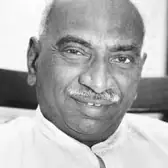
K. Kamaraj becomes Chief Minister
After Rajaji's resignation, K. Kamaraj became Chief Minister of Madras State and served for over nine years.
1957
DMK contests its first election
Won by Kamaraj's Congress, the 1957 Assembly election was the first in which the DMK took part after its founding.
1963
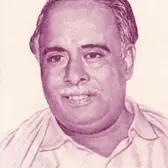
Kamaraj Plan; M. Bhaktavatsalam becomes Chief Minister
Kamaraj resigned as Chief Minister under his plan for senior leaders to work for the party, and M. Bhaktavatsalam succeeded him.
1964
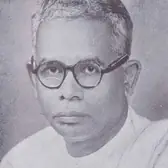
Kamaraj becomes Congress president and 'kingmaker'
As president of the Indian National Congress, K. Kamaraj guided the selection of two Prime Ministers.
1967
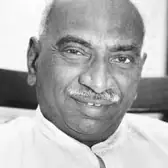
Annadurai's rupee-a-measure rice scheme
The first DMK government tried to supply rice at one rupee a measure, an election promise made during an acute rice shortage.
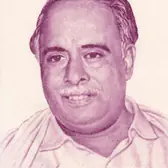
C. N. Annadurai becomes Chief Minister
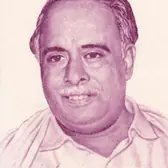
C. N. Annadurai was sworn in as the first non-Congress Chief Minister of Madras State since independence, heading a DMK government.
1969
Kannoli Thittam free eye surgeries
The Karunanidhi government provided free eye surgeries for the blind under the Kannoli Thittam during its 1969-76 tenure.
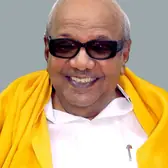
Chief Minister C. N. Annadurai died of cancer; his funeral was recorded as one of the largest ever attended.
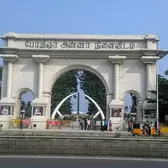
M. Karunanidhi becomes Chief Minister
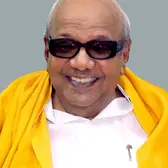
M. Karunanidhi succeeded Annadurai as Chief Minister of Tamil Nadu and later became president of the DMK.
1971
DMK wins 184 seats in the 1971 election
The DMK, allied with Indira Gandhi's Congress, won a landslide in the first Assembly election held under the name Tamil Nadu.
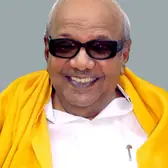
Beggar rehabilitation scheme launched
On his birthday, Chief Minister Karunanidhi launched a beggar rehabilitation scheme and collected funds for it himself.
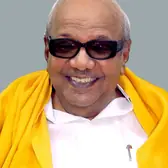
1974
Chief Ministers win right to hoist flag on Independence Day
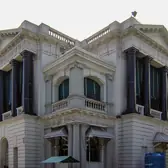
Following Karunanidhi's demand, Chief Ministers won the right to hoist the national flag on Independence Day, and he did so at Fort St. George.
1975
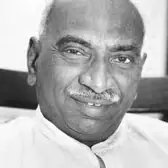
K. Kamaraj, former Chief Minister and Congress president, died in Madras and was awarded the Bharat Ratna posthumously in 1976.
1976
Kamaraj awarded the Bharat Ratna posthumously
Former Chief Minister K. Kamaraj, who died in October 1975, was posthumously awarded the Bharat Ratna.
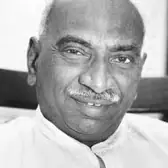
1977
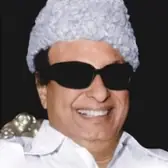
AIADMK wins assembly election, M. G. Ramachandran becomes Chief Minister
The AIADMK-led alliance won the 1977 assembly election and M. G. Ramachandran was sworn in as Chief Minister.
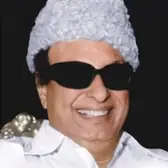
1978
Oru Vilakku one-lamp electricity scheme
Under the 'one lamp' scheme, the MGR government supplied small homes with free electricity and an electric lamp paid for by the state.
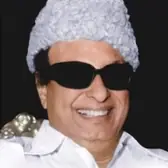
1980
AIADMK re-elected, MGR sworn in for second term
Months after the DMK and Congress swept the Lok Sabha polls, the AIADMK won the May 1980 assembly election, bringing MGR back as Chief Minister.
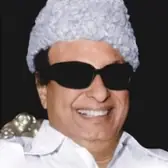
1984
MGR falls ill and is treated in the United States
Kidney failure put Chief Minister M. G. Ramachandran in hospital, and he later had a kidney transplant in New York.
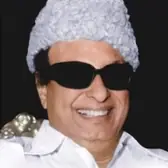
AIADMK wins 1984 election while MGR is in hospital abroad
Contesting from a hospital in the United States, MGR led the AIADMK-Congress alliance to victory in the 1984 assembly election.
1987
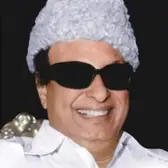
Chief Minister M. G. Ramachandran died in office in Madras; he was buried at Marina Beach next to the Anna memorial.
1988
M. G. Ramachandran awarded the Bharat Ratna posthumously
M. G. Ramachandran, the former Chief Minister who had died in December 1987, was honoured posthumously with the Bharat Ratna, India's top civilian award.
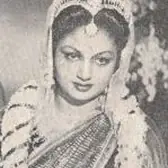
Janaki Ramachandran ministry and President's rule
V. N. Janaki became Tamil Nadu's first woman Chief Minister, but her ministry was dismissed within weeks and President's rule followed.
1989
DMK returns to power, Karunanidhi Chief Minister again
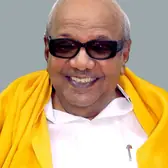
After 13 years in opposition, the DMK won the January 1989 assembly election and M. Karunanidhi became Chief Minister for the third time.
1991
Jayalalithaa becomes Chief Minister for the first time
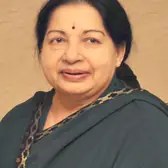
The AIADMK-Congress alliance swept the June 1991 election and J. Jayalalithaa became Chief Minister, the youngest in the state's history at the time.
1992
All-women police stations set up
The Jayalalithaa government opened police stations run entirely by women to handle complaints from women, starting in Chennai.
1993
Jayalalithaa fasts on the Marina over Cauvery water
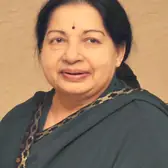
Seeking Cauvery water from Karnataka for the kuruvai crop, Chief Minister Jayalalithaa went on a fast of about 80 hours beside the MGR memorial.
1995
Wedding of Jayalalithaa's foster son Sudhakaran
More than 150,000 people watched the extravagant Madras wedding of V. N. Sudhakaran, Chief Minister Jayalalithaa's foster son, an event later drawn into corruption cases.
1996
DMK-TMC alliance wins 1996 election
The DMK-TMC alliance won 221 of 234 assembly seats and all 39 Lok Sabha seats; M. Karunanidhi became Chief Minister for the fourth time.
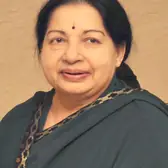
Jayalalithaa arrested in colour TV case
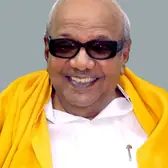
Former Chief Minister J. Jayalalithaa was arrested and remanded in judicial custody in a corruption case over the purchase of colour televisions.
2000
Jayalalithaa convicted in the TANSI land case
A trial court convicted Jayalalithaa and Sasikala over the purchase of state TANSI land by their firms in 1992, a verdict that barred her from the 2001 election.
2001
AIADMK alliance wins the 2001 Assembly election
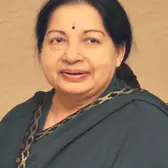
The AIADMK-led alliance defeated the DMK government and J. Jayalalithaa was sworn in as Chief Minister for the second time.
Supreme Court unseats Jayalalithaa, O. Panneerselvam becomes Chief Minister
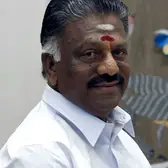
After the Supreme Court held Jayalalithaa's appointment invalid, O. Panneerselvam served as Chief Minister until she returned in March 2002.
2002
Annadhanam free meal scheme in temples
Jayalalithaa launched free daily meals for devotees in 63 temples, funded by endowments from donors; it was later expanded to hundreds of temples.
Jayalalithaa returns as Chief Minister after Andipatti by-election
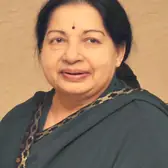
After her acquittal in the TANSI and Pleasant Stay cases, J. Jayalalithaa won the Andipatti by-election and was sworn in again as Chief Minister.
2006
The DMK government began distributing free colour television sets to families holding ration cards, a key 2006 election promise.
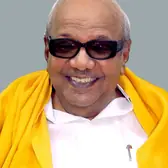
DMK forms a minority government
M. Karunanidhi became Chief Minister for the fifth time, heading a DMK government that depended on outside support from the Congress.
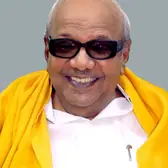
Free land distribution for the landless poor
At Tiruvallur, Karunanidhi began handing out free land to landless poor families, delivering on a DMK election pledge.
2008
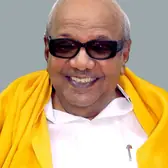
Rice at one rupee a kilogram in ration shops
The Karunanidhi government cut the price of rice in public distribution shops to one rupee a kilogram.
2009
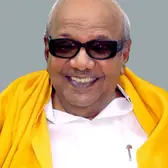
Kalaignar health insurance scheme launched
The state launched the Kalaignar Kapitu Thittam to give economically disadvantaged families free treatment in hospitals.
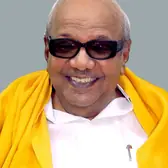
2011
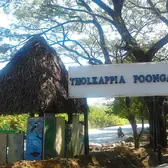
Tholkappia Poonga eco-park opens on the Adyar estuary
A park restoring the ecology of the Adyar creek in Chennai opened and was named in honour of the Tamil grammarian Tholkappiar.
AIADMK returns to power in 2011
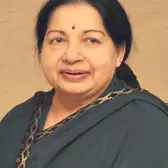
The AIADMK alliance won a large majority and J. Jayalalithaa became Chief Minister for the third time; the DMDK became the main opposition.
Free rice for ration card holders
In her first public event of the new term, Jayalalithaa launched free rice for eligible ration card holders under the universal PDS.
2012
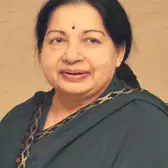
Chief Minister's Comprehensive Health Insurance Scheme
Jayalalithaa launched a state health insurance scheme for 1.34 crore families, replacing the earlier Kalaignar insurance scheme.
Pension scheme for destitute transgender persons
Jayalalithaa announced a monthly pension of Rs. 1,000 for transgender persons above 40 living in poverty.
2013
The state began selling one-litre bottles of drinking water for Rs. 10 at bus termini and on long-distance government buses.
2014
Jayalalithaa opened the first ten 'Amma' pharmacies to sell quality medicines at fair prices.
The Tamil Nadu Salt Corporation began selling low-priced iodised and fortified salt under the 'Amma' brand.
Jayalalithaa convicted in disproportionate assets case
A Bengaluru special court convicted Jayalalithaa, forcing her to resign; the Karnataka High Court acquitted her in 2015 and she returned as Chief Minister.
2015
Jayalalithaa announced low-cost comprehensive health check-ups in government hospitals and twice-weekly tests at primary health centres.
Amma Cement sold at half the market price
The state began selling low-priced 'Amma' cement at Rs. 190 a bag through Civil Supplies Corporation godowns, starting in Tiruchi.
Jayalalithaa acquitted on appeal and returns as Chief Minister
Acquitted in the assets case by the Karnataka High Court, J. Jayalalithaa took the oath as Chief Minister for a fifth time.
2016
Winning a second term in a row, the AIADMK became the first party in power in Tamil Nadu to be returned to office since 1984.
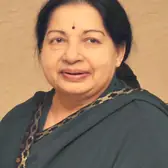
Chief Minister J. Jayalalithaa died at Apollo Hospital, Chennai, after a 75-day hospitalisation; O. Panneerselvam was sworn in the same night.
2017
Sasikala convicted; Edappadi K. Palaniswami becomes Chief Minister
After the Supreme Court restored V. K. Sasikala's conviction, AIADMK legislators chose Edappadi K. Palaniswami as Chief Minister.
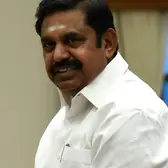
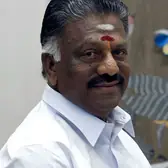
The Palaniswami and Panneerselvam factions of the AIADMK reunited, with Panneerselvam becoming Deputy Chief Minister.
2018
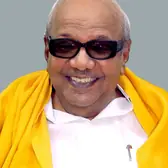
Former Chief Minister and DMK president M. Karunanidhi died in Chennai and was buried at Marina Beach after a High Court ruling.
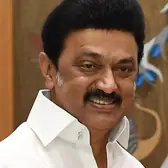
M. K. Stalin elected DMK president
M. K. Stalin was elected unopposed as president of the DMK, succeeding his father M. Karunanidhi.
2020
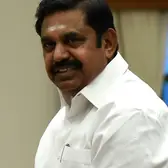
Palaniswami inaugurated 630 'Amma mini clinics' for basic health checks, part of a plan for 2,000 clinics across the state.
2021
Ungal Thoguthiyil Muthalamaichar grievance department
The new DMK government set up a department to resolve within 100 days the petitions Stalin had collected during his election campaign.
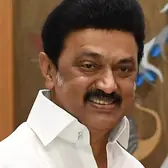
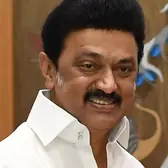
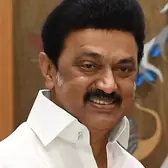
DMK wins 2021 election; M. K. Stalin becomes Chief Minister
The DMK-led alliance won the 2021 Assembly election and M. K. Stalin was sworn in as Chief Minister for the first time.
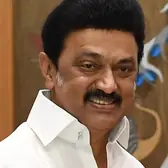
Kalaignarin Varumun Kappom health camps relaunched
Stalin revived the Varumun Kappom preventive health camps of Karunanidhi's time, with 1,250 camps a year across the state.
Innuyir Kaappom: free emergency care for accident victims
The state began paying for the first 48 hours of emergency treatment of all road accident victims in Tamil Nadu, including in private hospitals.
2023
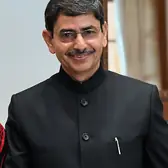
Governor R. N. Ravi walks out of the Assembly
Governor R. N. Ravi left the Assembly after it resolved to record only the government-prepared address, which he had departed from.
2024
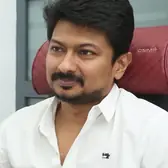
Udhayanidhi Stalin becomes Deputy Chief Minister
Sports Minister Udhayanidhi Stalin, son of M. K. Stalin, was elevated as Deputy Chief Minister of Tamil Nadu.
2025
Mudhalvar Marundhagam low-cost pharmacies
Stalin inaugurated 1,000 'Chief Minister's pharmacies' selling generic and other medicines at discounts of up to 75 percent.
Ungaludan Stalin service camps
Stalin launched 10,000 camps to deliver over 40 government services and take petitions at people's doorsteps, starting in Chidambaram.
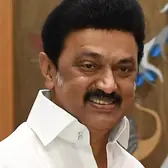
Nalam Kaakkum Stalin health camps
Health screening camps covering many medical specialties were rolled out across Tamil Nadu by Chief Minister Stalin.
Thayumanavar doorstep ration delivery
Ration items began to be delivered to the homes of over 21 lakh senior citizens above 70 and persons with disabilities.
Anbu Karangal support for orphaned children
The state began paying Rs. 2,000 a month to children who have lost their parents, to support their schooling.
2026
TVK government's cooperative crop loan waiver
Cooperative crop loans taken from May 2025 to February 2026 were waived by the Vijay government, a relief that eventually reached 14.43 lakh farmers.
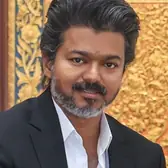
TVK wins most seats in 2026; Vijay becomes Chief Minister
In its first election the TVK became the largest party with 108 seats, and C. Joseph Vijay was sworn in as Chief Minister with the support of allies.
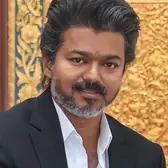
Vijay government's first orders
On taking office, Chief Minister Vijay signed orders on free household electricity, a women's safety task force and anti-narcotics police stations.
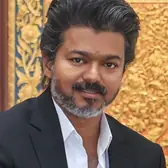
Parandur airport project dropped
Chief Minister Vijay announced in the Assembly that the proposed second Chennai airport at Parandur would be scrapped and a new site sought.
Vettri Payanam expands free bus travel for women
Free bus travel for women was widened by the Vijay government to express and deluxe services, without any income ceiling or cap on journeys.